
Sonam Wangchuk 's hunger strike and India
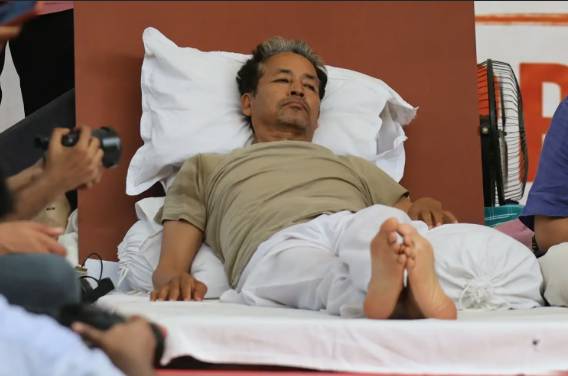
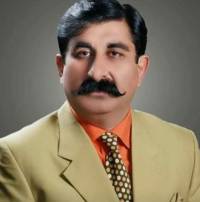
The hunger strike led by social activist of India Sonam Wangchuk represents an example of how peaceful resistance can become a powerful instrument of democratic accountability, particularly when it resonates with the aspirations of young people.
Sonam Wangchuk is widely known not as a politician but as an engineer, educator, innovator, and environmental activist. International audiences recognize him as the inspiration behind the character played by Aamir Khan in the popular film 3 Idiots. Over the years, Wangchuk has built a reputation as someone deeply committed to educational reform, sustainable development, and the welfare of Himalayan communities. Unlike many political leaders, his public image has largely remained free from partisan affiliations, giving him considerable credibility among students, educators, and civil society.
His decision to embark on a life-threatening hunger strike was viewed by many observers as an extraordinary act of conscience rather than political theater. Hunger strikes are among the most peaceful yet morally compelling forms of protest because they place the protester's own life at risk instead of threatening others. By choosing this path, Wangchuk sought to demonstrate that certain national issues—particularly those affecting young people and future generations—required urgent attention that conventional political channels had failed to provide.
The movement quickly attracted widespread support from students, academics, environmental groups, and ordinary citizens across different regions of India. Social media amplified the campaign far beyond the physical protest site, allowing millions of young Indians to follow developments in real time. Universities witnessed solidarity demonstrations, while respected public figures called upon the government to engage in dialogue rather than confrontation. The protest gradually evolved from an individual hunger strike into a broader conversation about governance, public accountability, educational priorities, and democratic participation.
One of the principal reasons the movement gained momentum was Wangchuk's personal credibility. Unlike conventional political protests that are often dismissed as partisan mobilization, his campaign was widely perceived as rooted in public interest. Many supporters believed he was speaking not for personal political gain but for the long-term future of students and younger generations. Whether or not every demand enjoyed universal agreement, the perception of sincerity significantly strengthened public sympathy.
Governments become vulnerable when peaceful protests begin attracting broad public legitimacy. Unlike violent unrest, which authorities can often isolate on security grounds, non-violent movements present governments with a moral challenge. Images of a respected activist risking his life while calling for dialogue can create substantial political pressure, especially in democratic societies where public opinion influences electoral outcomes.
The resignation of India's Education Minister became one of the defining political developments associated with the controversy. While ministerial resignations can result from multiple factors—including administrative responsibility, political calculations, or leadership decisions—they often serve as an institutional mechanism to reduce public anger and restore confidence in government. In politically sensitive situations, accepting ministerial accountability may help prevent a broader crisis from engulfing the entire administration.
Had no political responsibility been accepted, public dissatisfaction might have intensified further. Student-led demonstrations have proven capable of expanding rapidly when governments appear unresponsive. India has witnessed numerous youth movements over the decades, many of which eventually influenced national political discourse. A prolonged perception that legitimate public concerns were being ignored could have increased pressure on Narendra Modi's government through sustained protests, parliamentary criticism, judicial scrutiny, and growing public debate. Whether such pressure would ultimately have threatened the government's parliamentary stability would have depended upon several political variables, including coalition dynamics, opposition unity, and public sentiment.
Leaders associated with student mobilization or youth organizations decided to return and lead demonstrations reflected another important dimension of democratic politics. Student movements often seek recognizable leadership during periods of national mobilization. Charismatic organizers can transform scattered protests into coordinated campaigns capable of attracting national attention. At the same time, responsible leadership carries the obligation to ensure that demonstrations remain peaceful, constitutional, and focused on constructive dialogue rather than confrontation. Sustainable democratic reform is generally achieved through disciplined civic engagement instead of violence.
The episode also highlights the growing political influence of India's youth. With one of the world's youngest populations, India increasingly finds itself responding to citizens who are digitally connected, politically aware, and willing to participate in public affairs. Educational policy, employment opportunities, environmental protection, technological innovation, and institutional transparency have become central concerns for this generation. Governments that successfully engage with these aspirations may strengthen democratic legitimacy, while those perceived as indifferent may encounter growing political resistance.
From Pakistan's perspective, developments inside India naturally attract close attention because of the two countries' strategic relationship and regional significance. India's domestic political debates should primarily be understood within India's own constitutional and democratic framework. Peaceful protests, ministerial accountability, and public policy disputes are normal features of democratic governance in many countries. Similar civic movements have occurred across South Asia, including Pakistan, Bangladesh, Nepal, and Sri Lanka, each shaped by its own unique political context.
Whether such developments "threaten" Pakistan's government is a different question altogether. Directly, there is little evidence that a student-centered protest in India automatically creates a comparable political challenge in Pakistan. Every country's political environment is shaped by its own institutions, economic conditions, constitutional arrangements, and public priorities. Indirectly, however, peaceful democratic movements across the region remind all governments that citizens increasingly expect transparency, responsiveness, and meaningful dialogue. In that broader sense, the episode serves as a regional lesson rather than an immediate political threat.
Sonam Wangchuk's hunger strike demonstrates that moral authority can sometimes carry greater political weight than institutional power. When an individual with public credibility willingly risks personal well-being for causes believed to affect future generations, governments cannot easily dismiss the resulting public debate. The broader significance of this episode extends beyond one protest or one ministerial resignation. It underscores the enduring relevance of non-violent democratic action in South Asia, where peaceful civic engagement continues to influence public policy. For democratic governments everywhere, the central lesson remains clear: listening to citizens—especially young citizens—before discontent reaches a national crisis is not a sign of weakness but a hallmark of responsible governance.