
Ex-RAW chief rules out war with Pakistan
Terms Pahalgam attack as clear failure of Indian security forces and intelligence agencies
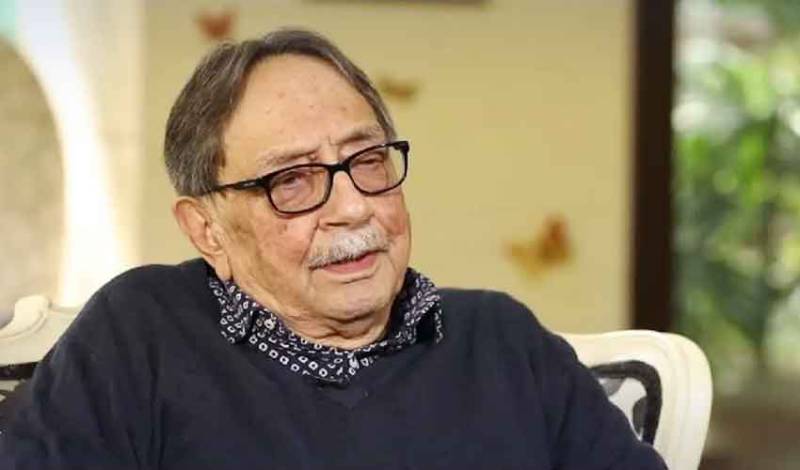

Former chief of India's premier intelligence agency, the Research and Analysis Wing (RAW), Amarjit Singh Dulat, has described the Pahalgam attack as a clear failure of Indian security forces and intelligence agencies but categorically ruled out the possibility of a full-scale war with Pakistan.
Speaking in an interview with BBC Hindi, Dulat urged caution and advocated for continued dialogue between the two nuclear-armed neighbours, asserting that "war is the last and worst option."
While acknowledging that limited responses like a Balakot-style strike could be considered, he stressed that diplomacy and back-channel communications must prevail. “Talks never end. Someone, somewhere is always in conversation. If not directly, countries like Saudi Arabia, Iran, or the UAE may facilitate back-channel diplomacy,” he said.
Dulat's remarks come amid rising tensions following the Pahalgam incident, which claimed the lives of 26 tourists. Indian Prime Minister Narendra Modi reacted with fury, authorising the armed forces to act with full freedom and promising unprecedented retribution. However, Dulat advised restraint and warned against nuclear escalation.
Meanwhile, Pakistani leaders, including Prime Minister Shehbaz Sharif, army chief General Asim Munir, and military spokesperson Lt Gen Ahmed Sharif Chaudhry, denied involvement, called for an international investigation, and warned of a "befitting response" to any Indian aggression. China has also backed Pakistan’s demand for an impartial inquiry, further complicating the diplomatic picture.
Dulat emphasised the strategic necessity of winning the trust of Kashmiris and admitted to operational gaps.
“There was no security in the area—it was clearly a failure of security agencies. In Kashmir, intelligence can only come from Kashmiris. Keeping them on your side is crucial,” he said.
He also cautioned against blaming Kashmiri civilians and condemned the rise in anti-Kashmiri violence in India, calling such rhetoric dangerous.
“Kashmir is not a Hindu-Muslim issue. That narrative is dangerous and must be rejected,” he warned.
Commenting on the murky nature of responsibility for the Pahalgam attack, Dulat noted that while a lesser-known militant group, The Resistance Front, initially claimed the attack, it later retracted the statement. Indian authorities have not formally identified any group, but media outlets have overwhelmingly pointed fingers at Pakistan.
Dulat suggested that presenting verifiable evidence would strengthen India's international position. “Yes, it would help if such proof is shared internationally,” he said.
The fallout from the attack has already escalated beyond rhetoric. India has suspended parts of the Indus Waters Treaty, cancelled visas, and expelled Pakistani diplomats.
Pakistan has responded in kind, calling the incident a “false flag operation” and taking its own countermeasures.
Dulat defended India’s diplomatic moves, saying they were appropriate under the present circumstances. However, he maintained that real resolution lies in continued dialogue, not confrontation.