
No foreign assistance sought during conflict with India: CJCSC
General Mirza says there is relative calm on the borders now
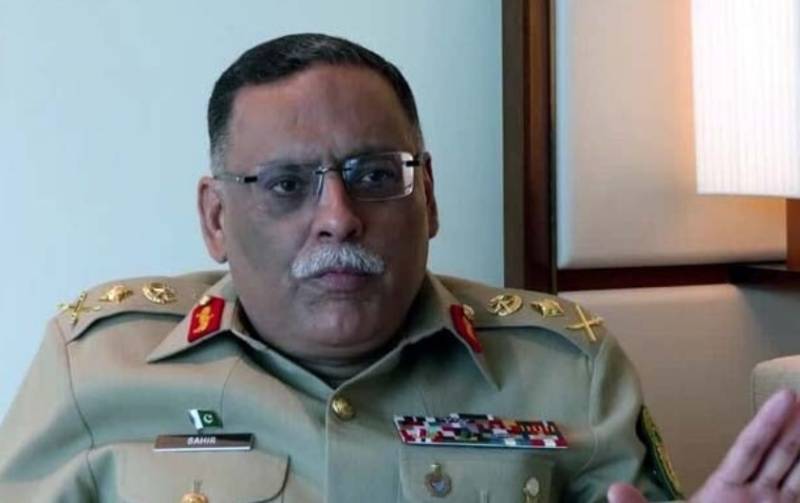

Chairman Joint Chiefs of Staff Committee (CJCSC) General Sahir Shamshad Mirza has said that Pakistan military relied solely on its internal capabilities during the recent 96-hour conflict with India, asserting that no external help was sought or received.
In an interview with BBC, General Mirza dismissed reports suggesting foreign assistance, including satellite intelligence, was provided by allies such as China. “The equipment we used was either developed domestically or acquired beforehand. But in real-time, it was Pakistan’s own capability that came into play,” he added.
General Mirza underscored that the 96-hour engagement with India was managed independently, stating, “We fought the entire conflict with our own resources. No help came from anywhere.”
His remarks provide rare official insight into the brief but intense military standoff between the two nuclear-armed neighbours. Though he did not specify the exact date or nature of the conflict, he noted that unlike previous confrontations limited to border skirmishes, the recent tensions impacted urban centres more than frontier regions.
He acknowledged the gravity of the situation, suggesting that future engagements may no longer be confined to contested zones like Kashmir. “There is a relative calm on the borders now, but tension in the cities has increased. In the future, conflict will not remain restricted to specific areas,” he warned.
Commenting on the broader state of Pakistan-India relations, General Mirza said there is currently no “effective and systematic” mechanism to resolve disputes between the two nations. “We rely solely on the DGMO (Director General Military Operations) hotline for emergency communication,” he said, adding such arrangements are insufficient in times of high-intensity crises.
The CJCSC also cautioned against the rising extremism in the region, stating that when one is “dealing with an extremist mindset,” the window for international intervention narrows considerably. “This time the United States and a few others did step in, but even that window has become very limited,” he elaborated.