
Why one wearable made me ditch my smart ring forever — and it's not what you'd expect

Smart rings may be one of the hottest trends in wearable technology, but one tech reviewer says a much cheaper alternative has completely changed the way they track their health—and they have no plans to go back.
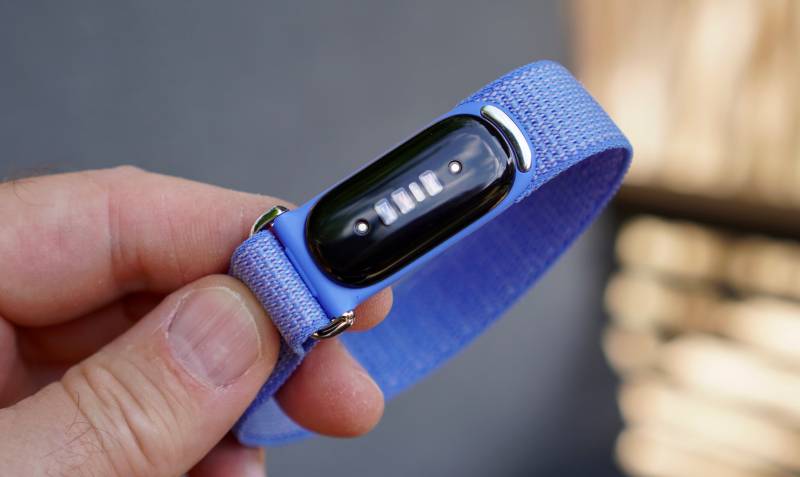
The reviewer revealed they have replaced their smart ring with the Fitbit Air, a $100 screen-free fitness tracker worn as an armband, describing it as a more practical, versatile and affordable option than premium smart rings currently on the market.
Although the Fitbit Air lacks a display and offers fewer advanced sensors than most smart rings, its flexible design was highlighted as one of its biggest strengths. Unlike smart rings, which must be purchased in a fixed finger size, the Fitbit Air's adjustable strap can be worn on the wrist, upper arm or even the ankle, making it suitable for a wider range of users and activities.
The reviewer also noted that users can customize the device with different straps, attach a traditional watch to it, or even create custom accessories using 3D printing—something impossible with conventional smart rings.
Price was another major factor behind the switch. While flagship smart rings such as the Oura Ring 5 and Samsung Galaxy Ring typically cost around $400, the Fitbit Air is available for approximately $100, making it a significantly more affordable choice for people seeking basic fitness tracking.
Although premium smart rings offer advanced features such as body temperature monitoring and illness detection, the reviewer argued that many users may not need those extras and could benefit more from a simpler, lower-cost device.
Another drawback highlighted was resale value. Because smart rings are manufactured in specific sizes, selling or passing one on to another person can be difficult unless the new owner has nearly identical finger measurements. In contrast, the adjustable Fitbit Air can easily be reused by someone else.
The reviewer also raised concerns about battery safety. Like many wearable devices, smart rings use lithium-ion batteries, which can degrade over time. While battery failures are rare, the reviewer said the idea of a malfunctioning battery inside a ring worn on a finger made them uncomfortable, especially if the ring became difficult to remove.
After weighing the pros and cons, the reviewer concluded that the Fitbit Air delivers everything they originally wanted from a smart ring—comfortable all-day wear, discreet fitness tracking and greater flexibility—without the high price tag or concerns associated with a ring-based design.
For them, the switch has been permanent, with the Fitbit Air becoming their preferred wearable for everyday fitness tracking.