
Textile industry on the brink, APTMA warns Senate committee
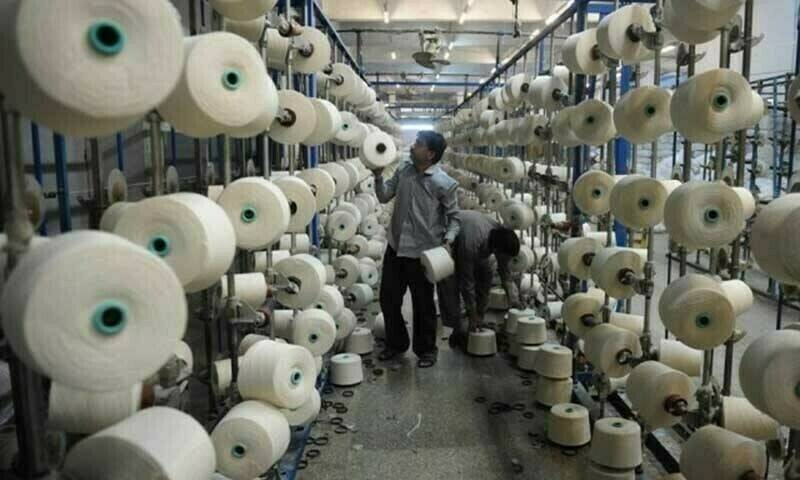

Pakistan’s textile sector is teetering on the edge of collapse, warned All Pakistan Textile Mills Association (APTMA) Chairman Kamran Arshad during a meeting of the Senate Standing Committee on Finance, chaired by Senator Saleem Mandviwala.
Briefing the committee, Arshad delivered a grim assessment of the state of the industry, stating that textile exports have failed to grow for the past two years and are projected to dip below $18 billion this year.
“The Export Facilitation Scheme (EFS) is strangling the industry,” he said, urging the Federal Board of Revenue (FBR) to scrap the EF scheme altogether.
Arshad revealed that despite 11 months of lobbying, the FBR has shown little responsiveness. He added that the issue had also been escalated to the International Monetary Fund (IMF). Although the Finance Minister had announced a revival of EF in the federal budget, the scheme continues to raise alarm within the industry.
“Under EFS, local cotton is taxed at 18%, while imported cotton is duty-free—a policy that has created a massive imbalance,” Arshad explained. The scheme has also become marred by fraud, with 800 FIRs registered, he claimed.
Highlighting further grievances, Arshad noted that 120 spinning mills and 800 cotton ginning factories have already shut down. He also pointed to the Ministry of Commerce’s inability to secure guarantees for increasing American cotton imports, calling it a blow to the already fragile supply chain.
The APTMA chief proposed several immediate reforms, including: Adding yarn and fabric to the negative import list; Fixing electricity rates at 9 cents per unit; Reducing advance tax from 2.5% to 1%; Reviewing the 29% normal tax and recent 2.5% gas price hike.
He also sounded the alarm on external trade challenges: India has banned imports from Pakistan, and shipping companies are refusing export orders, he said.
However, he remained cautiously optimistic, suggesting that tariff adjustments with China could bring some relief.
The session ended with a strong sense of urgency as committee members acknowledged the severity of the crisis but stopped short of announcing immediate corrective measures.