
Basant: A festival of flying hopes
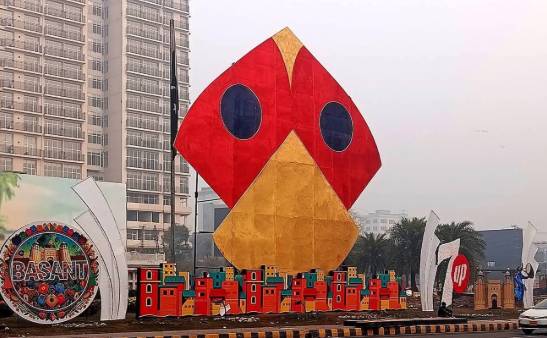

Basant primarily means spring, symbolizing renewal, new beginnings and vibrant life. The word originates from Sanskrit and Hindi and it also refers to a popular Punjabi kite-flying festival. The colour yellow, representing new life, is strongly associated with Basant.
In the past, when winter ended and the weather became pleasant, people used to come out of their homes to shake off the dullness and lifelessness that winter had cast over their mood and eyes. Their joy and excitement were most beautifully expressed through kite flying.
There was a time when Basant was not just a festival but a part of our lives. It was the celebration of spring’s arrival and an important part of our culture. This festival carried many colours — entertainment, celebration, religious devotion, artistic expression, cultural traditions and even Sufi spirit. Men wore yellow turbans and women wrapped yellow shawls. The yellow colour of mustard fields seemed to announce that spring had finally arrived. Traditional foods were prepared, relatives gathered together and folk songs filled the air.
The plain sky looked decorated with colours. Nature seemed to stretch and awaken, as if a new life had begun. The earthy land became vibrant with the yellow and green of mustard fields. Spring flowers and the chirping of birds brought joyful messages of the new season. Humans, too, became part of this colourful celebration of nature.
We never realized when this enchanting festival began to turn into something frightening. When did Basant — once a messenger of peace, happiness, and spring — become dangerous? When did the traditional cotton string get replaced with chemical-coated string? When did the joyful cries of Basant change into the sound of firing, turning a pleasant festival into a risky one? Because of these tragic incidents, the festival was banned by the authorities. However, the Chief Minister of Punjab, Ms. Maryam Nawaz Sharif, has now lifted the ban and introduced strict laws and Standard Operating Procedures (SOPs) under the Punjab Kite Flying Control Act to make Basant safe again.
According to these SOPs, manufacturing, selling, or using metallic or chemical string is a serious crime. Only approved cotton string will be allowed for kite flying. Large kites that may become uncontrollable in strong winds are banned. Motorcyclists are required to install protective antennas or iron rods on their vehicles for safety.
As we all know, Lahore is not just a city of bricks and mortar — it is a living, breathing city full of colour, traditions, and the generous spirit of its people. As the Punjabi saying goes, “One who hasn’t seen Lahore hasn’t been born.”
History tells us that in the old city of Lahore, white paper kites were flown under bright searchlights. This magical scene gained international recognition and became known as White Basant. During the Sikh rule, Maharaja Ranjit Singh celebrated Basant with great grandeur, making it a symbol of harmony among cultures. In the Mughal era, Basant was celebrated under the idea of Sulh-i-kul (universal peace), making it a lively and inclusive cultural event.
Now, with strict SOPs in place, Lahore has once again been coloured in the vibrant hues of Basant. The three-day Basant festival began at midnight on 5th February, inaugurated by Punjab’s Information Minister Azma Bukhari by flying a kite. The sky of Lahore is filled with kites instead of stars. Rooftops are alive with celebrations, and people have come out into the streets to watch the kites flying high.
Women are also playing a beautiful role in the celebrations. Mehndi-decorated hands, colourful dresses and traditional foods are welcoming the festival. Many women are flying kites themselves, while others celebrate by preparing delicious dishes.
The streets and alleys of Lahore are filled with kites. Despite high prices, kites and strings have become scarce across the city. Chief Minister Maryam Nawaz shared a video of Basant celebrations on social media and visited Liberty Chowk to review preparations, advising motorcyclists to install safety rods. Citizens appreciated these efforts. Special bus services are also running on different routes across the city during Basant to facilitate people.
It is heartening to see that educational institutions, parents and social organizations taught not only about the history of Basant but also about safe ways to celebrate it. This collective awareness shows that society is learning to balance joy with responsibility. Such change is necessary to keep cultural traditions alive.
I would like to conclude this write-up with a prayer:
May this festival pass peacefully so that we can continue to enjoy it in the years to come.