
Breath-detecting face mask accurately identifies kidney disease, study finds
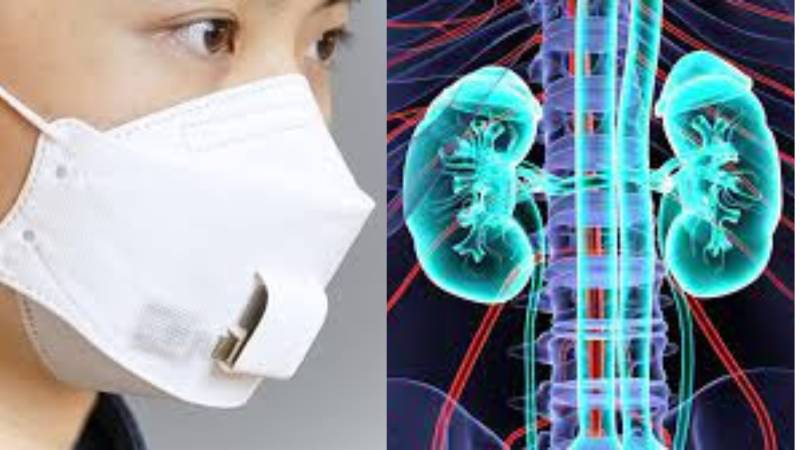

In a breakthrough that could revolutionize early disease detection, researchers have developed a modified surgical face mask that can identify chronic kidney disease (CKD) simply by analyzing a person's breath.
The findings, published in the journal ACS Sensors, reveal that the high-tech mask uses a breath sensor to detect elevated levels of ammonia and other gases — biomarkers that are commonly exhaled by individuals with kidney dysfunction.
Developed by researchers at the University of Rome Tor Vergata, the sensor employs silver electrodes coated with specialized polymers to detect these disease-related compounds in real time. In tests conducted on 100 individuals, half of whom had diagnosed CKD, the mask was able to correctly identify the disease in 84% of cases and accurately rule it out in 88%.
“This technology could significantly improve how we monitor and manage kidney disease by enabling early detection and tracking disease progression non-invasively,” said Dr. Annalisa Noce, a lead investigator and nephrologist involved in the study.
CKD affects as many as 35 million Americans, with many more likely undiagnosed, according to background notes provided in the study. The kidneys’ ability to filter waste declines with the disease, resulting in the build-up of substances like ammonia, which can be measured through exhaled breath.
Beyond early detection, researchers say the sensor may even help estimate the stage of kidney disease, potentially allowing for more personalised treatment plans.
The innovation comes as face masks, once symbols of pandemic-era health precautions, are reimagined not just for infection prevention, but now as diagnostic tools in the fight against chronic illnesses.