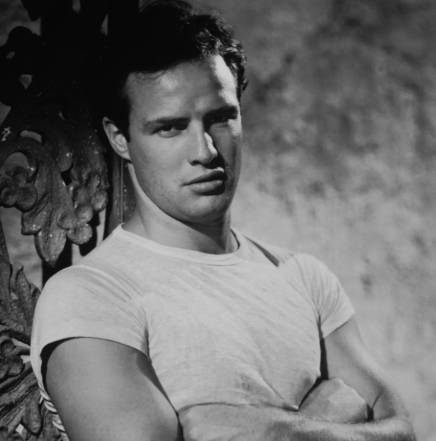
Six legendary actors whose performances will be remembered for generations

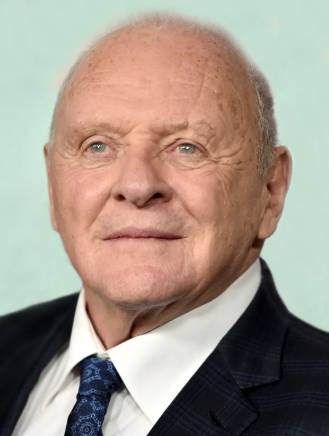
On the sixth number of this list is Anthony Hopkins who delivered one of the most iconic performances in film history as Hannibal Lector in The Silence of the Lambs in 1991, a role that earned him the Academy award for best actor. Despite appearing on screen for roughly sixteen minutes, that performance alone would have secured his place in cinema history.
But Hopkins continued to build a filmography that spans decades and genres from the remains of the day to Amistad to his Academy Award Winning role in The Father in 2021 which he won at age 83.
In a conversation with fellow actors for Variety’s Actors on Actors series, Hopkins spoke about his belief that great performances outlive the people who give them, his body of work supports that belief. With the Silence of the Lambs still regularly appearing on lists of greatest films ever made more than three decades after its release.
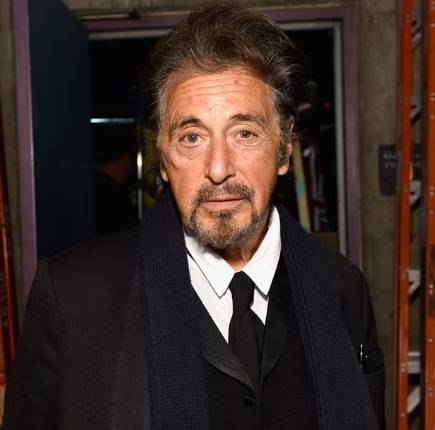
The fifth place is effortlessly secured by Al Pacino who defined an era of American film making through performances that have become embedded in popular culture worldwide.
His portrayal of Michael Corleone in The Godfather and The Godfather part then created one of the most referenced characters in cinema history and his role in Scarface in 1983 generated a cultural footprint that extends far beyond film into music, fashion and visual art.
He won the Academy Award for best actor for Scent of a Woman in 1993 and continued to deliver acclaimed work through Heat, The Irishman and beyond.
In his memoir, Sonny Boy, published in 2024, Pacino reflected on how certain roles take on a life of their own and become bigger than the actor who played them.
His filmography contains multiple entries that have already proven they will endure across generations.
Yes, you guessed it right, next is Tom Hanks. Why? Because he built one of the most consistently acclaimed filmographies in modern cinema with performances that have defined how entire generations understand certain historical moments and human experiences.
His back-to-back Academy Award wins for Philadelphia in 1994 and Forrest Gump in 1995 established him as one of the defining actors of the decade and films like Saving Private Ryan Castaway and the Green Mile have continued to reach new audiences decades after their release.
In a New York Times profile, Hanks spoke about his belief that the best films connect with audiences because they reflect something honest about how people experience the world.
His work has been consistently included in cultural preservation conversations with Forrest Gump selected for the National Film Registry by the Library of Congress.
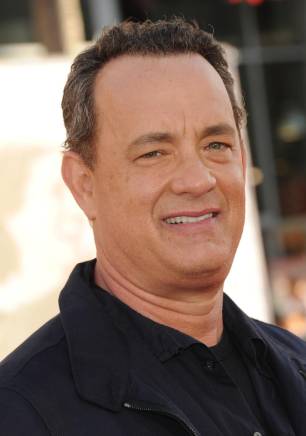
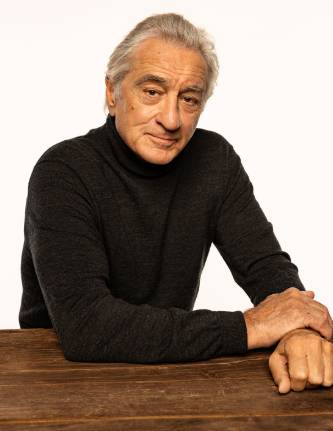
Robert De Niro secures the third spot who built a filmography across the 1970s, 1980s and 1990s that is frequently cited in discussions of the greatest body of work in American Cinema.
His collaborations with Martin Scorsese alone, including Taxi Driver, Raging Bull, Goodfellas and Casino represent a partnership that reshaped how audiences and filmmakers think about character driven storytelling.
He won Academy Awards for The Godfather Part Things two in 1975 and Raging Bull in 1981 and continued to deliver acclaimed work through The Irishman in 2019.
In press for the Irishman De Niro spoke about how revisiting themes of loyalty, violence and regret with Scorsese after decades gave the work a weight that only time could provide.
His films remain staples in film, school curricula and cultural discussions worldwide.
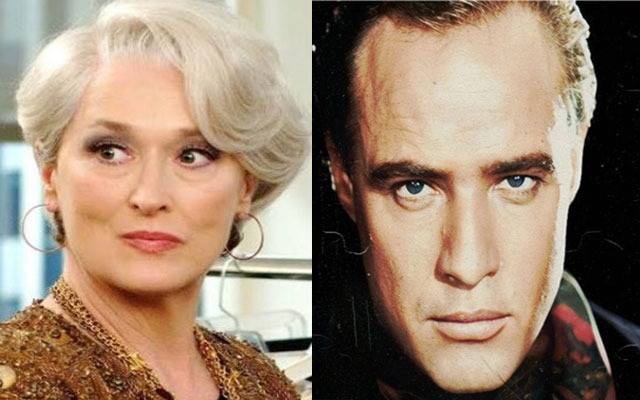
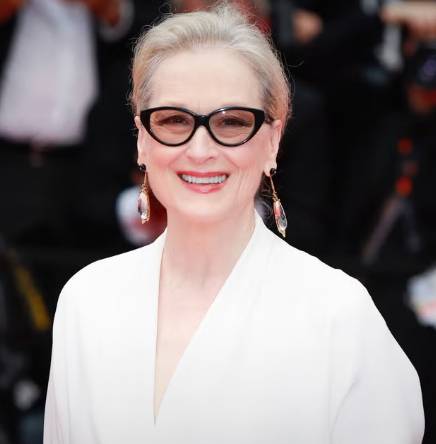
Meryl Streep secures the second place because the actress holds record for the most Academy Award nominations of any actor in history, a distinction that reflects the breadth and consistency of her work across five decades from Sophie’s Choice in 1982 to Kramer versus Kramer in 1979 to The Devil Wears Prada in 2006 to the Iron Lady in 2011.
Streep has demonstrated a range that few performers in any era have matched, her ability to transform completely for each role has been studied and referenced by actors and filmmakers in documented interviews and retrospectives.
In a conversation for the American Film Institute, Streep spoke about her belief that acting is about disappearing into someone else’s experience rather than projecting your own.
Her filmography has already proven its durability with multiple performances continuing to reach new audiences through streaming platform memes and cultural references decades after their original release.
Finally, the first place is secured by Marlon Brando who fundamentally changed how acting was understood and practised in American cinema.
His performances in A Streetcar Named Desire in 1951 and On the Waterfront in 1954 introduced a naturalistic intensity that reshaped the craft for every generation that followed.
His portrayal of Vito Corleone in The Godfather in 1972 remains one of the most studied and referenced performances in film history and his work in Apocalypse Now in 1979 pushed the boundaries of what audiences expected from a leading man.
Brando’s influence has been documented extensively in film history texts and acknowledged publicly by actors including Di Niro, Pacino and Hopkins all of whom have cited him as foundational to their own approach.
His films are not simply rewatched but actively taught in institutions around the world ensuring that his work is studied and seen for generations to come.