
iPhone 18 Pro could cost Apple nearly 40% more to build
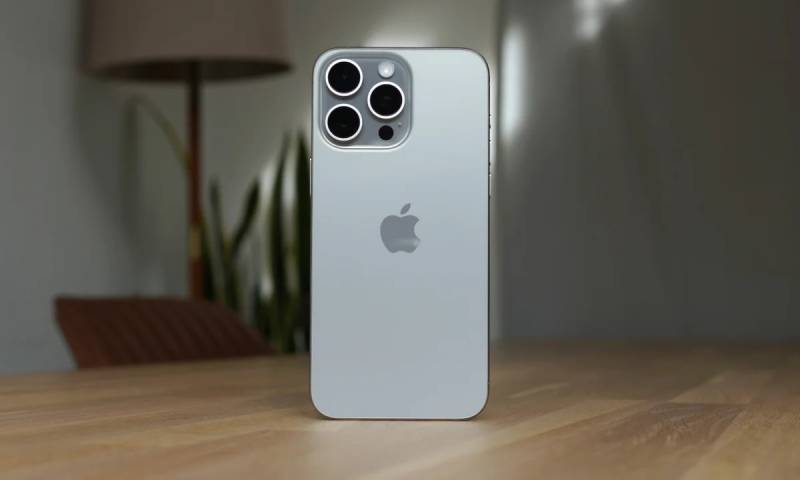

Apple could face a significant increase in the cost of manufacturing its upcoming iPhone 18 Pro, with soaring memory prices reportedly pushing the device’s bill of materials nearly 40% higher than that of its predecessor.
According to a new analysis from research firm TrendForce, the estimated bill of materials for the 256GB iPhone 18 Pro is around 38% higher than the equivalent iPhone 17 Pro. The increase could put additional pressure on Apple to raise retail prices or accept lower profit margins.
Memory costs surge
Memory is reportedly the biggest factor behind the rising production costs.
TrendForce estimates that memory accounted for around 10% of the total component cost of the 256GB iPhone Pro a year ago. By the third quarter of 2026, that share is expected to reach approximately 34%.
The research firm expects memory’s contribution to the overall component cost to exceed 40% in the first half of 2027 if current pricing trends continue.
As memory becomes more expensive, other major components such as the display panel and application processor are expected to represent much smaller portions of the overall bill of materials, falling into single-digit percentages.
Apple could absorb some of the increase
Despite the sharp rise in manufacturing costs, Apple may not pass the entire increase directly to consumers.
TrendForce expects the company to potentially follow an approach similar to its recent MacBook launches, absorbing part of the additional cost through lower gross margins in an effort to keep price increases manageable and maintain shipment volumes.
Another possibility is that Apple could increase the prices of older iPhone models when the new generation launches. This would allow the company to distribute some of the additional cost across its broader product lineup rather than placing the entire burden on the newest models.
Memory prices have climbed dramatically
TrendForce says memory prices have increased by five to seven times since the beginning of 2025, creating challenges for smartphone manufacturers across the industry.
The impact could be particularly severe for Android manufacturers competing in the entry-level and mid-range segments. According to the research firm, these companies may be forced to implement larger price increases than Apple or discontinue certain models altogether.
Apple has already responded to rising component costs elsewhere in its product portfolio. In June, the company increased prices across several product categories, including the Mac, iPad, Apple TV, HomePod and Vision Pro.
The iPhone lineup avoided a price increase at the time, but the latest component-cost estimates suggest the smartphone range may not remain insulated from the memory crunch indefinitely.
iPhone 18 lineup expected next month
Apple is expected to unveil the iPhone 18 Pro, iPhone 18 Pro Max and its first foldable iPhone, reportedly known as the iPhone Ultra, next month.
If memory prices continue to rise, consumers could therefore face higher prices for Apple’s next-generation flagship smartphones.
For now, Apple has not confirmed the production costs or retail pricing of the upcoming iPhone 18 models.