
Hope is the real rebel here!
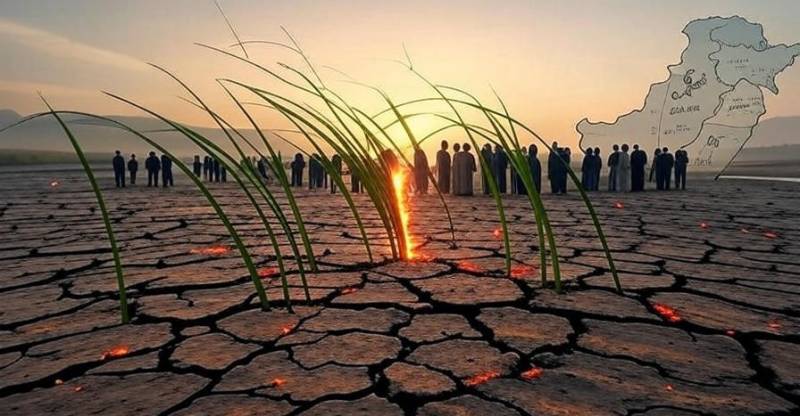

It begins the same way every time in this country. A leader roars, the state retaliates, and the people, bruised, insulted, and weary, quietly get on with the business of surviving. They haven’t surrendered, they’ve simply seen this storm before. They know when to bend like reeds and when to root themselves like stone. Chaos is not their element; endurance is. If this land has a talent, it is outlasting what was meant to undo it.
This land has always hummed with unfinished stories. The earth here remembers empires, exiles, and betrayals. It has seen cities burn, flags torn down, and tyrants crowned. Yet somehow, in the ashes of every defeat, something ancient stirs — a stubborn, wordless defiance. Pakistan bleeds, but it does not break.
It has endured tyrants, betrayals, wars, and engineered silences. And somehow, miraculously, it hopes. Hope here is not naïve. It is defiant. More dangerous than any protest march, it grows in the cracks of broken republics, in the lull between crackdowns, in quiet homes where parents pass down impossible dreams to children who dare not speak them aloud.
Imran Khan, from his 6x8-foot cell, has now called for what he paints as the final uprising. A nationwide movement peaking on August 5th — the second anniversary of his imprisonment. His words burn: ‘no further negotiations,’ ‘a buried constitution,’ a call for a nation to rise against ‘puppets imposed upon it.’ The tone is absolute. It’s the cry of a man caged but uncowed. It is a martyr’s poetry, written in defiance.
And yet, beyond those prison walls, the streets wear an unsettling stillness. Not apathy, not fear, not even consent. It’s the quiet of a country that has learned, over blood-soaked decades, that not every cry demands an echo. This isn’t a revolution simmering. It’s a storm watching itself in the mirror. Pakistanis carry grief like a second skin, too fluent in loss to wager lives on chants. They’ve seen this theatre before, played all its tragic acts. Many are furious, most betrayed — not merely by a stolen vote or a vengeful regime, but by a whole system auctioned off to dynasties and dealmakers. Yet the streets remain.
Why? Because this land’s people have made an art of remembering. They do not riot, they endure. They etch the names of the disappeared into memory, keep the scent of burned homes alive in old shawls, and walk daily past the gutted shells of their institutions. Their silence isn’t apathy. It’s a shield, a ritual of survival honed over generations, because the ones who outlast tyranny are those who refuse to become its stage props.
And here lies the mistake the powerful, whether in palaces or prison cells, make again and again. They confuse quiet for cowardice and resilience for submission. But this land’s soil knows better. Tyrants are not felled by fiery slogans here, but by seasons. Every despot that swaggered has, in time, vanished into irrelevance. The state senses it. The people wager on it.
The weight of a tyrant’s crown is never felt by his heirs. It is always carried by the people he leaves behind.
We saw it after Partition, when millions, having lost everything, built again with bare hands and no blueprint. And before them, others too — kingdoms lost to Mongols, cities pillaged by Persians. Yet from the ruins, always a stubborn ember remained. History is filled with louder men — Robespierre’s guillotines, Lenin’s marches, Che’s jungle wars — revolutions that promised salvation, delivered ruin. But Pakistan has never been their stage. Every attempt to script one — from Bhutto’s rallies to the 2014 collaborative sit-in of Imran Khan and Tahir-ul-Qadri — faltered not because the cause was hollow, but because the audience was different.
And what many conveniently forget: Pakistan was not born by mobs tearing through streets. It wasn’t a revolution. It was an improbable negotiation, a relentless chipping away at imperial will, in parliaments, courtrooms, and drawing rooms. Jinnah was no mob leader. He was a tactician. He bent empires with law, reason, and the sheer audacity of refusing to abandon his mandate. He led people not with slogans, but with strategy. And when compromise was wisdom, he took it. Not to surrender, to survive and win the next ground.
It is seductive to call for ‘do or die.’ It flatters egos, headlines, and the ghosts of foreign revolutions. But this soil has its own tempo. We have done ‘do or die’ before. And we died. And when the dust settled, it wasn’t the brave who inherited power; it was the opportunists. The graves stayed silent, the tyrants rebranded.
Imran Khan’s defiance in captivity is undeniable. The indignities he has endured — denied books, family, and physicians — are grotesque in a republic that dares to call itself democratic. And yet, history warns: revolutions led from prisons often burn the people who light them. His fury is earned. But a final confrontation without calculation is not strength, it is recklessness. The nation he seeks to lead is not tuned to the theatre of martyrdom. It is a country of people who have buried too many, carried too much, and learned that the real power is not in dying for a cause, but in quietly refusing to let it die.
Compromise is not surrender; it is strategy. It is what Jinnah did when he gave ground to claim the whole territory later. It is what the shrewd have always done — from Saladin’s truces to Mandela’s patient negotiations — knowing some victories ripen only with time. It is what the Pakistani psyche instinctively respects — not cowardice, but endurance. The middle class may stay home, and the students may hesitate. It isn’t fear. It is wisdom. Because they know not every war is won in the streets. Some are won by outlasting.
Not every fire deserves to be fought. Some are meant to be outlived.
What remains is the memory of heat, the stubborn glow beneath the ruin. It’s this quiet ember that shapes the dawn to come.
So yes, rise. But not as cannon fodder. Rise like those who endured Bhutto’s betrayals and Zia’s gallows. Rise remembering how Ayub’s promises turned brittle, how Musharraf’s swagger vanished into exile. Rise in wit, in memory, in an unshaken defiance that survives in homes, in whispered jokes, in the resilience of those who refused to be props in someone else’s theatre. Rise by outlasting, not outshouting. By building what no tyrant can burn.
Because here, it’s not the flame that outlasts, it’s the ember in bone memory that no despot can extinguish.
This land has always known that hope isn’t a storm, it’s the ember buried in bone, carried from one long night to the next dawn. It waits. It remembers. It outlives.
And Imran Khan must recognise this: his nation has watched his resilience, admired his transformation, and tethered its frustrated, restless hope to him. Now is the time not to die, but to lead. He must resist the seduction of martyrdom, the easy allure of becoming a symbol rather than a strategist. He owes it not to detractors, not to loyalists, but to the soul of Pakistan — a country built by negotiations, not revolutions. A nation where Jinnah won ground not by riots, but by refusing to leave the table. Where survival has always belonged to those who knew when to yield, when to wait, and when to strike.
The real battle is no longer for headlines or hashtags. It is for sovereignty, for mandate, for dignity, for the future. And it will not be won in solitary cells or by offering bodies for pity. It will be claimed by those who outlast, outwit, and refuse to be casualties in someone else’s script.
A land survives not by the men it buries, but by the courage it quietly preserves.
Because here, it’s never the fire that writes history. It’s the ember that refuses to die.
Not every storm is meant to be outrun. Some are meant to be outlived, so the next dawn belongs to those who stayed.