
Akhtar Mengal’s Resignation: A Political Protest Against Islamabad or a Deeper Crisis of Trust in Balochistan?
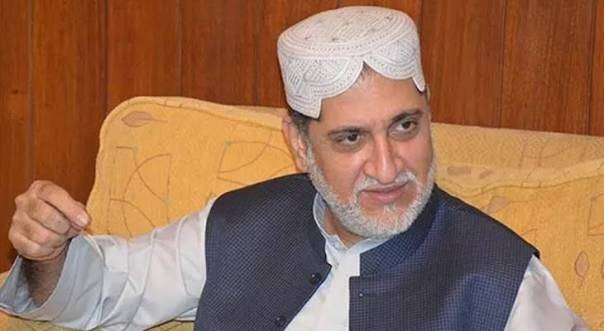

The resignation of Akhtar Mengal, chief of the Balochistan National Party (BNP-Mengal), from the National Assembly and his decision to return the salary and other financial benefits received as a parliamentarian represent more than an individual political gesture. It reflects a widening gap between Islamabad and a significant section of Balochistan’s political leadership, where grievances over governance, representation, security policies, and resource distribution have remained unresolved for decades.
Mengal’s move has once again brought the Balochistan question to the centre of Pakistan’s political debate. By returning the money he received from the government in the form of salary and parliamentary perks, he attempted to send a symbolic message: that he does not want to benefit from a system that, in his view, has failed to address the fundamental issues faced by the people of Balochistan.
For Mengal, this decision was not merely about resigning from a parliamentary seat. It was an expression of disappointment with what he describes as the failure of democratic institutions to deliver meaningful change in the province. His criticism has consistently focused on issues such as missing persons, political marginalisation, lack of provincial autonomy, security operations, and what he considers the inadequate participation of Balochistan’s people in decisions affecting their future.
The resignation came after growing tensions between Mengal and the federal government. Although BNP-Mengal has historically participated in parliamentary politics and engaged with different governments, the party has repeatedly complained that promises made by Islamabad have not translated into practical reforms. According to Mengal’s political narrative, successive governments have sought Balochistan’s support during political crises but have failed to address the province’s longstanding grievances once power is secured.
One of the major factors behind his decision is the issue of trust between Balochistan’s nationalist political leadership and the federal government. Over the years, many Baloch leaders have argued that political commitments made by Islamabad have often remained limited to announcements and agreements, without effective implementation. This perception has created frustration among groups that believe parliamentary participation alone has not produced tangible results.
The issue of missing persons has remained one of the most sensitive and controversial matters in Balochistan. Mengal and his party have repeatedly raised concerns about enforced disappearances and demanded accountability and transparency. The federal government and security institutions have maintained that efforts are being made within the framework of the law, while also emphasising the security challenges faced by the province due to militancy and external threats. However, the continued political debate over this issue has contributed to mistrust between nationalist leaders and the state.
Another important factor behind Mengal’s distancing from the federal government is the security situation in Balochistan. The province has witnessed years of violence involving militant groups, separatist organisations, and terrorist networks. While the state argues that strong security measures are necessary to protect national interests and public safety, some nationalist politicians argue that security-focused approaches must be combined with political engagement, economic development, and greater public participation.
Balochistan’s economic concerns have also played a central role in Mengal’s political position. Despite being rich in natural resources, including minerals, gas, and strategic locations linked to projects such as the China-Pakistan Economic Corridor (CPEC), many communities in the province continue to face poverty, unemployment, and limited access to basic services. Critics of federal policies argue that the local population has not benefited sufficiently from the province’s resources.
By returning his parliamentary benefits, Mengal sought to portray his resignation as an act of political principle rather than a routine departure from parliament. Similar symbolic actions in politics are often designed to demonstrate solidarity with supporters and highlight dissatisfaction with the existing system. His message appears aimed at showing that he does not want to be part of an arrangement where he believes parliamentary membership has failed to produce meaningful outcomes.
However, the political consequences of his decision could be significant. His resignation may further weaken cooperation between Baloch nationalist parties and the federal government at a time when Islamabad needs broader political consensus to address security and development challenges in Balochistan. A widening political divide could make it more difficult to build trust between the province and the center.
On the other hand, Mengal’s move may strengthen his political position among those who believe that Balochistan’s grievances have not received adequate attention. By taking a strong stand, he may consolidate support among sections of society that view his resignation as a courageous rejection of traditional politics.
However, there are also risks. Leaving parliamentary politics reduces his direct access to legislative forums where policies can be debated and influenced. Critics may argue that political engagement from within institutions can sometimes achieve more than withdrawal from them. In a democratic system, participation provides opportunities to negotiate, influence legislation, and build alliances.
The federal government now faces a difficult challenge. Ignoring Mengal’s concerns could deepen alienation among sections of Balochistan’s population, while engaging seriously with legitimate political grievances could help rebuild confidence. The state must balance national security requirements with political inclusion, economic justice, and respect for democratic dialogue. Mengal’s resignation should therefore not be viewed only as the decision of one politician.
It is a reflection of deeper structural challenges in Pakistan’s federal system. Balochistan’s issues cannot be addressed solely through development packages or security measures. They require sustained political dialogue, institutional reforms, transparent governance, and a genuine effort to ensure that the people of the province feel they have ownership in Pakistan’s political and economic future.
Akhtar Mengal’s departure from parliament represents a warning signal. It highlights the continuing challenge of creating a relationship between Islamabad and Balochistan based on trust rather than temporary political arrangements. Whether this moment becomes another chapter of confrontation or an opportunity for reconciliation will depend on how the federal government, political parties, and state institutions respond.
The future of Pakistan’s national unity depends not only on territorial integrity but also on the ability of the federation to make every province feel respected, represented, and included. Balochistan remains a test of Pakistan’s democratic maturity — and Mengal’s resignation has once again placed that test before the nation.