
New currency notes to have enhanced security features, cabinet told
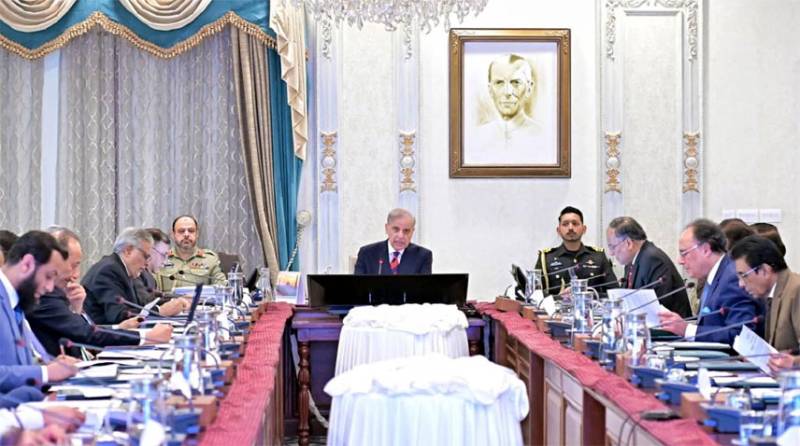

The federal cabinet, chaired by Prime Minister Shehbaz Sharif, met on Wednesday at the Prime Minister House in Islamabad, where it reviewed a range of important policy matters, including the redesign of Pakistan’s currency notes, the Private Hajj Policy, and key economic and energy decisions.
During the meeting, the Ministry of Finance briefed the cabinet on the new design of banknotes to be issued by the State Bank of Pakistan. The cabinet was informed that the redesigned currency is being developed in line with modern international standards, with the assistance of global experts. Newly designed banknotes of Rs100, Rs500, Rs1,000 and Rs5,000 will be introduced, featuring enhanced security measures, including an improved security thread.
According to the briefing, the new currency designs reflect Pakistan’s regional and geographical diversity and highlight historical monuments. The designs will also incorporate important social themes such as women’s participation in national development and environmental change. To further examine the proposals, the Federal Cabinet constituted a cabinet committee to deliberate on the new banknote designs.
The cabinet also directed that the draft Private Hajj Policy 2027–2030, submitted by the Ministry of Religious Affairs and Interfaith Harmony, be referred to the Hajj Policy Committee. The policy, which covers the registration and verification of private Hajj operator companies through a third party, will be reviewed in light of suggestions and opinions expressed by cabinet members.
In addition, the Federal Cabinet ratified the decisions taken by the Cabinet Committee on Energy in its meeting held on December 24, 2025. The cabinet also approved the decisions made by the Economic Coordination Committee (ECC) of the Federal Cabinet during its meeting on December 23, 2025.
The meeting underscored the government’s focus on economic management, improved governance, and modernization initiatives aimed at strengthening public trust and service delivery.