
UHS launches nutrition reforms to strengthen preventive healthcare in Punjab
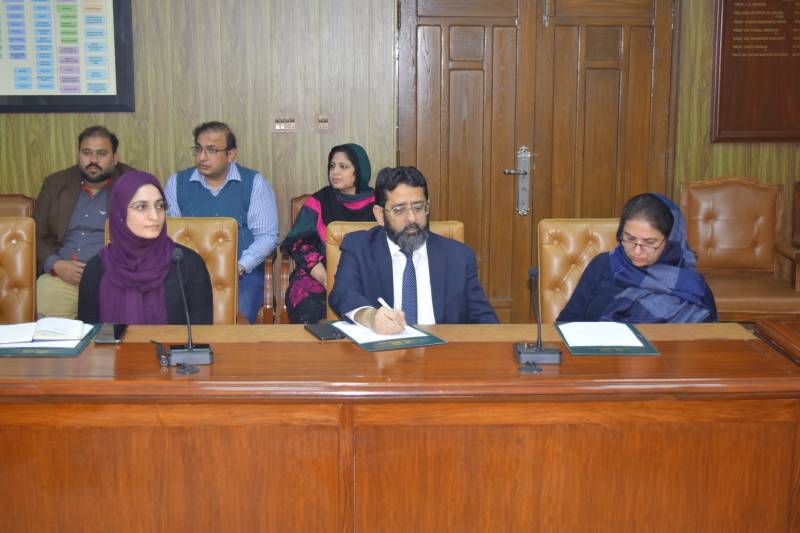

The University of Health Sciences (UHS) has unveiled comprehensive nutrition-focused reforms across its health sciences curricula, marking a major institutional shift toward preventive healthcare in Punjab, 24NewsHD TV reported.
The decision was taken at a high-level meeting chaired by Vice Chancellor Prof Ahsan Waheed Rathore on Monday.
The meeting was attended by Pro-Vice Chancellor Prof Nadia Naseem, Prof Zohra Khanum, Principal of Services Institute of Medical Sciences, and Prof Junaid Rashid, Pro-VC of the University of Child Health Sciences, along with faculty members from public health, nutrition and family medicine departments.
Officials said the initiative aims to embed structured nutrition competencies into undergraduate and postgraduate medical education, ensuring that future clinicians are equipped to assess nutritional status, detect deficiencies early and incorporate dietary counselling into routine patient care.
Developed in collaboration with UNICEF Pakistan, the reforms extend beyond classroom teaching.
All UHS-affiliated colleges have been directed to establish Nutrition Societies to promote awareness among students, while a Clinical Nutrition Faculty Council will oversee academic review, curriculum refinement and research integration.
Officials said the revised curricula position nutrition as a core clinical competency rather than a supplementary subject.
The reforms are designed to strengthen doctors’ capacity to integrate preventive strategies into everyday practice, shifting the healthcare model from reactive treatment to early intervention.
The meeting also reviewed allied initiatives, including a certification course in family medicine for general practitioners to enhance maternal and child health services at the primary care level.
Additionally, a dedicated geriatric clinic is being established at the Services Institute of Medical Sciences to assess nutrition-related decline among older adults and promote healthy ageing through evidence-based care.
Prof Rathore said the initiative responds to critical gaps in national health data.
Existing surveys provide useful direction but lack detailed data on elderly nutrition and limited information on adolescent girls during critical growth years.
Academic institutions must prepare doctors who can address these realities even before new datasets emerge,” he said.
Participants observed that Pakistan’s last comprehensive national nutrition survey dates back to 2018, underscoring the urgency of updated research and enhanced clinical capacity.
Prof Rashid emphasised that household dietary habits are significantly shaping child health outcomes.
He cautioned that frequent consumption of processed and refined foods is increasingly associated with obesity, metabolic disorders and earlier puberty, urging families to adopt healthier food choices.
The participants concluded that the combined measures reflect a broader transformation in medical education, placing nutrition at the centre of healthcare delivery across the life course — from early childhood to old age — and reinforcing the province’s preventive health agenda.