
2025: A strategic year for Pakistan
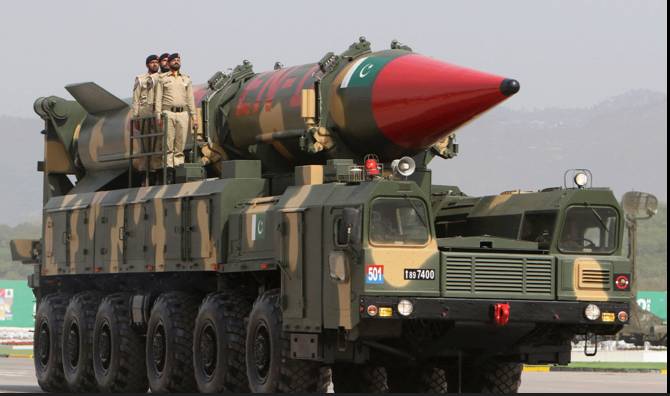

The sun has risen on our beloved homeland for 79 years and 2025, like previous years, has faded into the mists of the past.
However, this time, 2025 holds significant strategic importance for Pakistan. Despite facing numerous challenges on both domestic and foreign fronts, Pakistan has bravely confronted all serious situations with courage and determination, refreshing its standing in the eyes of the world. The past year has not been disappointing; there’s been no despair or thirst for hope. Undoubtedly, my country has emerged as a major power on the global stage.
Deals worth billions of dollars with Libya, a joint defence agreement with Saudi Arabia and successful efforts towards economic stability are evidence that Pakistan is steadily and consistently moving towards its true destination—one that it has sought for the past 78 years. Notably, Chief of Defence Forces, Field Marshal Syed Asim Munir, received a warm welcome at the White House, with Pak-US relations reaching new heights as Washington recognized Pakistan as a cornerstone of regional stability. This historic acknowledgment showcases Pakistan’s diplomatic successes.
Under its presidency in the United Nations Security Council, Pakistan linked its foreign policy goals with economic objectives. The friendship with China grew deeper, advancements were made in the second phase of CPEC and partnerships expanded in several strategic sectors involving the global community including the US, Saudi Arabia, the UAE, Turkey, Iran, Azerbaijan, Malaysia, Indonesia and Bangladesh, creating new opportunities for the country.
At the year’s end, President Sheikh Mohammed bin Zayed Al Nahyan of the UAE embarked on a one-day official visit to Pakistan, reinforcing strong mutual respect and long-standing ties. Diplomacy has gone beyond announcements, with Pakistan emerging as a powerful voice within the Muslim Ummah, negotiating a ceasefire in Gaza and participating in resolving the Palestinian issue. The US designation of groups like BLA and the Majid Brigade in Balochistan as global terrorists marks a positive shift. Amid the Iran-Israel conflict, Pakistan fulfilled its duty toward Muslim solidarity, with gratitude echoed from Iran.
Above all, what has turned the tide of history in 2025 is the move to forget past grievances with Bangladesh, marked by the resounding slogans of “Long Live Pakistan” echoing through the streets of Dhaka, sending a message to the adversary that the two-nation theory remains alive today. Indeed, Pakistan has crossed several historic milestones in 2025. It has achieved not just economic recovery but also restored its national identity. The state has reaped significant success on defence, military as well as both external and internal fronts.
In the battle for truth (Marka-e-Haq), the Pakistan Army emerged victorious, showcasing its strength, discipline and professionalism. Pakistan’s superiority in the air has been established, with the falcons of the Army proving our skies are safe and invincible. India, boasting one of the world’s largest armies and long hiding its military might with grandiose claims, faced a devastating blow from Pakistan’s brave soldiers. From Washington to the United Nations, Pakistan’s strategic importance was officially acknowledged. May 2025 marks a new chapter in its military history. In response to India’s Operation Sindoor, our forces delivered a crippling counter, ‘Bunyān al-Marsūs,’ that will haunt India.
According to the Pakistan Institute for Conflict and Security Studies’ annual report, 2025 saw 1,063 terrorist attacks, a 17% increase from 2024, including 26 suicide bombings. Fatalities among terrorists rose by 122%, while arrests increased by 83%. Despite intensified terrorism, under Chief of Defence Forces Field Marshal Syed Asim Munir, the Pakistan Army implemented the National Action Plan, improved intelligence coordination and enhanced border management. Security forces executed effective counteractions, made sacrifices and dismantled numerous networks, sending a large number of terrorists to their doom.
The UN report on Indian aggression emerged as a monumental success for Pakistan, providing international recognition and endorsement of its stance. Amid evolving global circumstances, Pakistan has established itself as a major regional player under Field Marshal Syed Asim Munir, acknowledged by international media. Analysis from The Telegraph and Carolina Political Review reflects that Pakistan has regained focus on its defensive capabilities regionally and globally, adopting a balanced, proactive and effective military and diplomatic strategy with far-reaching impacts.
International publications also compared Pakistan and India, asserting that India’s claims of military superiority were all bluster. Despite limited resources, Pakistan strengthened its position through smart defence and effective deterrence alongside a balanced foreign policy. The Diplomat referred to Pakistan as a focal point of global attention. Another journal indicated that Washington’s India First era ended in 2025, favouring Pakistan as US policy shifts were driven by the Indo-Pak war, where Pakistan’s military performance stunned global observers. According to global media, Exim Bank approved $1.25 billion in financing for mining and minerals at Reko Diq in Balochistan, reflecting Pakistan’s rekindled relationship with the US toward “sustainable interests.” Chief of Defence Forces Asim Munir’s leadership is widely lauded, demonstrating continuity in defence policy, professional expertise and reforms aligned with contemporary demands. Regional peace, trade relations and effective representation in global forums have strengthened Pakistan’s image.
In contrast, 2025 was a year of infamy and failure for India. The Hindu highlighted weak diplomacy and the inadequacy of symbolic gestures, personal ties and narrative-building as substitutes for genuine economic, military and diplomatic power. Relations with the US were highly challenging and India’s military actions after the Pulwama attack failed to gain international support. Rising oppression of minorities, especially Muslims and attacks on Christians during Christmas exposed the facade of secularism. Marking the centenary of the violent Rashtriya Swayamsevak Sangh (RSS), the campaign for “Akhand Bharat” intensified, revealing the true source of power behind the Bharatiya Janata Party—the genuine bad face of Hindutva the world must recognize.
—The writer is Chairman, Tehrik Jawanan Pakistan.
(abdullahhamidgul1@gmail.com)