
How to weigh yourself in the right way
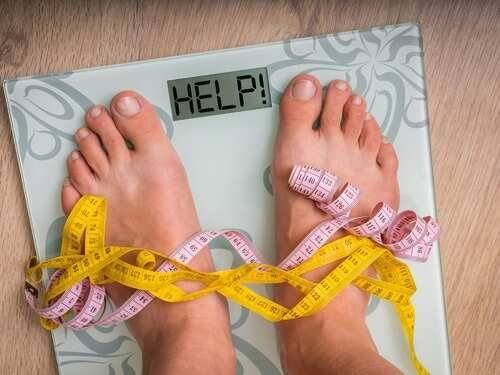

If you’ve ever stepped on the bathroom scale in the morning and thought, "Wait, how did I gain 2 kilos overnight?"—you’re not alone, and you’re definitely not broken. Those daily weight jumps aren’t signs of failure—they’re just… human biology doing its thing.
Chill out, it’s just a fluctuation
Daily weight swings of 0.5kg to 2kg (1 to 5 pounds) are completely normal. That wild jump you saw this morning? Probably not fat. It’s more likely due to water retention, food still digesting, a tough workout, or just plain ol’ digestion doing its job.
Here’s what’s really messing with your scale:
Water weight: the sneaky culprit
Rough night with pizza and fries? High sodium meals or carb-heavy binges cause your body to hold onto water, tipping the scale upward. Hormonal shifts—especially during menstruation—can also cause short-term fluid retention. But good news: It’s temporary.
Food is still in transit
A late-night meal? That’s sitting in your gut and showing up on the scale the next morning. It’s not fat—it’s just digestion. Relax.
Exercise: gains, not losses
Sweating it out at the gym might make the scale dip (hello, dehydration), but that’s not real fat loss. In fact, muscle repair can cause water retention, and building muscle means your weight could go up even as your body gets leaner.
Bowel movements
Constipation or the timing of your bathroom breaks can cause noticeable differences. Hydration and fiber are your allies here.
The right way to use the scale
Experts recommend a more consistent and realistic approach to tracking weight. Here are several best practices:
Same time, same place:
Weigh yourself in the morning, after using the bathroom, before eating, and wearing minimal clothes. Consistency is key.
Ditch the carpet:
Put your scale on a flat, hard surface (like tile or wood). Carpet throws off readings. Seriously, just don’t.
Track trends, not days:
Daily weigh-ins can drive you nuts. Focus on long-term trends over weeks and months.
Use other measures:
For individuals engaging in regular exercise, weight alone may not reflect progress. Measurements such as waist circumference, clothing fit, or body photos can provide a fuller picture of body composition changes.
Keep things in perspective:
Health is not defined solely by weight. Energy levels, strength, and overall well-being are just as important, if not more so, than the number on the scale.
So, next time you see an unexpected number on the scale, don’t spiral. Take a breath, zoom out, and trust the process. Your body’s not betraying you—it’s just living its best complex, fluctuating life.