
Remembering Queen of Melody Noor Jehan
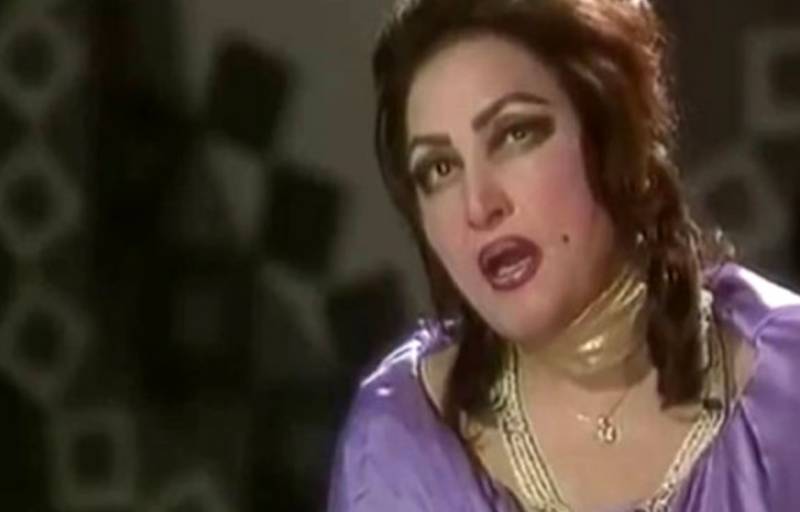

December 23 marks the 25th death anniversary of Noor Jehan, one of the most iconic voices South Asia has ever produced.
Even decades after her passing, her voice continues to resonate across generations, reaffirming her status as the Queen of Melody.
Born as Allah Wasai in Kasur, Punjab, in 1926, Noor Jehan grew up in a musical household that nurtured her extraordinary talent from an early age.
She began performing as a child and quickly found her way into films, becoming a familiar face on the silver screen even before the partition of the subcontinent.
Her early success laid the foundation for a career that would later redefine the region’s music and film industries.
Following the creation of Pakistan in 1947, Noor Jehan migrated to Lahore, where her artistic journey reached its peak.

She seamlessly transitioned from a leading actress to a powerhouse playback singer, dominating cinema soundtracks for decades.
With a career spanning more than sixty years, she recorded thousands of songs in multiple languages, including Urdu, Punjabi, and Hindi, leaving behind a vast musical legacy that remains unmatched.
Noor Jehan’s versatility set her apart. Whether it was deeply emotional ghazals, romantic melodies, folk tunes, or patriotic anthems, she infused every song with remarkable depth and feeling.

Her voice had the rare ability to convey both tenderness and strength, making her music timeless and universally relatable.
Her influence was perhaps most profoundly felt during the 1965 war, when her patriotic songs became anthems of courage and unity.
Tracks such as Ae Watan ke Sajeelay Jawano and Rang Laayega Shaheedon ka Lahu played a crucial role in boosting the morale of soldiers and civilians alike, earning her immense respect as the voice of the nation during a defining moment in history.
Noor Jehan also broke barriers behind the camera, making history as Pakistan’s first female film director.Her immense contributions were acknowledged through numerous national and industry awards, including Sitara-e-Imtiaz, Pride of Performance, President’s Award, and several lifetime achievement honours.

Years after she was laid to rest in Karachi in 2000, her influence has never faded. Her music continues to captivate audiences, bridging generations and inspiring countless contemporary artists.