
Pakistan's new energy policy aims to attract $5 billion in investment
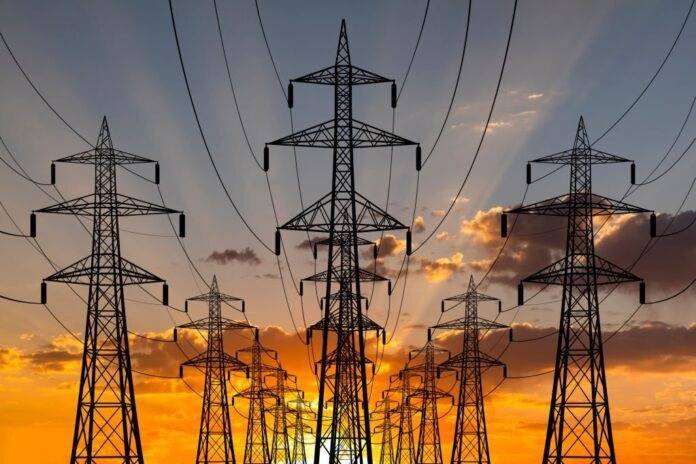

Pakistan has introduced a new energy policy aimed at attracting $5 billion in investment through public-private partnerships, according to state-run media reports. The policy is expected to create thousands of jobs and reduce the country’s dependence on imported fuel.
The government has been working to reform its energy sector, which has long been burdened by issues such as circular debt, power theft, and transmission losses. These challenges have resulted in frequent blackouts and high electricity prices.
The increasing reliance on imported fuel has also drained Pakistan's foreign exchange reserves, pushing the country to the brink of a sovereign default in 2023. A $3 billion bailout from the International Monetary Fund (IMF) provided much-needed relief.
According to state broadcaster Radio Pakistan, the new policy, developed with the support of the Special Investment Facilitation Council (SIFC), is designed to foster the growth and prosperity of the energy sector. It is expected to attract up to $5 billion in investments and promote 35 percent private sector involvement.
The primary goal of the policy is to stimulate public-private partnerships within the energy sector.
A video released by the SIFC explained that the policy allows production and exploration companies to sell 35 percent of future gas discoveries to private entities through a competitive bidding process.
The SIFC emphasized that the policy will generate thousands of jobs, increase gas production, reduce reliance on expensive imported fuels, and contribute to Pakistan's economic growth.
The SIFC, established in June 2023 as a civil-military body, was set up to attract international investment in key sectors like agriculture, energy, livestock, tourism, and mining. Since its formation, the SIFC has targeted Gulf countries and signed agreements worth billions of dollars.