
Health alert: Prevent influenza in September and October
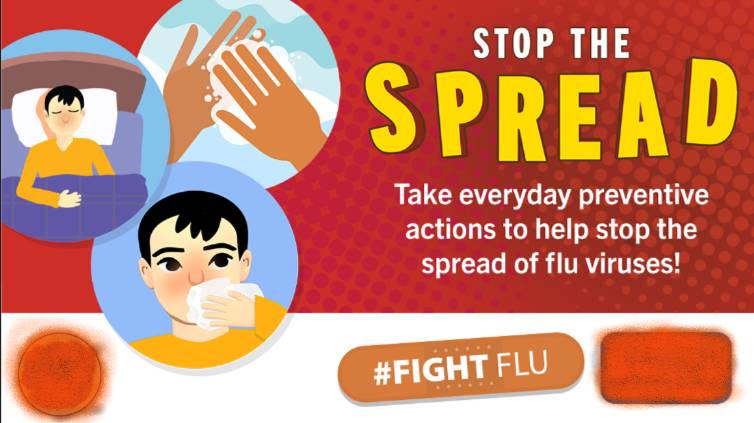

As September and October arrive, doctors have issued a strong health alert urging the public to take precautions against influenza. These months are widely known as peak season for flu vaccination since more people are affected by this viral infection during this time of year. Public awareness is being emphasised as a key preventive measure.
Influenza, a viral infection:
Influenza, commonly known as the flu, is an acute viral infection of the respiratory tract caused by influenza viruses A, B, or C. The infection spreads easily from one person to another through respiratory droplets released while coughing, sneezing, or even talking. Because of its rapid transmission, outbreaks are common and can affect large sections of the population.
Three types of influenza:
There are three main types of influenza viruses. Type A is the most dangerous, as it has been responsible for epidemics and even global pandemics due to its ability to undergo frequent genetic changes. Type B usually causes seasonal outbreaks that are milder than Type A but still significant in impact. Type C infections are typically mild and are not associated with epidemics.
Symptoms of appearance:
The symptoms of influenza appear suddenly, usually within one to four days after infection. Patients may develop a high fever accompanied by chills, headaches, body and muscle aches, fatigue, and weakness. Respiratory symptoms include a dry cough, sore throat, and a runny or congested nose. In children, nausea and vomiting are also more common.
Complications and life threats:
While most patients recover within a week, influenza can cause serious complications, especially in children, the elderly, and those with chronic conditions.
Among these complications are viral pneumonia, secondary bacterial pneumonia, sinus and ear infections, and worsening of existing illnesses such as asthma, chronic obstructive pulmonary disease, and heart disease. Rarely, children given aspirin during influenza may develop a life-threatening condition known as Reye’s syndrome.
The flu is highly contagious, and individuals are most infectious from one day before the onset of symptoms to nearly a week afterward. Transmission usually occurs through droplets in the air, but the virus can also spread by touching contaminated surfaces and then touching the mouth, nose, or eyes.
Diagnosis during an outbreak is often based on clinical judgment, though rapid influenza diagnostic tests or PCR may be used when confirmation is required.
Treatment and supportive care:
Treatment involves supportive care such as rest, adequate hydration, and fever management with medications like acetaminophen or ibuprofen, though aspirin should be strictly avoided in children.
Antiviral drugs can shorten the illness if started within 48 hours of symptom onset. Severe cases may require hospitalisation.
Vaccination, the safe way:
Annual vaccination remains the strongest line of defence, particularly for the elderly, children, pregnant women, healthcare workers, and individuals with chronic illnesses.
Alongside vaccination, good hand hygiene, the use of masks in crowded areas, proper cough and sneeze etiquette, and staying home when unwell are all strongly recommended measures.
The influenza vaccine is generally safe for anyone aged six months and older, with exceptions for those who have severe allergies to previous doses. While the ultimate goal is to vaccinate the entire population, priority should be given to vulnerable groups most at risk of serious illness.
It is noted that widespread awareness and timely precautions can significantly reduce the seasonal burden of influenza and protect communities from its complications.