
World TB Day 2025: Can we eradicate this ancient killer?
Pakistan among top TB hotspots—What’s being done to stop it?
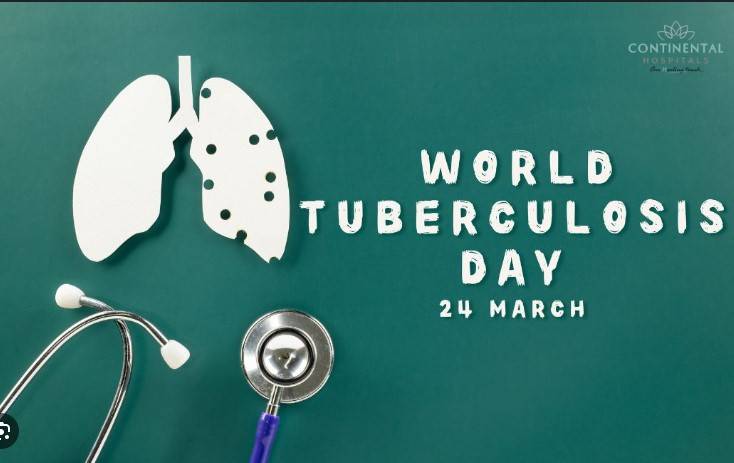
TB is one of the oldest diseases known to affect human beings primarily in the lungs but can disseminate to other organs of the body. WORLD TB DAY is on 24th March of every year, as for the first time the causative bacteria was discovered on 24th March in 1882 by Robert Koch; hence, TB is also called Koch's disease.
TB is present in about one-fourth of the whole world population; that is, around 2 billion people are affected by this disease. There are few species of Mycobacterium tuberculosis, like M. africanus, M. bovis, M. canetti, and M. microtii, but M. tuberculosis is common in human beings. It was discovered that a positive case of M.TB may affect around 20 people in his whole life, 10 of them during the first two years.
Pakistan ranks at 5th position among 30 high burden TB prevalence countries; India (26%) is at the top of the list, followed by China (8.5%), Indonesia (8.4%), the Philippines (6.0%), and Pakistan (5.8%). The recent study in 2022 shows that TB occurs in 90% of adults (males 56%, females 36%), and children 8%. Among all these cases, about 7.3% are in HIV-positive individuals. As TB is the disease of poverty and there were reported cases of death, there were about 1.1 million among HIV-negative people and 0.17 million deaths in HIV-positive people. There is the highest drug resistance in TB drugs, and drug-resistant cases are about 3-4% in new cases and 18-21% in old treated people.
WHO is very keen to eradicate TB disease and has provided all essential drugs, a monitoring system, incentives to patients and healthcare workers, makes strong policies from time to time, and provides essential new early diagnosis material, drug resistance tests, and a fixed dose combination of chemotherapy.
WHO has launched a plan known as END TB STRATEGY 2030-35 SUSTAINABLE DEVELOPMENT GOALS (SDGs). This strategy consists of three pillars and four principals to eradicate TB disease by 2030–35. The highlighted points are 1. To reduce TB incidence by 80% 2. To reduce TB deaths by 90% and 3. To eliminate catastrophic Costs by zero by 2023.
The course of TB treatment is long for six months in lung TB, while more up to one year for extra-pulmonary TB like brain TB and bone TB. The chemotherapy course consists of two phases of Four Drug Combination (FDC) consisting of Rifampicin (R), Isoniazid (H), Ethambutol (E), and Pyrazinamide (Z), all with lots of side effects, especially second-line drugs that are used in resistance cases only. The initial phase consists of two months (RHEZ) and the second phase of four months (RH).
Moreover, WHO has provided new essential methods and equipment to diagnose TB early, see resistance if any for early treatment, and reduce transmission due to waiting and seeking help. There are two types of diagnostic methods 1. Conventional 2. New Molecular-based Ultra-assays (shows sensitivity and resistance in single test within a day). These molecular tests are available at all levels in countries including Pakistan.
Common Symptoms of TB
1. Productive cough of more than 2 weeks is main syndrome for scrrenching
2. Cough of any duration with fever, myalgia, nausea, lethargy, weight loss, night sweats, chest pain
3. Other symptoms of extra Pulmonary TB (backache, headache, abdominal pain, Haematuria, diseases sexual activity, etc.)
Difference between TB-Infection and Active TB Case:
Mycobacterium bacteria is common in developing countries, but the immune response of the human body is strong enough to eradicate this bacterium from the body and doesn’t cause any active TB in about 90% of cases. Only 5 to 10% of aases developed active TB, mostly those who failed to eradicate or had weak immunocompromised status like HIV. So a dormant TB bacteria in the human body may live inactive for years and only after weak immune systems become converted into active TB cases; this is called latent TB infection with no symptoms of active TB disease. Nowadays, latent TB is also being treated for 1, 3, or 6 months of different regimens to become more safe in the future.
Risk factors to develop TB:
1. HIV
2. Malnutrition
3. Immunocompromised with chronic diseases
4. Overcrowdings areas (prisons, refugees, internally displaced persons, orphanages places)
5. Smoking
6. Drugs abusers
7. DM
Causes of relapse of TB disease:
1. In-adherence to TB treatment
2. IMMUNE-COMPROMISED STATUS LIKE HIV
3. Environmental factors
4. Alcohol consumption
5. Smoking
6. Immigradients
7. Different strains of MYCOBacterium bacteria
8. Re-infection
How to Prevent TB Transmission:
- Treatment of Latent TB (ASYMPTOMATIC)
- FIND HIGH-RISK GROUPS AND TREAT who are living with TB-Confirmed Patients
- Children should be screened
- Tb Vaccination at birth (BCG)
- Education at individual and community level
- Public-private Cooperation to Manage Active TB Cases
- Time-to-time Screening of High-risk groups and healthcare workers
- Proper SOPs at the laboratory for transport of sputum and examination
I get screened for TB from time to time, free of charge, and I encourage your family and friends to participate in the eradication of TB disease.
About the writer:
Dr Farzand Ali is a highly qualified medical professional with expertise in pulmonology and public health. Holding degrees in MBBS, MPH, DTCD, and MCPS, he serves as a chest consultant at the Department of Health and Population, Government of Punjab.
With extensive experience in diagnosing and treating respiratory diseases, Dr Farzand Ali is dedicated to raising awareness about tuberculosis (TB) and other pulmonary conditions. His contributions to healthcare include advocating for early diagnosis, proper treatment protocols, and preventive strategies to combat infectious diseases.
Committed to medical research and public health initiatives, he actively participates in government-led programs aimed at eradicating TB and improving community healthcare. His expertise in pulmonary medicine makes him a valuable asset in the fight against respiratory illnesses in Pakistan.
For professional inquiries, he can be reached at: Email: farzand1584@gmail.com or Cell: 0336-4862826.