
Top 10 Most Powerful Militaries in 2025
Where do India and Pakistan stand in current standoff?

In a rapidly changing global security landscape, military strength remains a crucial element of national power.
The most formidable armies in the world combine cutting-edge technology, highly trained personnel, strategic innovation, and vast resources to maintain dominance and project influence across the globe.
This feature explores the countries boasting the most powerful militaries, what distinguishes them, and how they adapt to new threats and challenges. It also deals with where India and Pakistan stand in the current standoff over the deadly Kashmir attack.
United States

The U.S. military is widely regarded as the most powerful in the world. It has the largest defense budget (about $876 billion) and cutting-edge technology, with over 13,000 aircraft and a global force projection (11 aircraft carriers, nuclear triad, etc.).
Decades of combat experience and elite training (e.g. Navy SEALs, Airborne units, etc.) give it unmatched readiness. Historically it has achieved major victories in World War II and the Gulf Wars, reflecting high morale, advanced intelligence, and continual modernization.
Russia
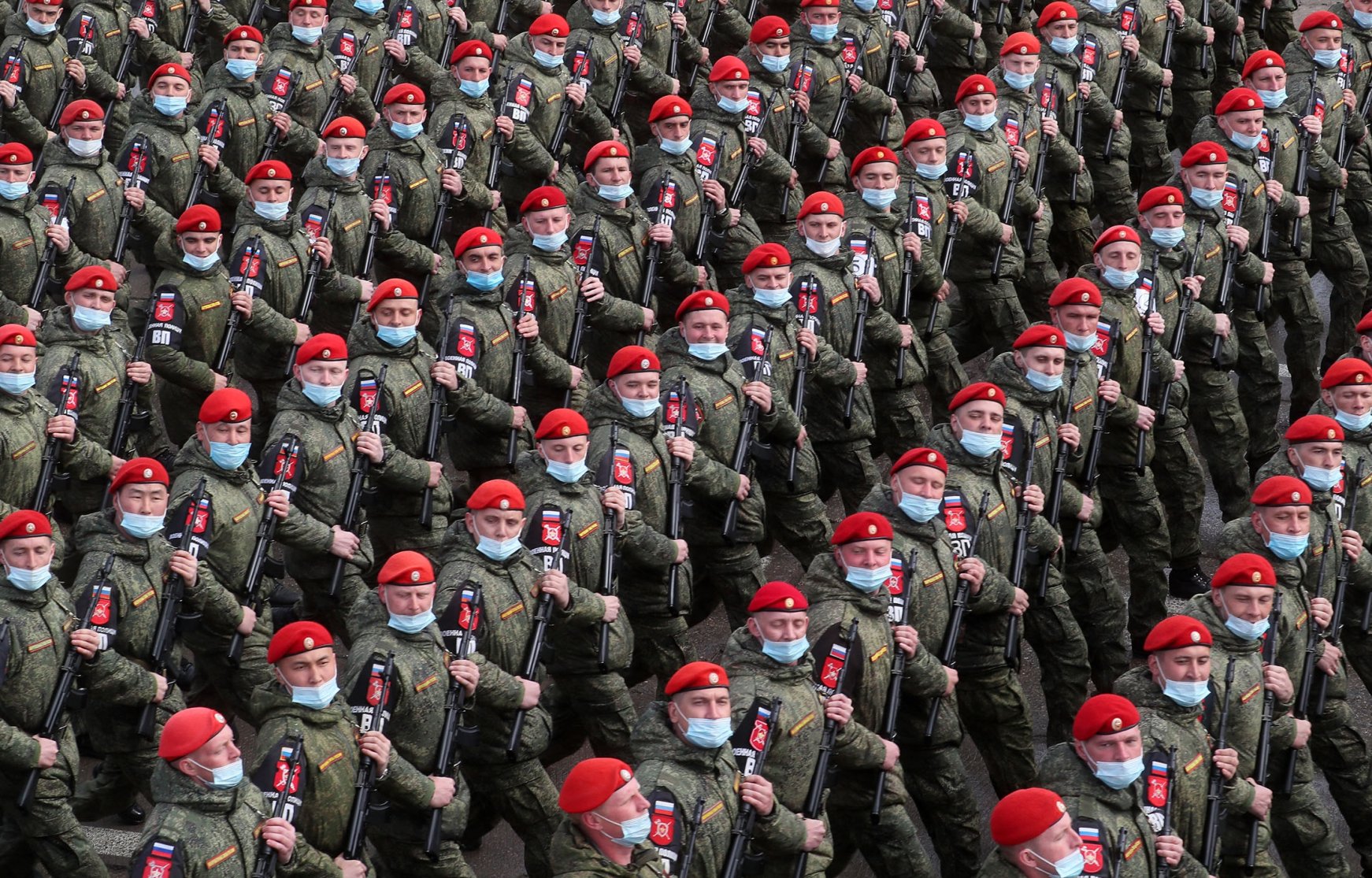
Russia maintains the world’s second-ranked military. It fields a large, well-trained force (nearly 900,000 active duty) and a massive nuclear arsenal. Its forces have advanced tanks, aircraft and missile technology, and a deep historical legacy from the Soviet era.
Despite supply-chain and leadership challenges exposed in Ukraine, Russian troops are hardened by experience (Soviet WWII victories and recent Syria operations) and are noted for resilience and tenacity. Russia’s scale and nuclear deterrence keep it in a top position globally.
China
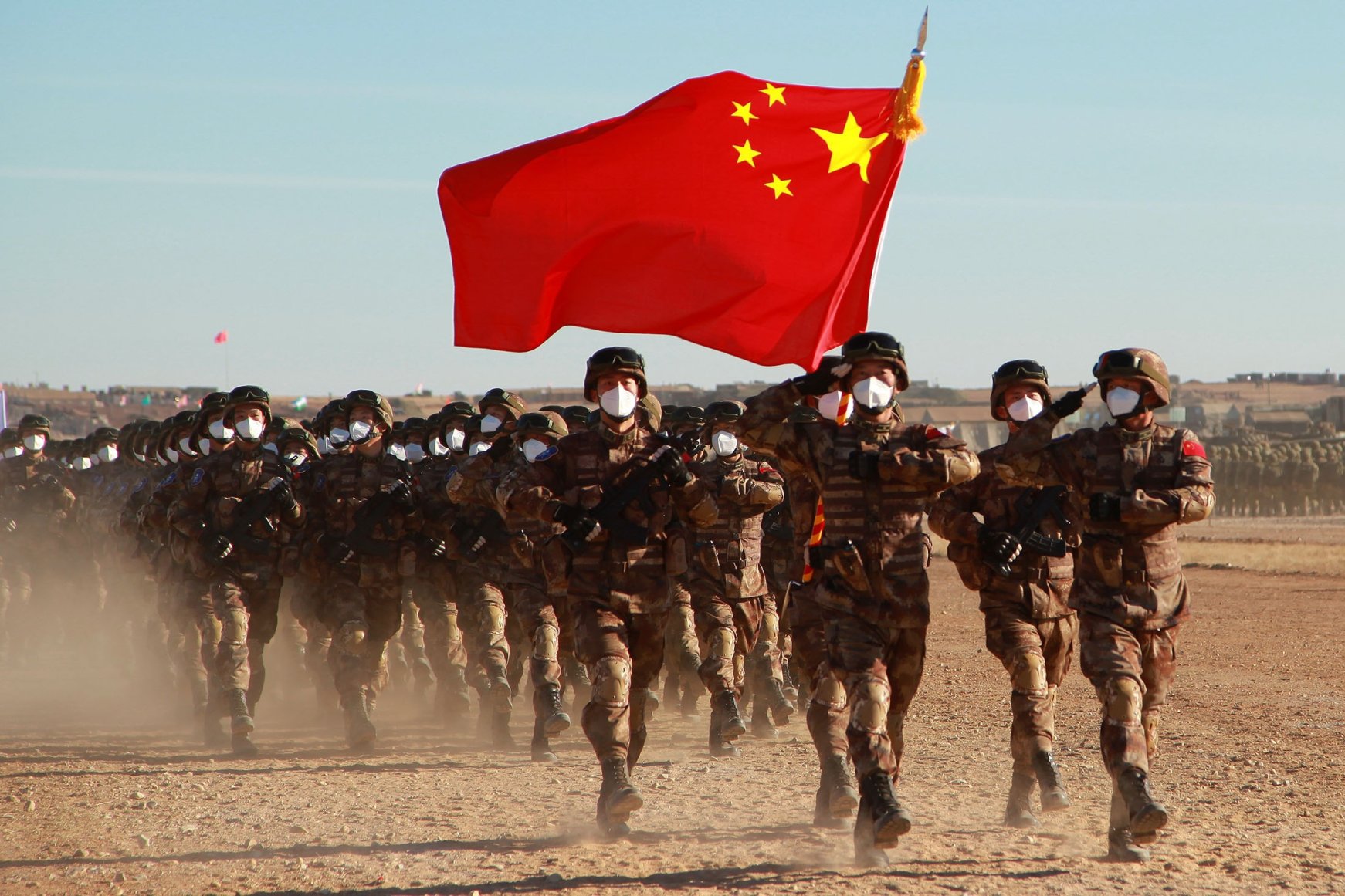
China’s People’s Liberation Army is ranked third by most measures. China leverages its vast economy to field the largest standing army and rapidly modernize all forces. It has over 3,300 combat aircraft and 5,000 tanks, plus growing naval and missile capabilities. Its training and discipline are rigorously enforced, and it emphasizes technological edge (e.g. J-20 stealth fighters, aircraft carriers).
Although without recent combat experience on par with others, China’s military is tested in border skirmishes (e.g. with India) and benefits from high morale as a “people’s army.” Its historical victories (e.g. 1949 civil war, 1979 border war) contribute to its legacy of determination.
India
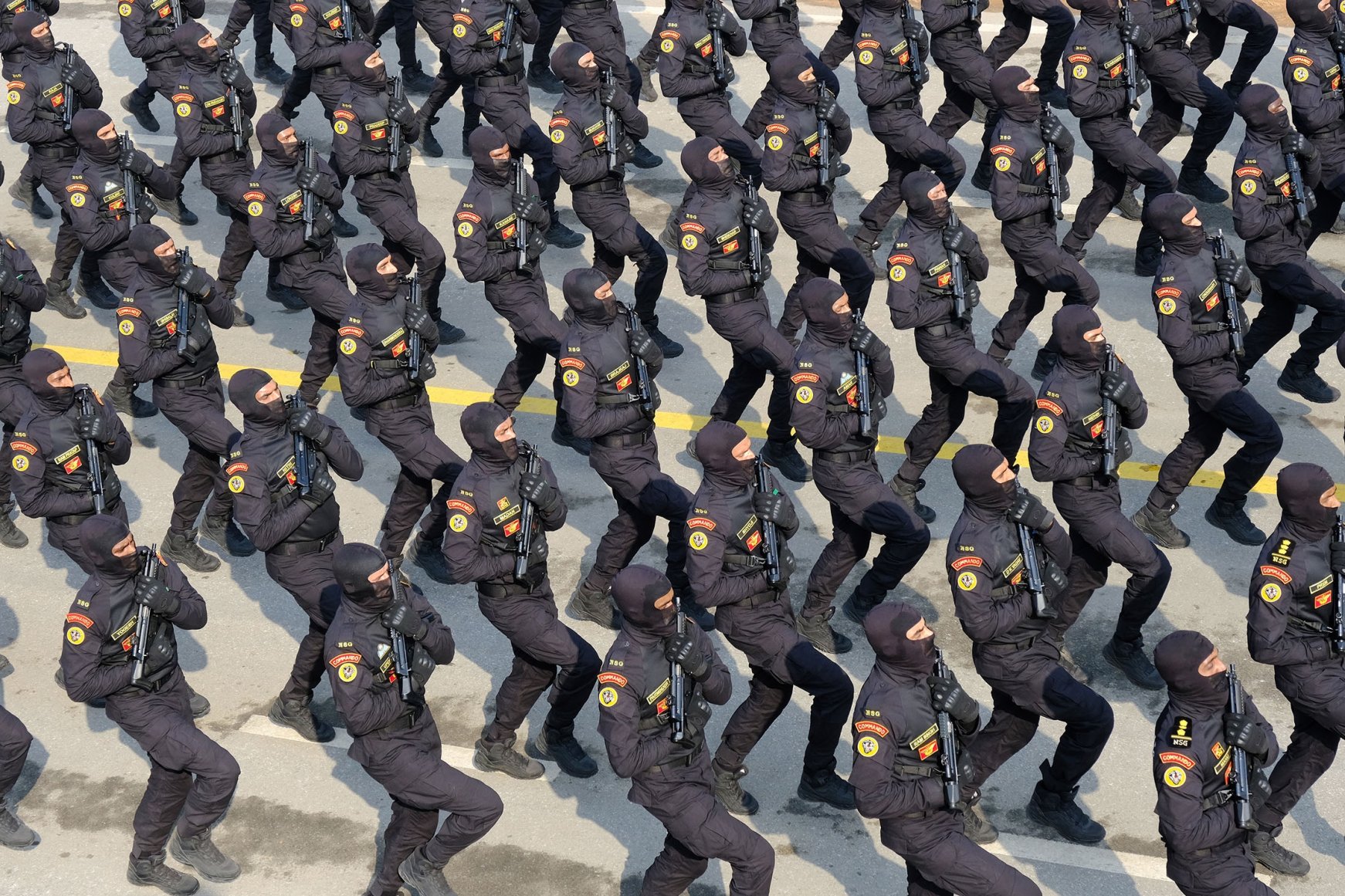
India’s armed forces rank among the top five worldwide. With over 2.2 million personnel (the world’s second-largest army) and a nuclear arsenal, India has a formidable strength. It has 2,216 aircraft and 4,600 tanks, plus a strong indigenous defense industry.
Indian troops are battle-hardened from conflicts (e.g. the 1971 victory in Pakistan, 1999 Kargil victory) and are well-trained for mountain and counter-insurgency warfare. India’s leadership is focusing on modernization (new carriers, missiles) and digitalization, reflecting growing intelligence and resourcefulness. Its large volunteer force, unity of command, and patriotic ethos contribute to high combat readiness.
United Kingdom
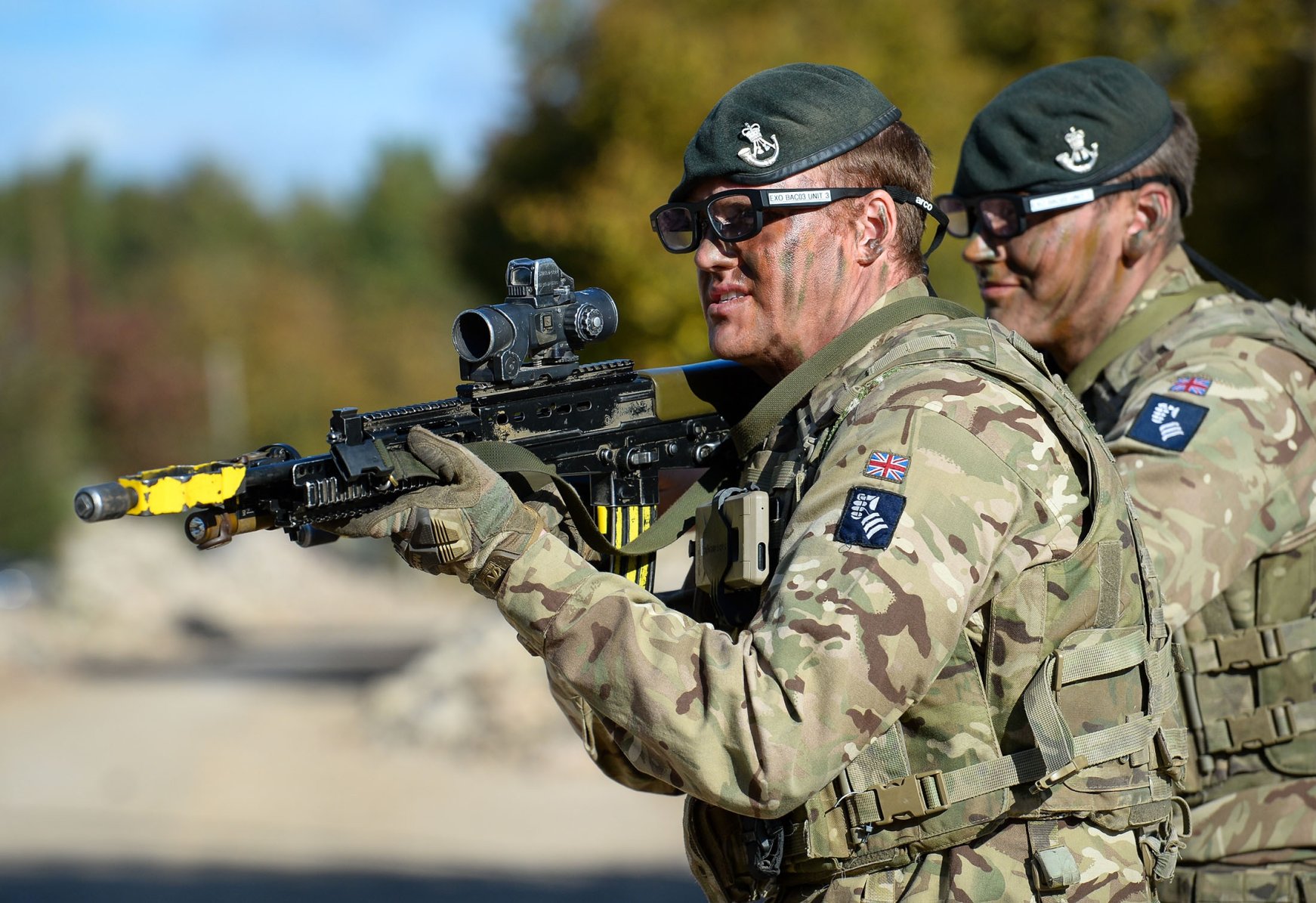
The UK maintains one of the world’s most capable militaries. Its highly professional forces boast advanced air (Eurofighter Typhoon, F-35 jets) and naval power (2 carriers, nuclear subs), supported by strong logistics and intelligence.
The UK’s Royal Marines, Paratroopers and SAS are world-renowned for elite training. Forbes noted that the UK’s “manpower, airpower, logistical efficiency, and financial resources” as top-10 factors.
Historically the British military has won major campaigns (e.g. WWII, Gulf War) and its global expeditionary experience and NATO integration keep its forces sharp and mentally resilient.
France

France is Europe’s other nuclear superpower and has a highly capable military. It fields one of the largest defense industries (Dassault, Thales, etc.) producing Rafale fighters, Leclerc tanks and a nuclear-powered carrier.
France inherits a legacy of Napoleonic and World War victories. Forbes noted France’s role in NATO and its large armed forces within the EU. Robust aerospace and missile tech, plus mandatory service background, ensure high skill and esprit de corps.
Japan
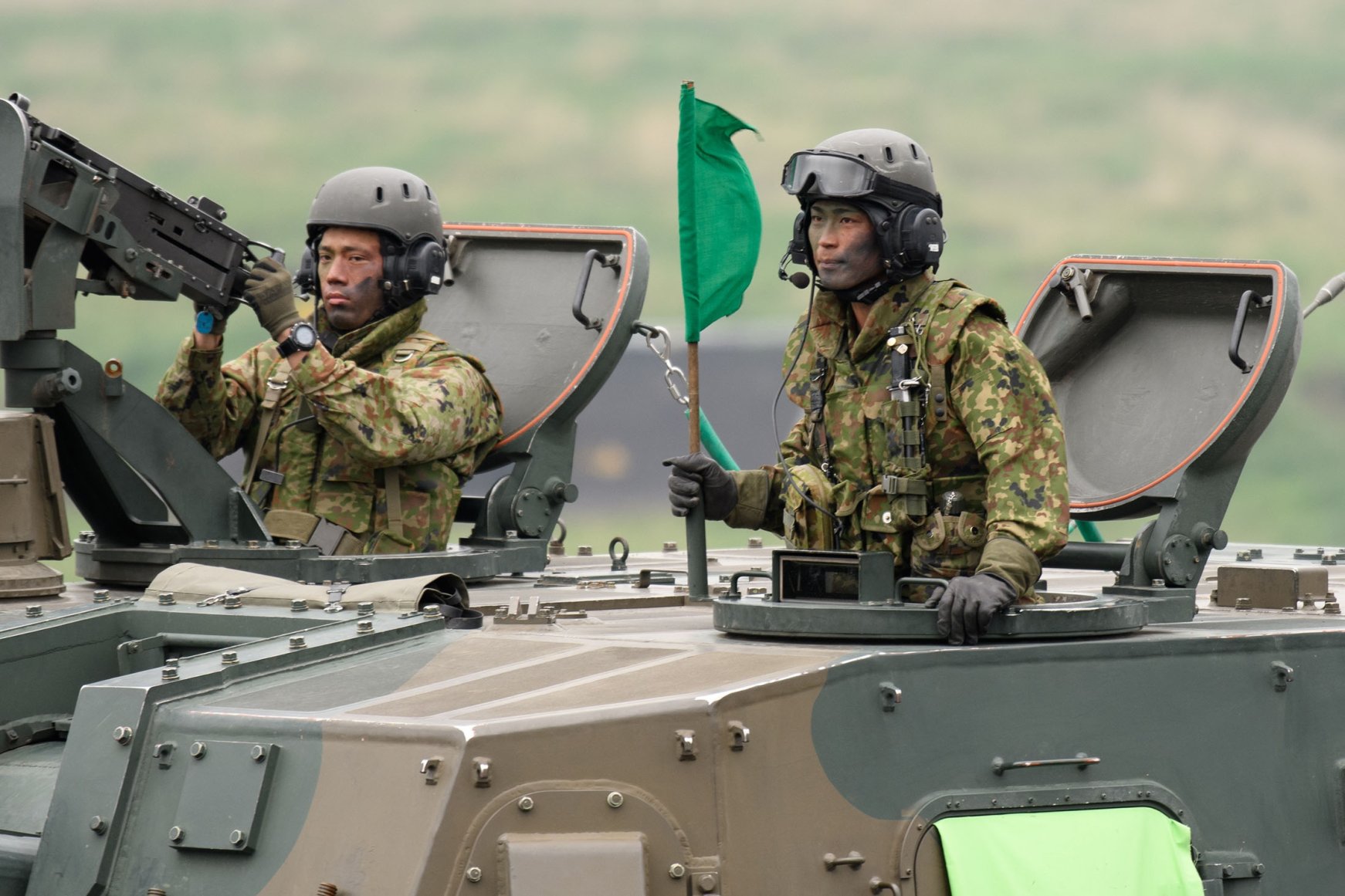
Japan’s Self-Defense Forces rank among the top in Asia. With advanced technology and strong maritime assets, Japan maintains a modern military despite constitutional limits. It operates four helicopter carriers (second only to the U.S. in total carriers) and a modern fleet, giving it strategic maritime power.
Japan’s personnel (over 250,000 total) are highly trained and well-equipped. The Japanese forces focus on precision, coordination with the U.S., and high-tech defense (radars, missiles). Although Japan’s post-WWII history has no offensive wars, its military is respected for discipline and readiness against regional threats.
South Korea
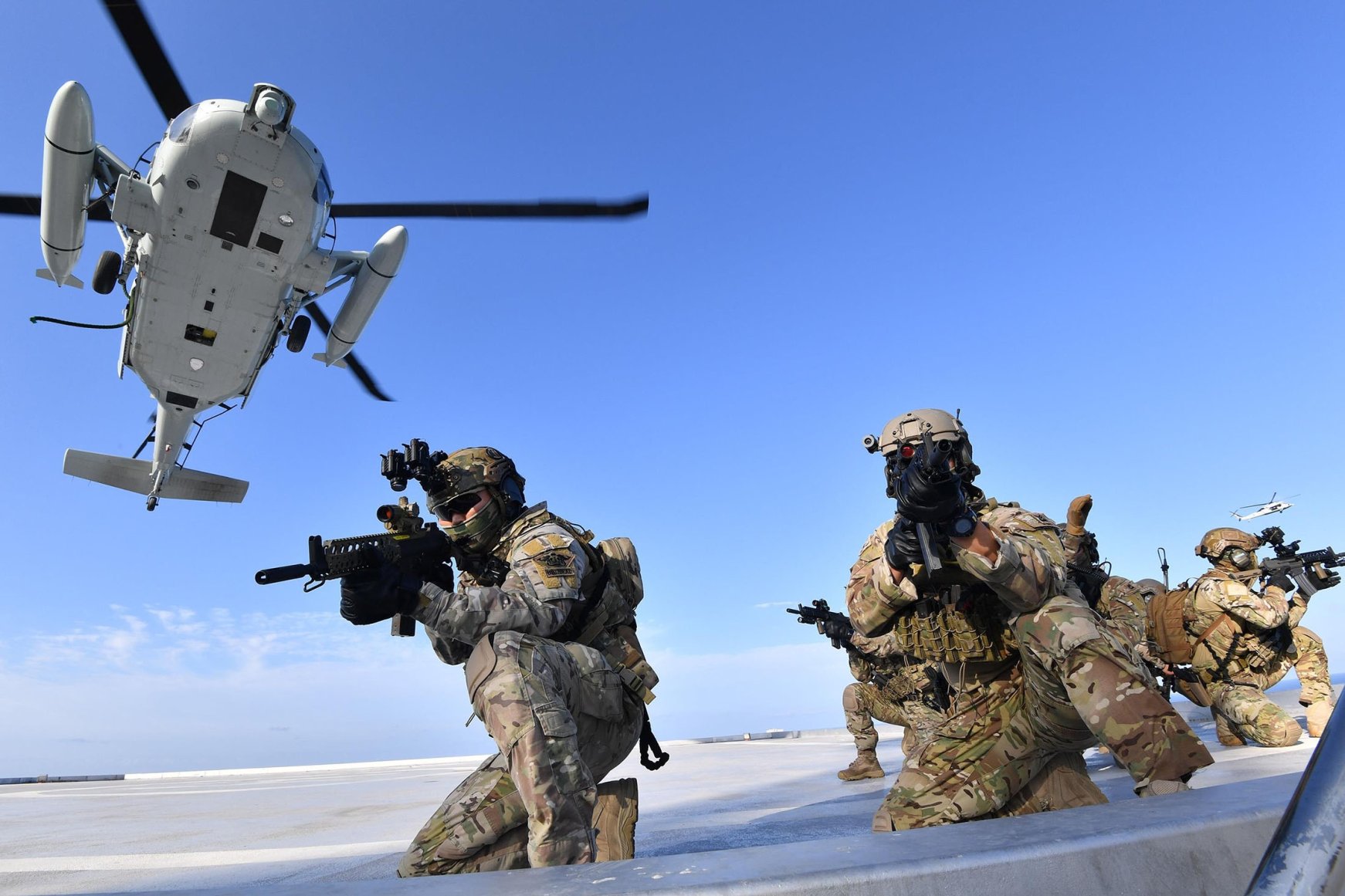
South Korea fields the world’s eighth-ranked military. Facing North Korea, South Korea maintains universal conscription and intense training.
It has over 133,000 armored vehicles and 112 attack helicopters, plus modern fighter jets (including stealth F-35s) and a layered air defense. Decades of deterrence have fostered skill and high morale. The U.S.-ROK alliance further boosts Korean intelligence and joint training. In short, South Korea’s military is highly professional and prepared for conflict.
Turkey

Turkey has one of NATO’s largest armies with strong regional influence. Its strategic Eurasian location and 355,000 active personnel give it weight.
Turkish forces recently gained combat experience in Syria and Libya, and the country has invested in indigenous arms (drones, missiles).
Its soldiers are veteran from counter-terror and conventional operations. Historically, Turkey’s military doctrine is aggressive and disciplined. Turkey also benefits from strong air transport and logistics capacity. Forbes highlights Turkey’s geography and large troop numbers as key strengths.
Pakistan

Pakistan maintains a large, battle-hardened military with nuclear deterrence. It fields roughly 650,000 active troops (2020)– among the world’s largest armies – and about 170 nuclear warheads. Pakistani forces are experienced from conflicts with India and counterinsurgency at home, emphasizing toughness and adaptability.
Its special forces and intelligence services are well-regarded in the region. While resource-constrained compared to top powers, Pakistan’s strategic doctrine of full-spectrum deterrence, combined with devoted training and high unit cohesion, keeps it ranked among the world’s stronger militaries.