
Gohar Rasheed calls out social media's obsession with controversy
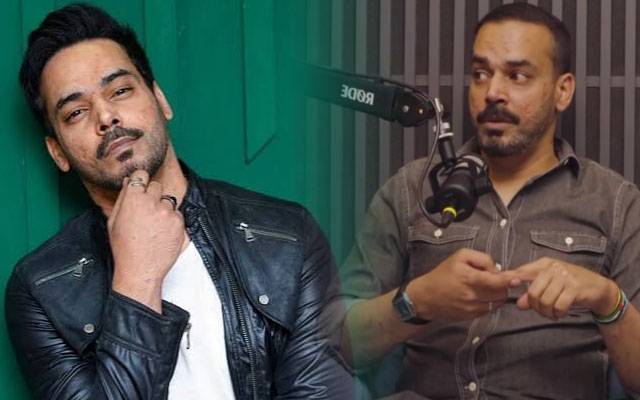

Pakistani actor Gohar Rasheed has sparked an online conversation after sharing his unfiltered thoughts on the modern culture of fame, arguing that controversy and cringe have become the quickest paths to social media virality.
The actor made the remarks during the debut episode of fellow actor Khaqan Shahnawaz's podcast, where he reflected on how social media has reshaped public attention and redefined what it means to be famous.
Speaking candidly, Gohar said the standards of popularity have changed drastically over the years. In his view, people who are controversial, disrespectful, or ill-mannered often receive far more attention than those recognized for their talent or integrity.
"Cringe is the new currency of virality," he remarked, adding that the more controversial a person becomes, the more recognition they seem to receive online.
The actor further suggested that constantly showcasing personal controversies, relationship gossip, bad behaviour, or scandals would likely earn him greater attention.
"If I keep highlighting my controversies, link-ups, bad behaviour or corruption, I'll probably receive even more recognition," he said, emphasizing how social media often rewards sensationalism over substance.
Drawing a comparison with the past, Gohar recalled that society once looked down upon corrupt individuals regardless of their wealth or influence.
He observed that years ago, respected people would distance themselves from anyone known for unethical conduct. Today, however, he believes public attitudes have shifted significantly.
"The more corrupt, rude, or inconsiderate you are, the more attention you get," he said, expressing concern over what he sees as changing social values.
Gohar also spoke about the short lived nature of internet fame, noting that one viral controversy is quickly replaced by another. According to him, social media now thrives on an endless cycle of outrage and sensational content, often leaving little room for meaningful conversations.
His comments have generated mixed reactions online. While many social media users agreed that controversy frequently overshadows genuine talent in the digital age, others argued that audiences ultimately decide what deserves attention and that quality content continues to find its place despite the noise.