
Cholesterol drugs may affect brain, lungs and weight, new study reveals
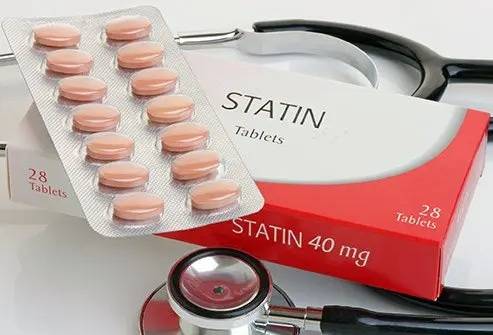

Doctors commonly prescribe cholesterol-lowering medicines to reduce the risk of serious conditions such as heart disease and stroke. As high cholesterol remains a widespread health concern, millions of people rely on these medications for long-term protection.
The most widely used drugs are statins, including Lipitor and Crestor. These medicines work by reducing the body’s production of cholesterol, helping to keep blood vessels clear and lowering the chances of heart attacks. Over the years, statins have played a key role in improving life expectancy and overall health.
A newer class of drugs, known as PCSK9 inhibitors, works differently. Instead of limiting cholesterol production, they help the body remove excess cholesterol from the bloodstream more effectively. These medications are often used for patients who do not achieve sufficient results with statins alone.
Recent research, however, suggests that cholesterol-lowering drugs may have additional effects on the body. According to the findings, some individuals taking statins showed an increase in the size of the hippocampus, a part of the brain responsible for memory and emotional regulation. Scientists believe that a larger hippocampus could potentially offer protection against conditions like depression and dementia, though further studies are needed to confirm this benefit.
The research also examined PCSK9 inhibitors and found possible links to changes in lung function. While the exact impact remains unclear, experts emphasize that more investigation is required to determine whether these effects are significant.
Health experts stress that such studies are important for understanding the full range of how medications influence the body. Despite these findings, cholesterol drugs continue to be highly effective and often life-saving.
Patients are advised not to stop taking their medication without consulting a doctor. Instead, they should monitor any unusual changes, such as weight gain, shifts in energy levels, or breathing difficulties, and seek medical advice if needed.
Researchers say ongoing studies will help refine treatments and lead to more personalized and safer healthcare in the future, as scientists continue to uncover how commonly used medicines can affect the body in unexpected ways.