
PDM’s Jan 1 meeting would be decisive, says Fazl
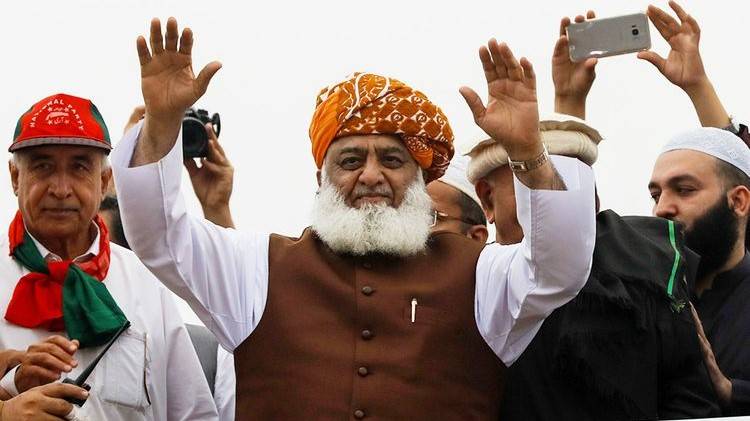

Pakistan Democratic Movement (PDM) Chairman Fazl-ur-Rehman said on Wednesday his meeting with Pakistan Muslim League-Nawaz (PML-N) Vice President Maryam Nawaz was need of the hour after Khawaja Asif’s arrest by the National Accountability Bureau (NAB) a day earlier.
Talking to the media in Islamabad, Fazl said that PML-N Patron Nawaz Sharif was also present via video link at his meeting with Maryam. He said that heads of the PDM member parties would meeting in Lahore on January 1. He said that a number of issues would come under discussion at this meeting and the PDM would make a final decision on any issue.
Speaking on the occasion, Maryam said the PDM would make decisions at the January 1 meeting after consultations. She said she would not comment on any hypothesis; she wanted to hear PPP Chairman Bilawal Bhutto Zardari’s stance. She said that Bilawal would present his stance at the PDM meeting.
Referring to the arrest of Khawaja Asif, Maryam said it was part of the government’s victimisation policy. She said she had no plan to visit the PPP’s Garhi Khuda Bakhsh public meeting on the death anniversary of Benazir Bhutto.
Fazl said the government was using the NAB against the opposition parties. He said that opposition parties would not remain silent at the NAB arrests. He said the PDM meeting would discuss anti-government protests. He said that 220 million people of Pakistan were Nawaz Sharif’s identity if his passport expires in February.
Talking about his absence from the death anniversary of Benazir Bhutto, Fazl said he received the request to attend Benazir’s death anniversary just two days before the event, but he was busy, so he could not go. He said that when he could attend other public meetings; he could also attend PPP’s. He said that arrests were a minor issue; the opposition parties wanted to bring about a revolution. He said that rulers’ accountability had lost its effectiveness. He said the opposition’s hands had reached the rulers’ necks.