
Family, lawyers once again denied meeting with jailed former PM Imran Khan
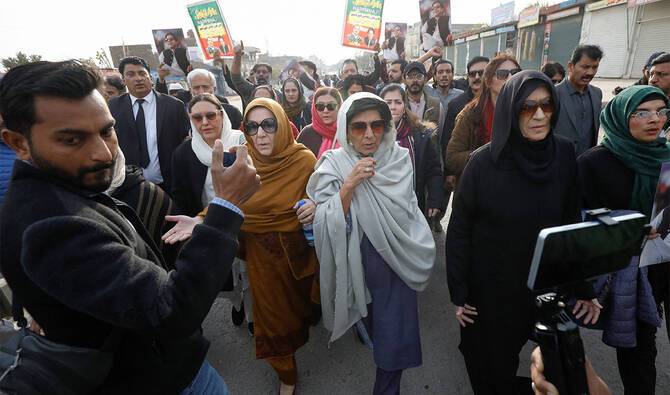

Authorities on Tuesday prevented family members and legal representatives of jailed former prime minister Imran Khan from meeting him at Adiala Jail, sparking strong criticism from the Pakistan Tehreek-e-Insaf (PTI).
According to party leaders, the scheduled meeting time ended without any meeting taking place, despite lawyers, relatives and party workers gathering outside the prison. Senior PTI figures, including Barrister Gohar Ali Khan, Salman Akram Raja, Khalid Yusuf Chaudhry, Murtaza Turi, Ali Zaman and Nabil Satti remained present at checkpoints near the jail but were not granted access.
Speaking to the media, PTI Chairman Gohar Ali Khan condemned the move, saying those obstructing meetings were disregarding public sentiment. He said that not only had meetings with Imran Khan been halted, but access to his wife, Bushra Bibi, had also been restricted for the past four weeks.
Gohar said that concerns over Bushra Bibi’s eye condition had not been addressed and that she had been denied contact with her family and children. “We are deeply worried about the health and well-being of both Imran Khan and his wife,” he said, adding that such actions were worsening the political climate.
The PTI leadership criticised the government for what it termed a politically motivated approach, noting that even after 14 months, no decision had been reached regarding the suspension of Imran Khan’s sentences. The party reiterated its stance that legal and political issues should be resolved through constitutional means, warning that continued restrictions could intensify public frustration.
Despite the restrictions, jail sources said that a separate meeting between Imran Khan and Bushra Bibi did take place inside the prison’s administration block. The meeting reportedly lasted 35 minutes, during which both inquired about each other’s health.
PTI leaders emphasised that they do not seek confrontation but called for immediate restoration of meeting rights for family members and lawyers, stressing that denying such access raises serious legal and humanitarian concerns.