
In China’s shadow: Pakistan’s strategic choices in a divided world
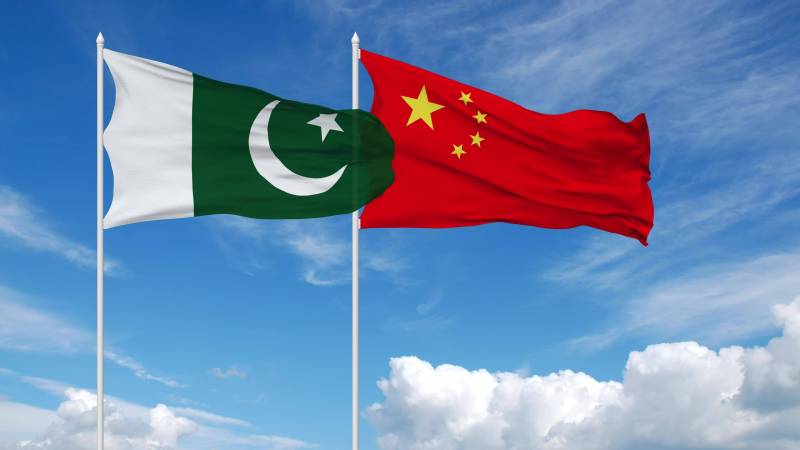

In a rapidly shifting geopolitical landscape, President Asif Ali Zardari’s five-day visit to China from April 25 to May 1, 2026, was far more than a routine diplomatic engagement. It unfolded at a moment when Pakistan faces economic fragility, regional tensions, and an evolving global order shaped by great-power competition. The visit, therefore, must be understood not only through ceremonial optics but through the strategic imperatives that underpin Pakistan–China relations.
Zardari’s itinerary was geographically limited but strategically significant. He began his visit in Changsha, the capital of Hunan province, from April 25 to 27, before proceeding to Sanya from April 28 to May 1. These cities are not Beijing or Shanghai—the traditional centers of political diplomacy—but hubs of provincial economic power and emerging industrial cooperation. This choice reflects a deliberate shift toward sub-national diplomacy, where provinces act as engines of trade, investment, and technology transfer.
The focus of Zardari’s engagements was equally telling. Rather than high-profile summits alone, he concentrated on meetings with provincial leadership, industrial stakeholders, and defence officials. This signals a pragmatic approach: Pakistan is no longer merely seeking symbolic affirmation of its “all-weather friendship” with China but tangible economic outcomes—investments, joint ventures, and technology partnerships that can stabilize its struggling economy.
At the core of the visit were three interlinked objectives. First, economic revival. Pakistan’s economy has been under immense pressure, marked by inflation, debt dependency, and declining industrial output. The visit aimed to attract Chinese investment, expand trade, and accelerate industrial cooperation. Second, the revitalization of the China–Pakistan Economic Corridor. Zardari’s discussions emphasized the transition to CPEC’s second phase, focusing on industrial zones, agriculture modernization, and technological collaboration rather than just infrastructure. Third, strategic and defence cooperation, highlighted by his presence at the commissioning of a Hangor-class submarine in Sanya—an event that underscored deepening military ties.
The visit yielded symbolic and strategic gains. The submarine commissioning alone signalled a strengthening of defence cooperation and technological transfer, reinforcing Pakistan’s deterrence posture in a volatile region. Moreover, continued Chinese willingness to engage with Pakistan economically—despite global uncertainties—demonstrates sustained trust.
Yet, the economic outcomes remain largely prospective rather than immediate. No major breakthrough announcements—such as large-scale financial packages or new mega-projects—dominated headlines. Instead, the visit reinforced existing frameworks and opened pathways for future cooperation. This reflects a broader reality: China’s engagement with Pakistan is becoming more cautious, emphasizing sustainability, return on investment, and security of its personnel.
The visit’s relevance to CPEC cannot be overstated. Since its launch, CPEC has been the cornerstone of Pakistan–China economic relations, linking infrastructure development with broader regional connectivity under China’s Belt and Road Initiative.
However, the first phase of CPEC—focused on energy and infrastructure—has not fully delivered the anticipated economic transformation. Zardari’s visit aimed to reposition CPEC toward industrialization and export-oriented growth. This shift is critical if Pakistan is to move from debt-driven development to productivity-driven growth.
Equally important is the broader regional context, particularly the Middle East. The ongoing instability in West Asia—ranging from conflicts to energy market disruptions—has elevated the strategic importance of Pakistan–China cooperation. Pakistan’s geographic position makes it a potential bridge between China and the Middle East, especially through Gwadar Port and associated trade corridors. Zardari’s engagement with China, therefore, carries implications beyond bilateral ties; it aligns with a larger vision of regional connectivity that could integrate South Asia, Central Asia, and the Middle East.
In this context, economic cooperation takes on a geopolitical dimension. For China, Pakistan offers access to the Arabian Sea and an alternative trade route that bypasses chokepoints like the Strait of Malacca. For Pakistan, China remains a critical partner capable of providing investment, technology, and diplomatic support in a challenging international environment. The convergence of these interests explains the resilience of their partnership, even amid economic and security challenges.
However, challenges persist. Security concerns, particularly attacks on Chinese nationals in Pakistan, continue to cast a shadow over bilateral cooperation. Economic inefficiencies, bureaucratic hurdles, and political instability within Pakistan also limit the pace of progress. Furthermore, global geopolitical pressures—especially US-China rivalry—complicate Pakistan’s balancing act between major powers.
In assessing the visit, one must avoid both overstatement and understatement. It was neither a transformative breakthrough nor a routine diplomatic exercise. Rather, it was a recalibration—an attempt to align Pakistan–China relations with emerging economic realities and strategic priorities.
The deeper significance of Zardari’s visit lies in its timing and direction. It reflects Pakistan’s recognition that its future economic stability is closely tied to regional integration and strategic partnerships. It also highlights China’s evolving approach—more selective, more economically driven, yet still anchored in long-term strategic considerations.
President Zardari’s China visit underscores a partnership in transition. While the rhetoric of “all-weather friendship” remains intact, the substance of the relationship is shifting toward pragmatic economic cooperation and strategic alignment. The success of this shift will depend not on diplomatic visits alone but on Pakistan’s ability to implement reforms, ensure security, and translate agreements into tangible outcomes. If these conditions are met, the visit may well be remembered as a step toward redefining Pakistan’s economic and geopolitical trajectory. If not, it risks becoming another chapter in a long history of unrealized potential.