
Margot Robbie's $8m Taj Mahal diamond necklace sparks backlash
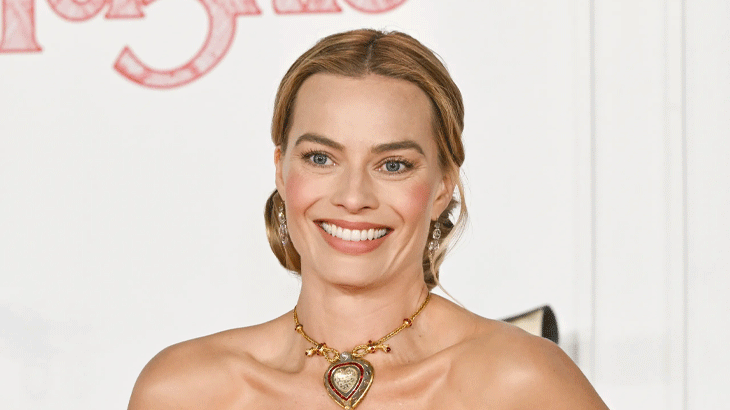

Margot Robbie set off a fierce global conversation after stepping onto the red carpet wearing one of the most historically charged jewels ever seen at a modern Hollywood premiere, valued at $8 million, which approximately makes Rs. 2.25 billion (PKR).

The actor appeared at the January 28 premiere at the TCL Chinese Theatre dressed in a Schiaparelli haute couture gown that nodded to classic Old Hollywood elegance. While her fashion choice drew admiration, it was her jewellery that quickly dominated headlines and online debate.
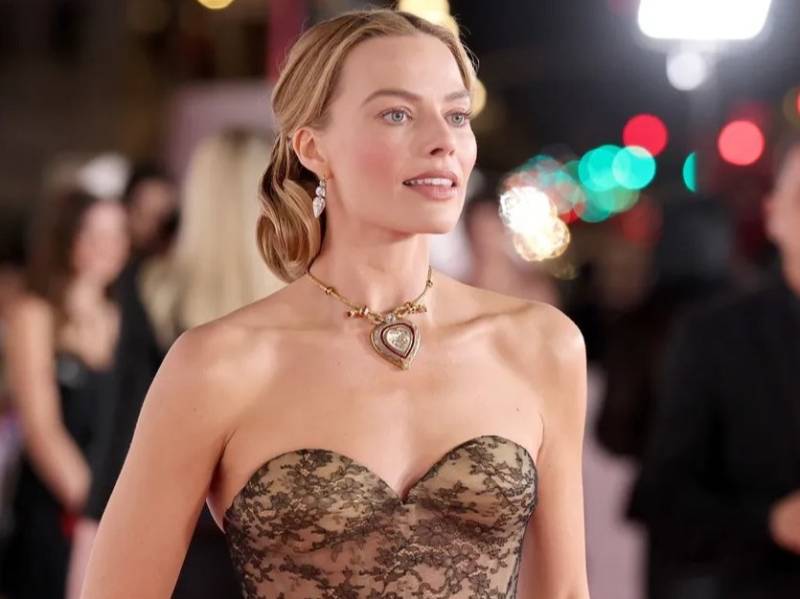
Robbie wore the famed heart-shaped Taj Mahal diamond necklace, an exceptionally rare piece estimated to be worth around $8 million. Mounted on a Cartier-crafted gold and ruby chain, the jewel is regarded as one of the most historically significant diamonds ever displayed at a contemporary red-carpet event.
Jewellery historians trace the diamond back to Mughal-era India. It bears an inscription reading "Love is Everlasting" along with the name of Mughal empress Nur Jahan.
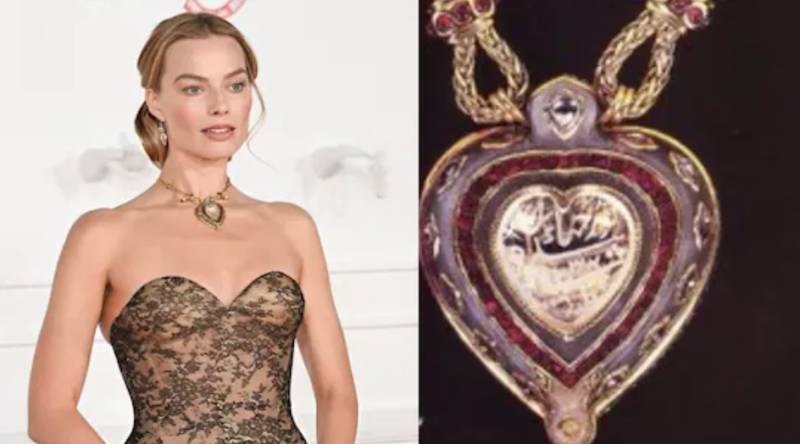
The gem is believed to have been gifted by Emperor Jahangir to Nur Jahan and later linked to Shah Jahan and his wife Mumtaz Mahal, whose memory inspired the construction of the Taj Mahal. This association ultimately gave the diamond its enduring name.
Centuries later, the jewel entered Western hands. Cartier acquired it in 1971 and reimagined it as an ornate necklace incorporating rubies, jade accents and adjustable gold tassels, designed by Alfred Durante. In 1972, the piece was introduced to Elizabeth Taylor and Richard Burton, with Burton later gifting the necklace to Taylor as a 40th birthday present.
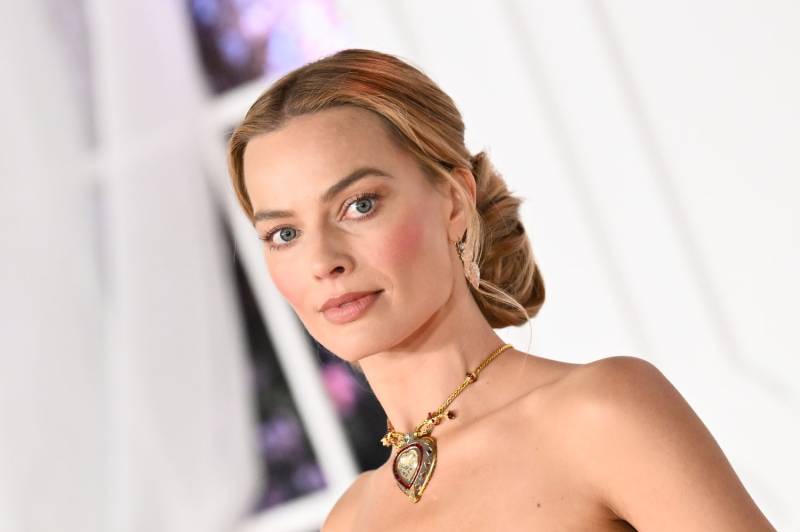
At the premiere, Robbie explained that the necklace felt fitting for the occasion because of its romantic legacy. She styled it as a choker, letting the tassel cascade down her back in a deliberate echo of Elizabeth Taylor’s original look.
After the event, social media reaction was sharply divided. Many applauded Robbie for channeling Old Hollywood glamour and honoring Taylor’s iconic legacy.
Margot Robbie wore this diamond necklace to the "Wuthering Heights" premiere.
— AJ+ (@ajplus) January 30, 2026
Its appearance reopened discussion about Western celebrities wearing heritage items taken from India — and India’s fight to reclaim them. pic.twitter.com/inlWrniMl0
Others, particularly voices from India, questioned how the jewel’s story was being told. Critics argued that labeling the necklace primarily as an Elizabeth Taylor piece minimized its Mughal origins and deeper historical significance.
The discussion soon widened into a broader debate around cultural heritage, colonial histories, and the responsibilities that come with displaying artefacts of immense historical weight on global stages.
SPOTTED: Margot Robbie at the Wuthering Heights premiere wearing the Taj Mahal necklace.
— Muslim Girl (@muslimgirl) January 30, 2026
Once a Mughal heirloom, the necklace’s later circulation through Hollywood underscores how colonial objects are rebranded as luxury. pic.twitter.com/7JR6idG2sn