
PM forms committee to monitor petroleum supplies, prices on daily basis
Finance minister to lead 18-member committee: Global crude surges after US-Israel strikes on Iran: Hormuz disruption fuels fears of $100 oil
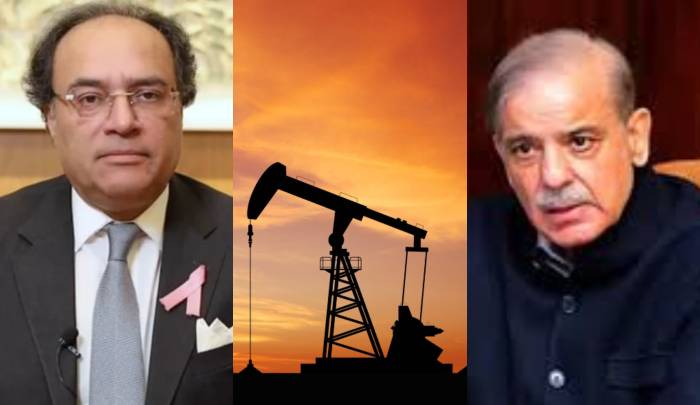

Prime Minister Shehbaz Sharif has constituted an 18-member committee to monitor the demand and supply of petroleum products in Pakistan due to the escalating war situation in major oil-producing countries in the Middle East following US-Israel strikes on petroleum-rich Iran.
According to a report aired by the 24NewsHD TV channel on Monday, the committee will monitor petroleum stocks across the country on a daily basis. It will also keep track of fluctuations in petroleum product prices and present recommendations to ensure uninterrupted fuel supplies nationwide.
The committee includes the federal ministers for petroleum and power, while the secretaries of finance and petroleum, along with the chairman of the Federal Board of Revenue, are also part of the body.
Global energy markets have been gripped by extreme volatility following weekend airstrikes by the United States and Israel on Iranian nuclear and military facilities, which martyred Iran’s supreme leader, Ali Khamenei. In retaliation, Iran launched missile strikes across the region, targeting Israel and several Gulf nations having US bases, including the United Arab Emirates, Qatar, Bahrain and Kuwait.
As per the global reports, oil benchmarks recorded their sharpest single-day surge in more than two years. Brent crude jumped as much as 13% in early Monday trading, reaching an intraday high of $82.37 per barrel, its highest level since early 2025. US benchmark West Texas Intermediate climbed nearly 7%, touching around $75.33 per barrel.
Analysts have warned that a prolonged closure of the Strait of Hormuz could push prices toward $100 to $130 per barrel, while retail gasoline prices in the United States could surge significantly if the conflict intensifies.
The conflict has directly threatened physical oil infrastructure and transit routes, with navigation through the Strait of Hormuz effectively halted by Iran. The chokepoint handles roughly 20% of the world’s oil shipments and substantial volumes of liquefied natural gas. International shipping operations have stalled as insurers withdraw coverage for vessels operating in the region.
Reporter: Waqas Azeem