
India alerts Pakistan about more floods after 880 killed, millions affected
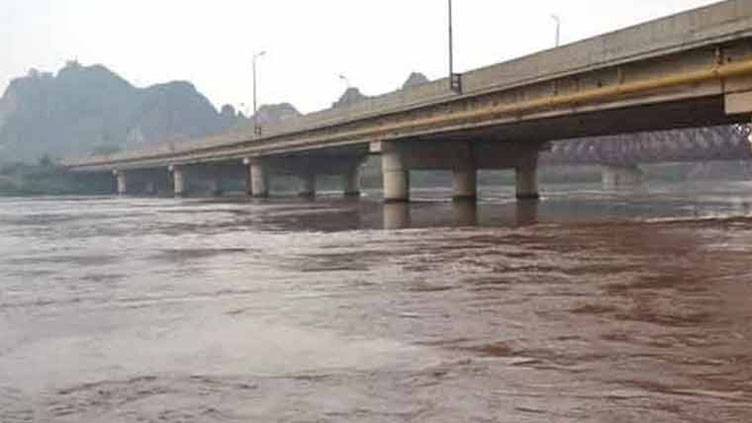

India has issued a second flood warning to Pakistan in less than two weeks, Pakistani disaster management officials announced on Tuesday, as the country grapples with severe monsoon-related flooding that has claimed more than 880 lives nationwide.
Pakistan is currently facing a flood emergency, particularly in Punjab—its agricultural heartland—where at least 41 people have died and over 2.4 million have been affected in the past 10 days, according to the Provincial Disaster Management Authority (PDMA).
Since June 26, a combination of heavy rains, floods, and landslides has killed 881 people across the country, reigniting fears of a repeat of the devastating 2022 floods, which left a third of Pakistan under water, killed more than 1,700 people, displaced 30 million, and caused damages exceeding $35 billion.
An Indian government official told the international media that New Delhi issued the warning on humanitarian grounds via its high commission in Islamabad. Pakistan’s National Disaster Management Authority (NDMA) has also issued fresh alerts for further rainfall in already flood-hit areas of Punjab.
“These rains may worsen conditions in flood-affected regions,” the NDMA warned on Tuesday evening. “People should avoid rivers, streams, and drains. Residents of low-lying areas must take precautionary steps and follow administrative instructions.”
The NDMA forecast heavy rainfall over the next 12 to 24 hours in numerous Punjab districts, including Sialkot, Narowal, Lahore, Sheikhupura, Gujrat, Gujranwala, Hafizabad, Chiniot, Faisalabad, Sargodha, and nearby areas.
Intermittent rain is also expected in Islamabad, Rawalpindi, Jhelum, Chakwal, Attock, Multan, Khanewal, Bahawalnagar, Bahawalpur, Rahim Yar Khan, Dera Ghazi Khan, Rajanpur, and surrounding regions during the same period.
The Indian High Commission conveyed the latest warning through Pakistan’s Ministry of Water Resources, bypassing the Indus Waters Treaty, which India has said is currently suspended, according to the AP report.
The warning pertains to rising water levels in the Sutlej River, with floodwaters expected to enter Pakistan on Wednesday. Flood surges have already devastated border areas including Kasur, Okara, Vehari, and Bahawalnagar.
South Asia receives 70–80% of its annual rainfall during the monsoon season, which starts in early June in India and late June in Pakistan, lasting through September. These rains are essential for agriculture and food security but are increasingly destructive due to shifting and extreme weather patterns.
On Tuesday evening, the NDMA reported that the water flow in the Chenab River had dropped from 885,000 cusecs to 550,000 cusecs after officials intentionally breached the riverbank at two points.
“With the Panjnad Headworks capable of handling up to 650,000 cusecs, there will be no need for further breaches elsewhere,” the NDMA stated. “This water flow is expected to reach the Guddu Barrage by the afternoon of September 6, with an estimated volume of 450,000 to 500,000 cusecs.”
PDMA Punjab Director General Irfan Ali Kathia said that floodwaters from the Chenab would reach Multan via the Trimmu Headworks by Tuesday night.
“The situation in Multan could become critical,” Kathia warned. “So far, 3,243 villages have been affected in Punjab, impacting approximately 2.4 million people in some way.”
He added that more than one million people have been rescued through joint efforts by government agencies and private organizations.