
Field Notes from Suzhou to Fix Pakistan’s Special Economic Zones
In Pakistan, the idea of Special Economic Zones (SEZs) has been around for years. These zones are meant to bring in investment, create jobs, and boost local industries. Ever since the China-Pakistan Economic Corridor (CPEC) began, SEZs have been a big part of our development plans. But if we’re honest, the progress has been slow. Many zones are still empty plots. Investors are cautious. Government departments don’t always work together. And when political leadership changes, priorities shift too. I have seen this firsthand as a journalist covering development stories in Pakistan for over a decade.
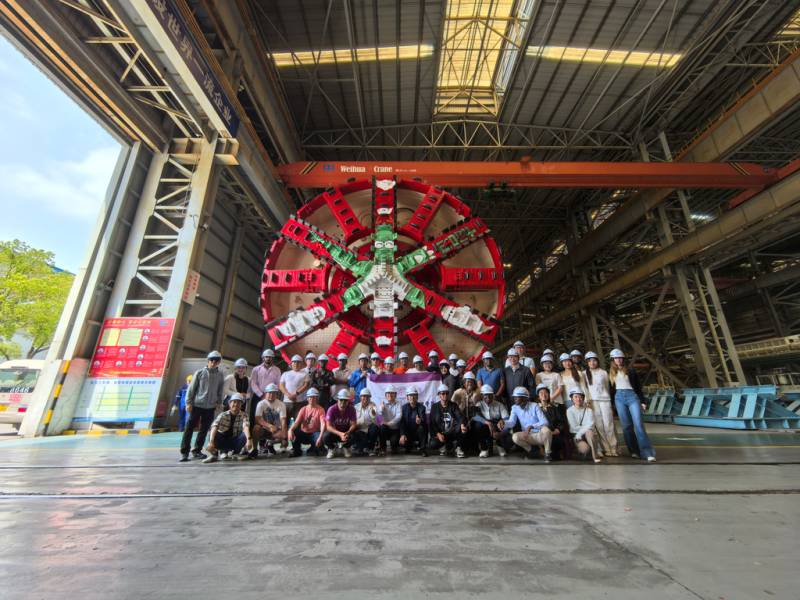
But this year, in April 2025, I had a chance to see a different story. I joined a study trip to Suzhou, China, along with 32 international students from 21 countries, including Brazil, Indonesia, Pakistan, South Africa, Mongolia, Tanzania, Cambodia, Sierra Leone, and Jordan. We were part of the International Master of Public Administration program at Tsinghua University’s School of Public Policy and Management (SPPM). The trip was guided by Associate Professor Zhenqing Zheng and Professor Guo Xinning.
Our journey was focused on the Practice Review of Public Management Practice Field Study in Suzhou. And the place that stood out the most to me was Suzhou Industrial Park (SIP). This zone is more than a group of factories, it’s a full city. It has residential neighbourhoods, modern schools, hospitals, parks, public transport, and tech incubators. It was built with help from Singapore, and it’s now one of China’s most advanced SEZs.
The difference with Pakistan was clear right away. In our special economic zones, we often just build roads and offer land to companies or investors. But in Suzhou, there’s a complete support system. The workers don’t have to travel far, they live nearby. Their children can go to good schools. Their families have green spaces and safe streets. This isn’t just about investment, it’s about building a place where people can live and grow.
One visit I will never forget was to Zhangjiagang Port Group. There, we saw how port workers control massive cranes from inside digital command centres. It looked like they were playing video games, but what they were doing was moving huge containers with perfect accuracy. They weren’t out in the sun or rain. They were safe, using high-tech systems. That kind of investment in both people and machines shows how serious China is about smart logistics.

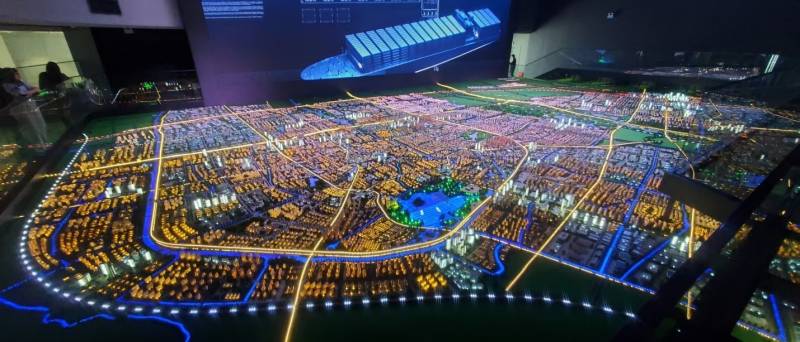
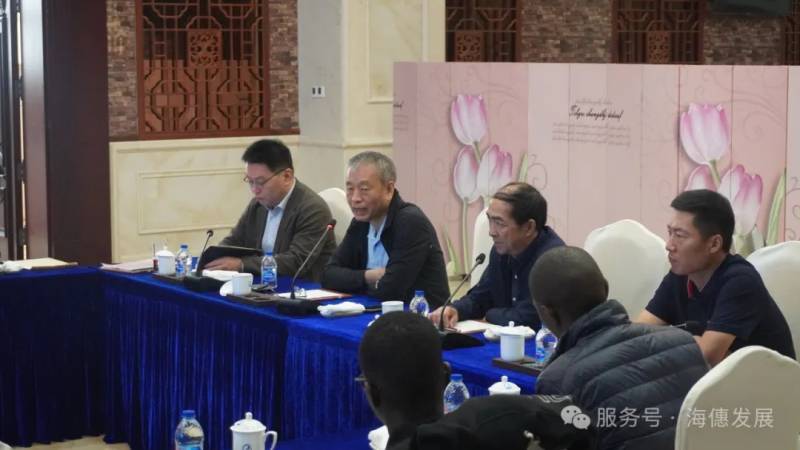
We also visited the Zhangjiagang Municipal Government planning hub. There, we learned how they connect city planning with economic development. They don’t see industry and public welfare as separate. For them, every new factory means planning for housing, schools, hospitals, and clean air. During this visit, Professor Zhenqing Zheng gave us a lecture that connected what we saw with our coursework. He helped us see how policy isn’t just about laws and papers, it’s about people, and how well services are delivered on the ground.
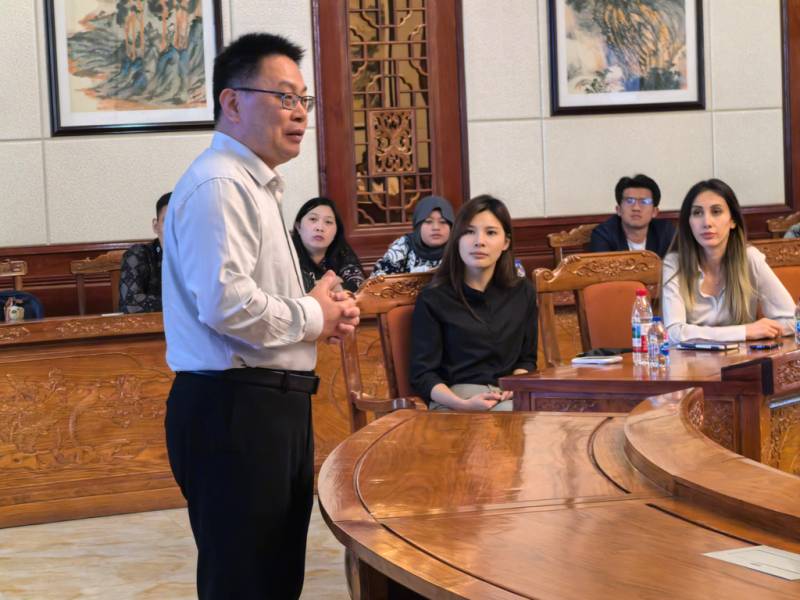
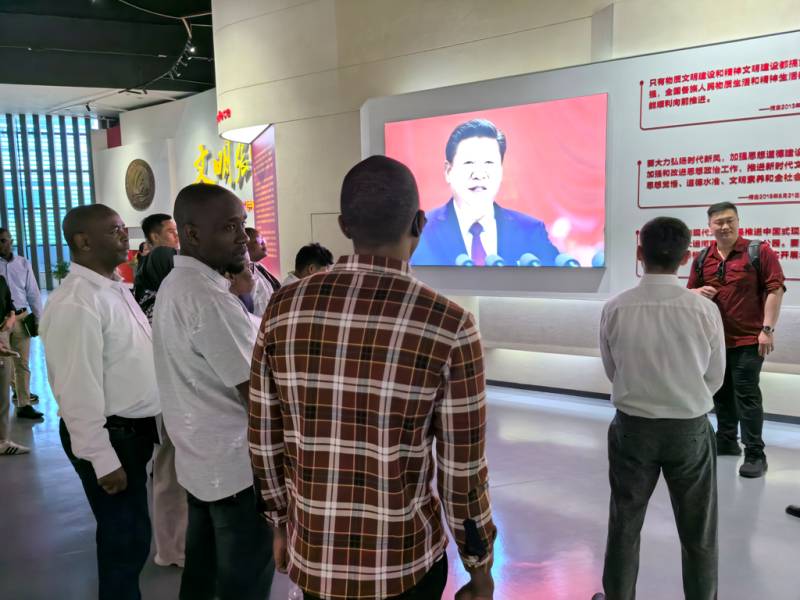
During our discussions, officials also emphasised the concept of “shared development,” guided by the vision of President Xi Jinping. The idea is to ensure that people enjoy better education, more stable jobs, higher incomes, reliable health care, comfortable housing, and a better environment. They believe that building a city is not just about economic numbers but about improving the quality of life for every resident and helping the next generation grow up healthier and stronger. Seeing how these ideas are put into action, I realised how powerful good governance can be in creating a better future for everyone.
At Oceanfavor Group, we saw how companies can grow by focusing on environmental protection. They build equipment for marine safety and smart shipping, all while following strong green policies. At Huachang Chemical and Huachang New Energy, we saw how traditional industries are switching to cleaner energy like hydrogen. This change wasn’t just a business choice, it was encouraged by government targets and support. If we want our industries in Pakistan to move toward green energy, we also need policies that guide and support them.
At China Communications Construction Company (CCCC), we walked through giant halls filled with tunnel boring machines and GPS-guided cranes. But more than the machines, what impressed me was the teamwork and planning. Everyone knew their job. Projects were organised. In Pakistan, we have the talent, but we need better coordination, less delay, and more accountability.
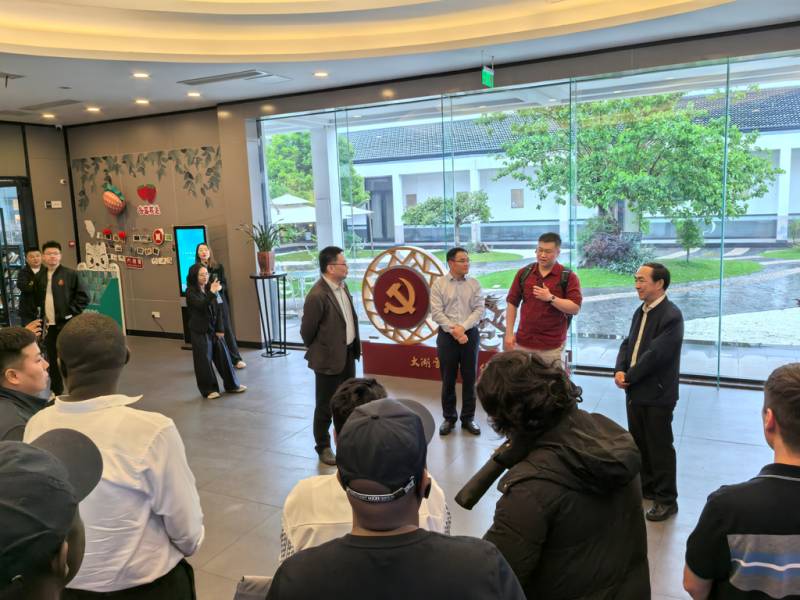
We also spent time in Suzhou’s community centres. There, local people use apps to manage daily services, pay bills, report issues, or book appointments. It makes public services fast and clear. This kind of digital connection could help improve citizen trust in Pakistan, where people often don’t know where to go for help or face long waits.
One visit that made me think deeply about rural development was the Taihu Snow Sericulture Base in Zhenze Town. There, silk production isn’t just an old tradition, it’s a new business. The community has mixed farming with tourism and creativity. They have built a model that protects heritage while earning income. In Pakistan, our rural areas have amazing traditions, crafts, and food. With the right support, we could turn these into successful community businesses too.
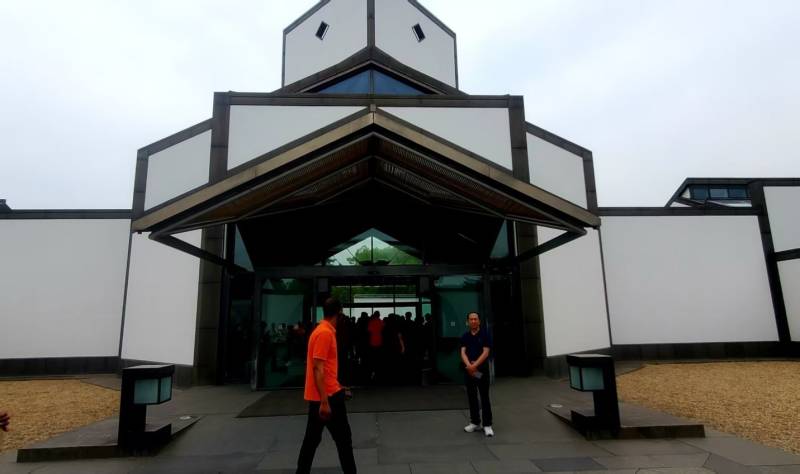
We also visited Suzhou Museum and Zhouzhuang Water Town. These places were more than tourist spots. They were living examples of how culture and identity are protected through smart policies. The museum, designed by I.M. Pei, felt like a bridge between old and new. Zhouzhuang, with its canals and bridges, showed how history can attract visitors without losing its roots. In Pakistan, many of our historic places are at risk. What we saw in Suzhou reminded me that protecting culture can also be part of smart development.
As I look back now, two months later, I realise that Suzhou’s SIP success isn’t about spending more money. It’s about spending smart. It’s about planning, consistency, and putting people at the centre of policy. In Pakistan, our Special economic zones have potential. But to succeed, we need to fix the basics. We need long-term thinking. We need one clear roadmap, not a new one every time the government changes. We need to cut delays, protect investors, and support communities, not just companies.
This trip also changed how I see my own role. As a journalist, I used to report problems. Now, as a student of public policy, I want to help find answers. At Tsinghua University, we are taught that policy should serve people. Our school’s motto, “Self-discipline and Social Commitment”, reminds us that education must lead to action. Seeing real-world examples in China made these ideas feel even more real.
I am especially thankful to Associate Professor Zhenqing Zheng for his clear explanations during the trip. His lectures helped connect theory to reality. I also thank Professor Guo Xinning for his continuous support, and Mr. Jingang from the China-Africa General Chamber of Commerce added valuable insights from the business side. Special thanks to Mr. Xiao Xudong and Haiyuan Development Group for sponsoring the trip and along with his entire team, who arranged excellent accommodation, smooth transportation, and delicious food for all of us throughout our visit. Mr. Xiao also shared insights on how to develop and run a successful port business idea that truly inspired me. He even shared his own story, which I found fascinating and planned to write about in a separate article for my readers back home. Because of their efforts, we didn’t just visit places, we understood them.
This visit wasn’t just a tour. It was a lesson in what’s possible when policy is planned, consistent, and connected to people’s real lives. Pakistan has what it takes to succeed. But to move forward, we must learn from those who are already doing it and commit ourselves to doing better, together.