
KP govt enforces early closures, energy curbs to save electricity
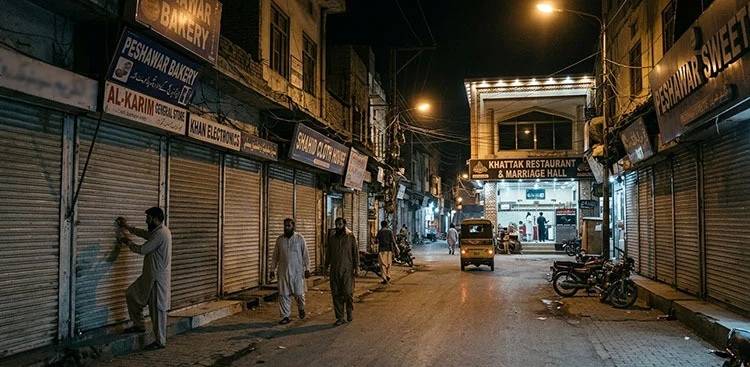

The Khyber Pakhtunkhwa government has announced a series of temporary energy-saving measures aimed at reducing electricity consumption and shielding the public from soaring power bills amid fuel shortages.
According to an official notification, the restrictions will come into effect from April 6, 2026, and will apply across the province with strict enforcement by district administrations.
Under the new policy, markets, restaurants and wedding halls will observe early closing hours. Business activities in divisional headquarters must end by 9:00 pm, while in other districts, closures will be enforced by 8:00 pm. Restaurants, cafes, and eateries will be allowed to operate until 10:00 pm, though only takeaway and home delivery services will continue beyond that time.
Marriage halls, marquees and event lawns have also been directed to conclude all functions by 10:00 pm, with no events permitted afterward.
However, essential services have been exempted from the restrictions. These include hospitals, laboratories, ambulances, medical stores (limited to medicine sales) and petrol pumps strictly for fuel dispensing. Additionally, tandoor operators, agriculture, construction and industrial units will continue operations under defined guidelines.
The government has imposed a blanket ban on unnecessary energy usage, including decorative lighting on buildings, plazas and floodlights. Billboards and digital screens are to remain switched off, while the use of air conditioners, lifts and escalators will be prohibited after closing hours.
Authorities have also barred commercial activities from continuing on generators, in a move to discourage circumvention of the restrictions.
Government offices have been instructed to limit electricity use after working hours, allowing lights and equipment only in cases of extreme necessity.
Deputy Commissioners across districts have been tasked with ensuring strict compliance, signaling a firm push by the provincial administration to manage the ongoing energy crisis.
Officials emphasized that the measures are temporary but necessary to ease pressure on the power system and reduce the financial burden on citizens already grappling with high electricity costs.