
Middle East war push Indian farmers deeper into economic crisis
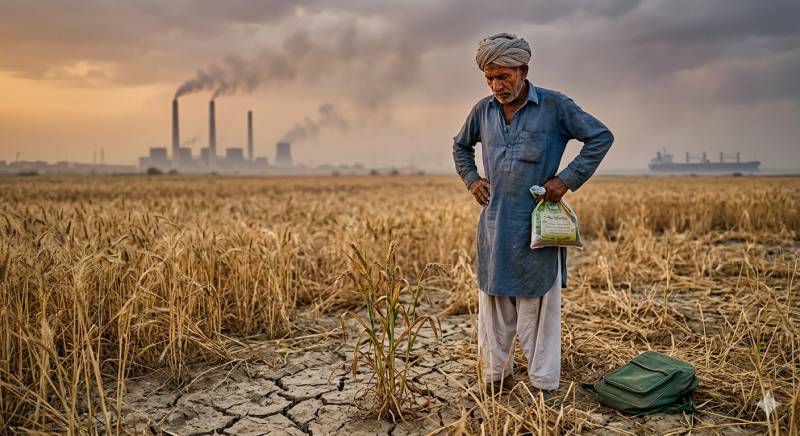

Escalating tensions in the Middle East and India’s support for Israel have pushed Indian farmers into a deepening economic crisis, with global instability compounding domestic policy challenges, according to a report published by The Guardian.
According to the 24NewsHD TV channel, the British publication highlighted that the ongoing conflict involving Iran has created widespread uncertainty among farmers in India, who are already grappling with rising input costs and supply disruptions.
Farmers across the country are facing acute shortages of fuel and fertilisers, critical for sustaining agricultural output.
The report noted that India consumes more than 60 million tonnes of fertiliser annually and relies heavily on imports of raw materials routed through the Strait of Hormuz, making it highly vulnerable to geopolitical disruptions.
Speaking to the publication, a farmer from Indian Punjab, Gurvinder Singh, said the conflict has already begun to impact agricultural prospects. He warned that rice production could be severely affected this season due to the uncertainty surrounding fertiliser availability.
Experts cited in the report said the emerging shortages of gas, petrol and fertiliser underscore structural weaknesses in India’s economic planning. They argued that the situation exposes gaps in the government’s claims of economic self-reliance under Prime Minister Narendra Modi.
The report further noted that Indian farmers were already protesting against government policies following trade agreements with the United States, and the latest fertiliser crisis has only intensified their economic difficulties.
Analysts warned that unless supply chains stabilise and policy responses improve, the ongoing Middle East conflict could have long-term consequences for India’s agricultural sector and overall economic stability.