
From Patang to Gudda: 18 kite shapes that made Basant a cultural wonder
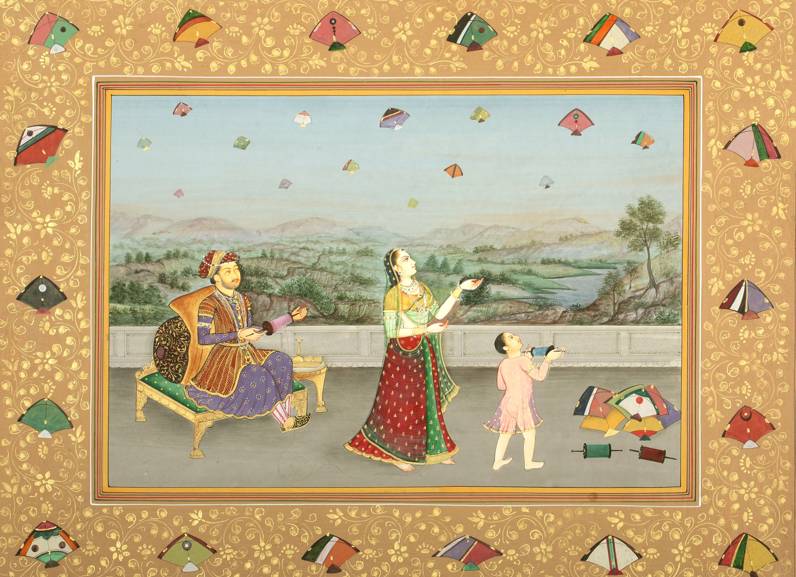

For hundreds of years, the sky of Lahore was never silent. It moved, danced, and fought. That sky was filled with kites.
Lahore is known around the world for its life, colour and culture. It is famous for food, music, poetry and history. But one of its strongest cultural signs was the Basant festival, a spring celebration where people welcomed the new season by flying kites. Basant was not just a festival. It was a feeling shared by the whole city.
Basant has been celebrated in this region for centuries. Long before modern buildings and busy roads, people in Lahore looked to the sky to mark the coming of spring. Spring meant hope, and kites became its symbol.
On Basant, people of all ages and all genders took part. Men, women, children, young people and elders all flew kites. Rich and poor stood side by side on rooftops. The sky belonged to everyone.
18 different types of kites
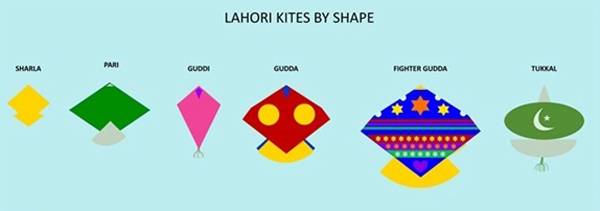
At least 18 different types of kites were traditionally flown in Lahore. Each had a name, a shape and a purpose.

Preparation was part of joy
Basant was never rushed. People prepared days and even weeks before the festival. Some families made their own kites at home. Others went to busy kite markets to buy their favourites.
Choosing a kite was serious work. People checked the weight and style of the kite, the strength of the paper, the bend of the bamboo sticks, and the thickness of the string. They also studied the wind. Lahore’s flyers knew that morning wind, afternoon wind and night wind were different.
That is why many people used colourful designed kites in the daytime, and white kites at night as every choice mattered.
String decides victory
Kites could not fly alone. They needed manjha, the special string used in kite flying.
Manjha was often coated with fine glass powder. This made it sharp. During Basant, kite flying was not only about flying high. It was also about cutting the opponent’s string.
This friendly battle in the sky was called Patangbaazi. Skill mattered more than strength.
Two main kite families of Lahore
All traditional Basant kites in Lahore belong to two main families, 1) Patang, a diamond-shaped fighter kites and 2) Gudda (and Pari), a square or star-shaped kites.
Each family has many types and styles.
Patang: Master of sky fight
The Patang is Lahore’s most famous kite. It is thin, light and fast. It is made from soft paper and bamboo sticks. Patangs were built for speed and control.
Their size was measured in two ways, 1) Tawa (number of paper sheets) and 2) Gitthi (hand-span size).

1. Classic Patang
This is the original butterfly-shaped Patang. It is balanced and sharp. It responds quickly to hand movement. For many expert flyers, this was the perfect kite.

2. Tukkal
The Tukkal is heavier than a normal Patang. Its shape looks like a lantern. Long ago, Tukkals were used to carry small lamps into the night sky. Because of its weight, the Tukkal needs strong wind and thick string.

3. Vaddi or Monster Tukkal
This is the giant of the Patang family. Some Monster Tukkals reach six to eight feet in height. They are powerful but very hard to control. Only experienced flyers used them.

4. Kup (Patang)
The Kup is longer and rounder than a normal Patang. It is heavy and strong. It does not move fast, but it pulls very hard. Kups are often used in serious kite fights.
5. Teerah or Salai Marka
This Patang has a thin vertical strip called a salai running through its centre. This strip makes the kite look beautiful and steady in the air. Salai Patangs are small, fast and dangerous in expert hands.
Gudda and Pari: Square shapes with strong skills
The second family includes Gudda and Pari kites. These are usually square or star-shaped and slightly heavier than Patangs.
13 shapes of Guddas

1-Gudda: A Strong Fighter
A Gudda is a powerful fighter kite. In local culture, it is called the “male” kite because it is strong and heavy. Gudda kites are usually about 40 inches wide and 34 inches long. They are made from rice paper and bamboo. They give strong control in windy conditions.
2-Pari: Light and Beautiful
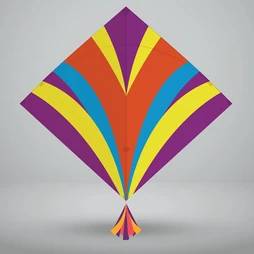
The Pari, also called the star kite, is light and graceful. It often has a small tail and colourful designs. Pari kites are easy for beginners but also deadly in skilled hands.
3-Lucknow Kaat
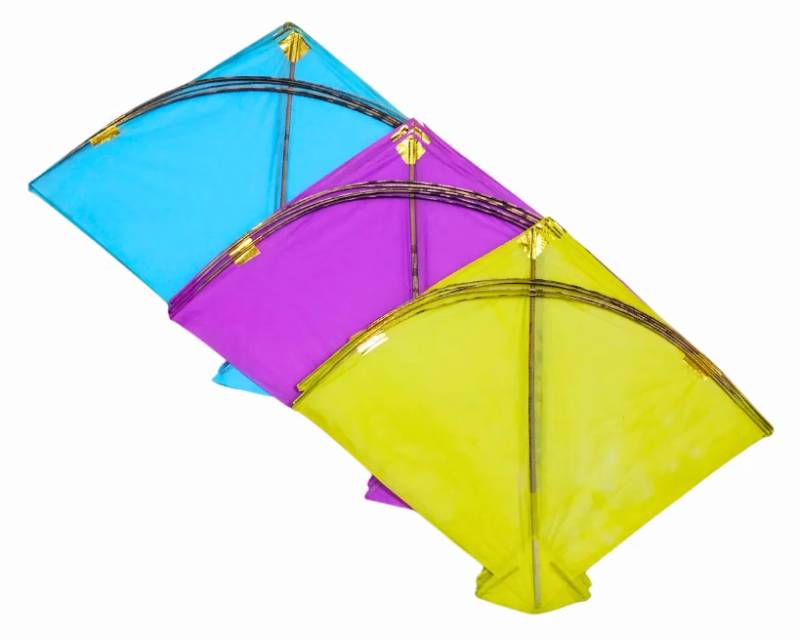
This style came from Lucknow, India. It is famous for sharp cutting ability. The word Kaat means cut. These kites are designed for quick moves like jhatka (sharp pull) and pech (twist).
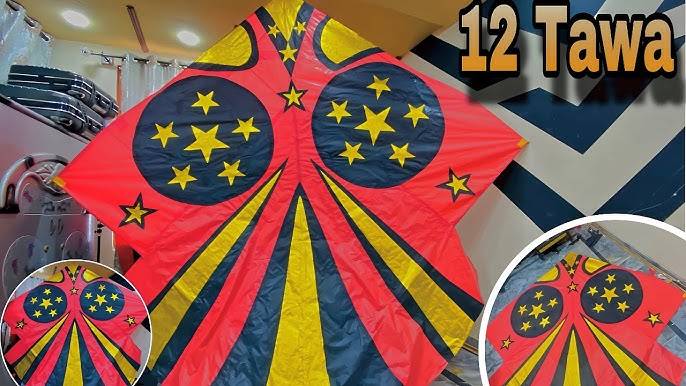
4-Cheel Patang (Eagle Kite)
Inspired by an eagle, this kite is fast and strong and closed shape of Lucknow Kaat. It performs well in strong winds and is famous for pulling power, called "khich maar".
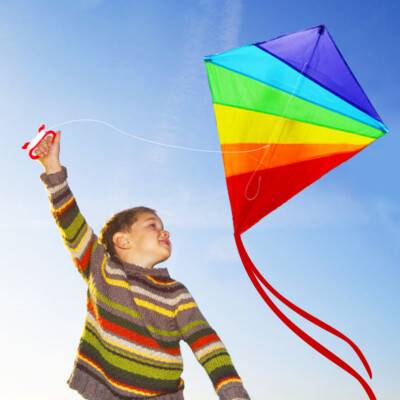
5-Leepo
Leepo kites are small and simple. Children love them because they are easy to fly and handle well in fast winds.
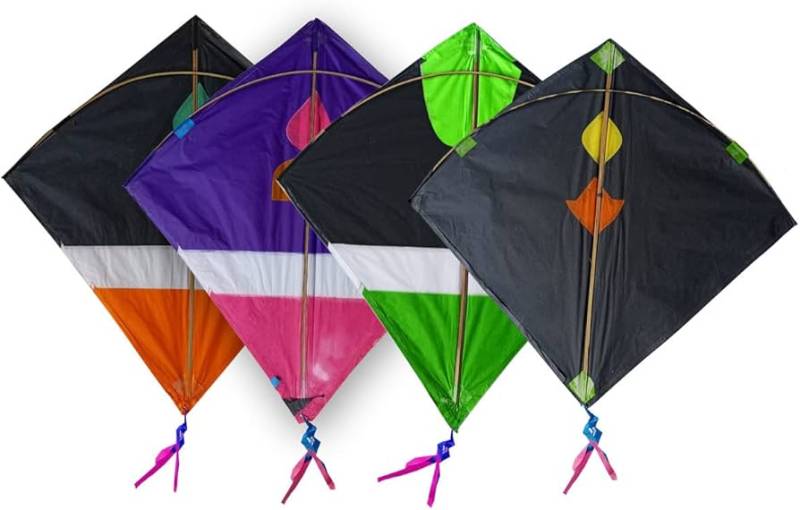
6-Machhar
Shaped like a mosquito, this kite has a long body and tail. It is fast and sharp, often used in serious kite fights.
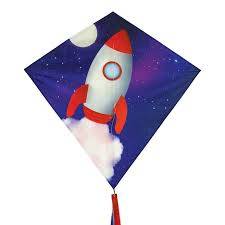
7-Rocket Gudda
These kites look like rockets and like Machhar-shaped kites. They are long and narrow and often need a tail to stay balanced. They are safe and fun for beginners.
8-Parphara
The Parphara is a big kite and makes a sound in the sky. As it flies, its paper shakes and creates a fluttering noise. It is easy to recognise.
9-Dabbidar
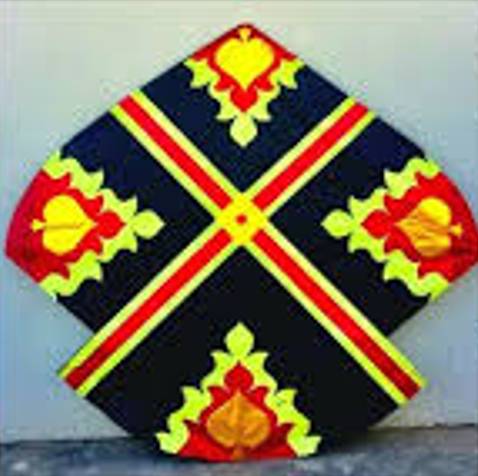
A Dabbidar kite has square box-like patterns on its body. These colourful designs make it easy to spot in the sky. It is handmade and popular in competitions.

10-Phad or Phaddar (Pappardan)
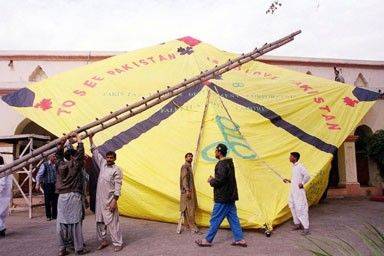
This is a very large and heavy kite used by professionals. It stays high in the sky for a long time and needs very strong string.
11-Dedh Kanni
This kite is wider than it is tall. It works well in low wind and offers strong control during close fights.

12-Sharla
Often homemade from plastic bags or newspaper, Sharla kites are strong and cheap. Children enjoy them, but expert flyers do not prefer them.

13-Doli (Box Kite)
The Doli is different from flat kites. It is a box-shaped kite with a three-dimensional structure. It is very stable and often used for learning and science projects.