
Balochistan introduces new law allowing 90-day detention without charge
Provincial Assembly grants investigators the powers to search premises, seize property, arrest suspects during inquiry: Detention centres to be established: SP or JIT to hold investigation: Boards comprising of two civilians, two military officers, psychiatrist, and criminologist to be constituted to ensure oversight: Detainee to be allowed to meet family:
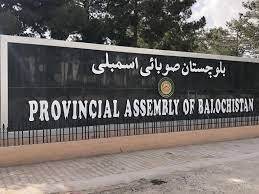

The Balochistan Assembly passed the Anti-Terrorism (Balochistan Amendment) Act, 2025, granting sweeping powers to law enforcement agencies to detain individuals for up to 90 days without formally charging them, drawing attention from legal and human rights observers.
According to the 24NewsHD TV channel, the bill, introduced by Balochistan Awami Party (BAP) lawmaker Mir Sadiq Sanjrani, permits preventive detention for inquiry purposes under suspicion of terrorism-related activities.
The law empowers designated authorities to issue detention orders for three months or longer, with oversight mechanisms kicking in if the period surpasses 90 days, in accordance with Article 10 of the Constitution of Pakistan.
According to the legislation, individuals accused of aiding or facilitating terrorist acts can also be detained without formal charges for 90 days, provided that credible complaints or actionable intelligence are available.
The investigative process will be carried out under the supervision of a Superintendent of Police (SP) or a Joint Investigation Team (JIT), depending on the law enforcement agency initiating the detention.
In cases where the armed forces or intelligence bodies issue the detention, the inquiry will be led by a JIT composed of officials from the respective agency.
Investigators have been granted full powers to search premises, seize property, and arrest suspects during the inquiry period.
The law further authorises the establishment of dedicated detention, rehabilitation, and deradicalisation centres for suspects detained under the anti-terror framework.
Detainees can be transferred to such centres through a formal written request by the investigating agency.
To ensure oversight, the provincial government will establish boards comprising two civilians, two military officers, a psychiatrist, and a criminologist.
These boards will be responsible for assessing the physical, mental, and ideological state of each detainee and making recommendations on their continued detention or transfer to a rehabilitation facility.
Detainees will be allowed to meet family members, and legal representation will be duly informed about their location and condition, according to the newly passed provisions.
Reporter: Essa Tarin