
Adidas and WhatsApp join forces for FIFA World Cup 2026 emoji and ball integration
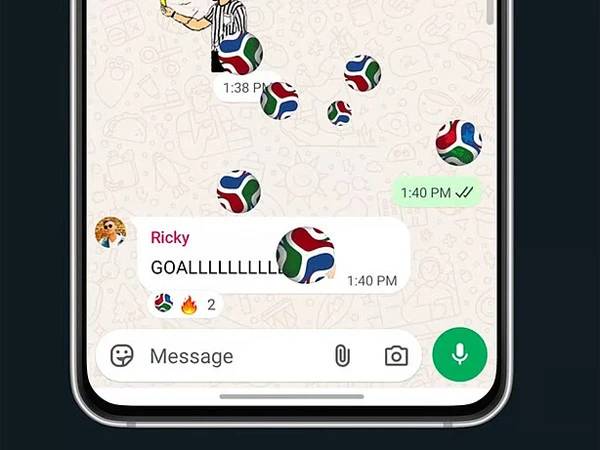

Sportswear giant Adidas and messaging platform WhatsApp have announced a surprising and innovative collaboration ahead of the FIFA World Cup 2026, introducing a digital feature that will transform how fans engage with football in everyday chats.
Under the new integration, the commonly used football emoji on WhatsApp will now dynamically change into the design of the official World Cup match ball, “Trionda,” making football conversations more interactive for users around the world.
The FIFA World Cup 2026 will be played across the United States, Canada and Mexico, marking the first time the tournament will be hosted jointly by three countries.
With this update, whenever users send a football emoji in WhatsApp chats, it will no longer appear as a static icon but will automatically convert into the stylized Trionda ball design, reflecting the branding of the upcoming tournament.
The initiative is designed to bring the World Cup closer to everyday digital communication, especially targeting modern football fans who actively follow matches through group chats, live reactions and social media discussions.
Industry observers say the move is a subtle but effective way to integrate the tournament into daily conversations, making the World Cup experience more immersive and socially interactive for global audiences.
Meaning behind “Trionda”
The official match ball of the FIFA World Cup 2026 has been named “Trionda” to reflect the unique tri-nation hosting arrangement.
The term combines “Tri,” representing the three host countries — the United States, Canada and Mexico — and “Onda,” a word from Spanish and Portuguese meaning “wave.”
The ball’s design features flowing wave-like patterns symbolizing cultural connection, football passion and the shared sporting spirit across the three host nations.
The collaboration between Adidas and WhatsApp highlights the growing fusion of sport, technology and digital communication as brands look to engage younger audiences during major global events.