
Popular blood pressure method may miss heart disease risk, new study warns
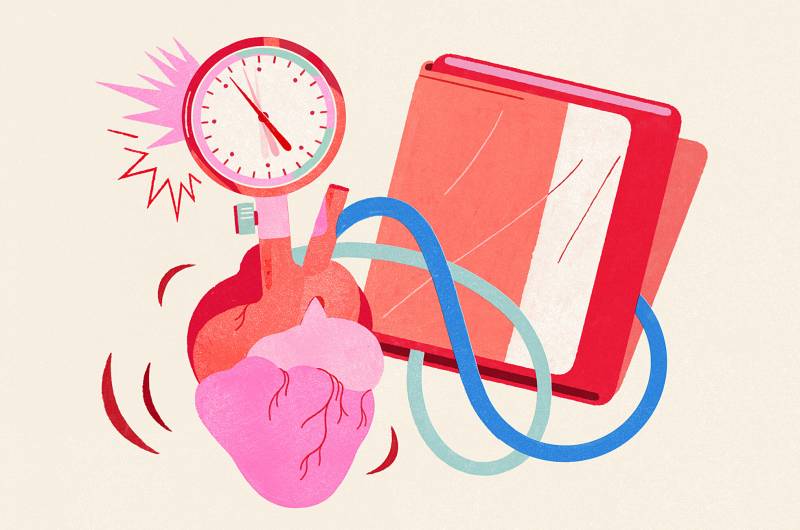

The traditional arm cuff used worldwide to measure blood pressure may be falling short—literally—when it comes to spotting heart disease risk, especially in people with mid-range readings, according to a new study published in the Journal of the American College of Cardiology.
Researchers reviewed over 2,500 cases dating back to the 1950s and found that the cuff method, though quick and convenient, may miss crucial red flags in people whose blood pressure falls between 120–160 systolic and 80–100 diastolic—a range where most adults live. For this group, accuracy dropped to as low as 50%, potentially leading to misdiagnosis or delayed treatment.
In contrast, a more precise—though invasive—method involving a catheter inserted directly into an artery delivered much more accurate readings, especially of pressure in the aorta, the body’s central artery that pumps blood straight from the heart to the brain and other vital organs. This central pressure is a more accurate predictor of cardiovascular risk than arm readings.
The standard cuff method still performed well for patients on the extremes—those with either very low or very high readings. In those cases, it aligned with the invasive method about 80% of the time. But the study’s bombshell finding is that for the average person, there’s a high chance their blood pressure reading could be misleading.
“The consequences are huge,” the researchers emphasized. “You might be told you’re fine when you’re not—or start a treatment you don’t need.”
Still, the study doesn’t suggest tossing the cuff just yet. It remains a valuable tool for tracking trends over time, and treatment for high blood pressure remains highly effective at preventing strokes, heart attacks, and other deadly conditions. However, experts now stress the urgent need for better, more accurate diagnostic tools, especially for the vast swath of people caught in the gray area of "borderline" blood pressure.
With hypertension already a leading cause of death worldwide, the study underscores a simple truth: when it comes to heart health, precision matters.