
Study finds ultra-processed foods raise heart disease and stroke risk by 47%
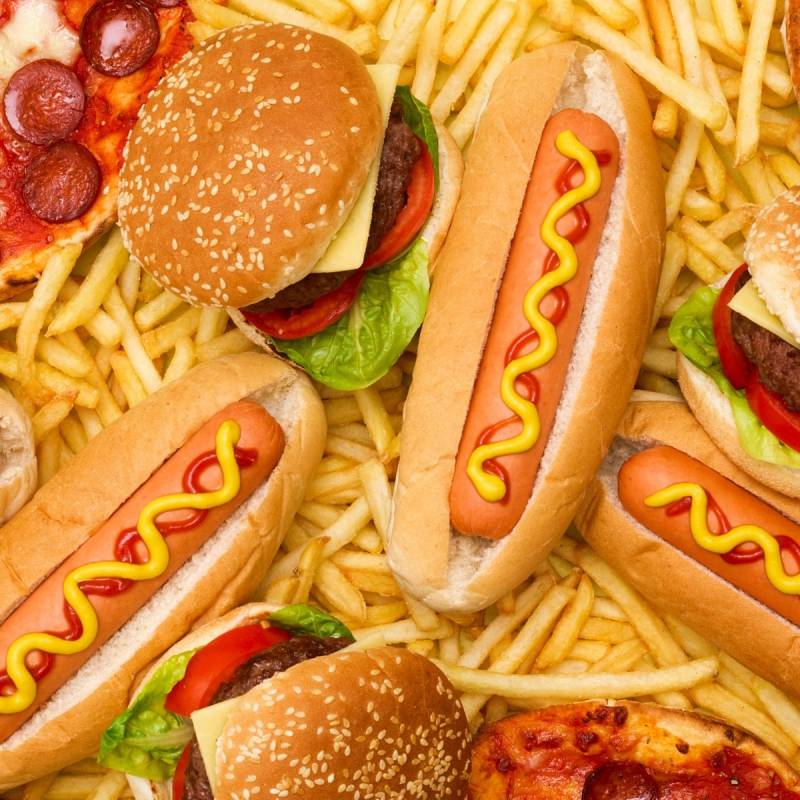

A new study has found a strong link between the consumption of ultra-processed foods (UPFs) and an increased risk of cardiovascular diseases, including heart attacks and strokes, 24NewsHD TV reported on Friday.
Cardiovascular diseases, which encompass conditions such as heart attacks, irregular heart rhythms, and damage to various parts of the heart, remain the leading cause of death globally.
While heart-related issues were traditionally associated with middle age and older adults, recent years have seen a surprising rise in cases among younger populations.
Researchers from Florida Atlantic University examined 4,787 participants over the period from 2021 to 2023 to assess their daily consumption of ultra-processed foods.
These foods, which include fast foods, cakes, pastries, sweetened drinks, breakfast cereals, instant noodles, and processed meats like chicken and fish nuggets, are highly refined and contain excessive salt, sugar, and artificial additives, while being low in beneficial nutrients such as fiber.
Participants provided detailed dietary information through questionnaires, allowing researchers to estimate the proportion of calories derived from ultra-processed foods.
The study found that high consumption of such foods increased the risk of heart disease, including heart attacks and strokes, by up to 47 percent.
The study also highlighted a potential link between ultra-processed food intake and rising cases of intestinal cancer in young adults.
The researchers emphasized the need to raise public awareness about the health risks of ultra-processed foods and suggested implementing preventive measures similar to those used for tobacco consumption.
While the authors noted that further research and clinical trials are needed to confirm these findings, they stressed that reducing the intake of ultra-processed foods can significantly benefit overall health.
The study’s results were published in The American Journal of Medicine, adding to growing evidence that diet plays a critical role in cardiovascular and gastrointestinal health.