
How to enjoy meat on Eid-ul-Azha — without making it a health hazard
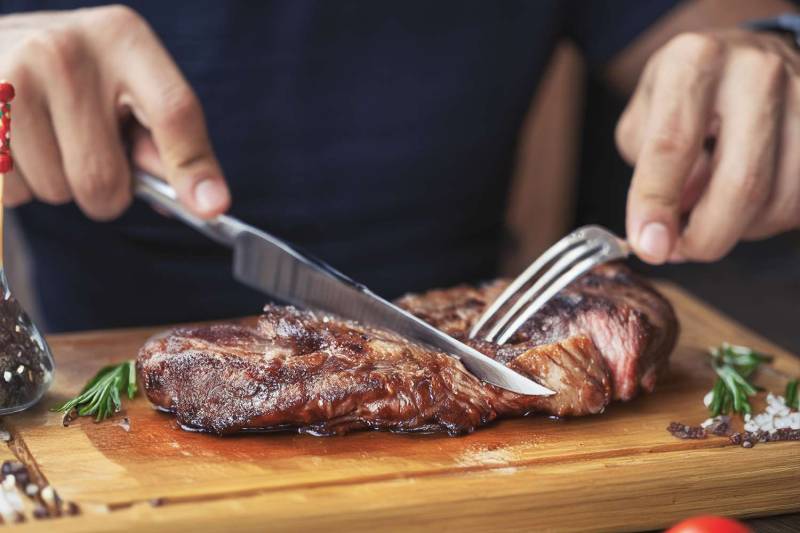

Eid-ul-Azha, also known as the Festival of Sacrifice, is a cherished occasion marked by spiritual devotion, community sharing, and generous servings of meat. While it's a time to celebrate and enjoy the blessings of Qurbani, it's also when overconsumption of red meat becomes common, often leading to indigestion, cholesterol spikes, and other health concerns.
But here's the good news: You can absolutely enjoy meat this Eid without turning it into a health hazard. All it takes is mindful preparation, balanced eating, and a few smart lifestyle choices.
Here’s how:
1. Control Portions — Celebrate, Don’t Overload
On Eid, it’s easy to go overboard with multiple servings of meat dishes throughout the day — from breakfast kebabs to dinner karahi. However, large quantities of red meat are hard to digest and can lead to bloating, acidity, and even heartburn.
What to do:
• Limit yourself to 1-2 servings of meat per meal (about the size of your palm).
• Pair meat with fibre-rich vegetables, whole grains, or yoghurt-based raita for better digestion.
2. Choose Healthier Cooking Methods
Deep-fried liver, oil-drenched karahi, and buttery chops may taste great, but they're loaded with unhealthy fats and calories.
Healthier alternatives:
• Grill or bake instead of deep-frying. Grilled seekh kebabs or tandoori-style chops are flavorful without the extra oil.
• Use olive oil or canola oil in moderation rather than saturated fats like ghee or banaspati.
• Boiled or lightly sautéed liver with spices can be just as tasty — and much easier on the stomach.
3. Add Veggies to the Plate
Many Eid menus revolve solely around meat, neglecting the essential balance of fruits, vegetables, and whole grains.
Why this matters:
Vegetables not only provide essential nutrients but also aid in digestion and cholesterol management.
Tip:
• Add sautéed vegetables, salads, or lentils to your meals.
• Try mutton pulao with carrots and peas or a side of cucumber-tomato salad.
4. Stay Hydrated and Move Around
Heavy meat consumption can make you feel lethargic and dehydrated.
What you can do:
• Drink plenty of water — aim for 8–10 glasses a day to flush out toxins and support digestion.
• Avoid sugary sodas and instead opt for lemon water, mint water, or lassi.
• Take short walks after meals to help your body digest better and avoid post-meal sluggishness.
5. Eat Organ Meats in Moderation
Delicacies like liver, kidneys, brain (maghaz), and trotters (paya) are traditional favourites but are high in cholesterol and uric acid.
Advice:
• If you have heart issues, high cholesterol, or uric acid problems (e.g., gout), limit intake of organ meats to one small portion per week.
• Always ensure organ meats are thoroughly cleaned and cooked to avoid foodborne illness.
6. Listen to Your Body
Your body tells you when it’s full or uncomfortable, but during Eid, we often ignore those signs in the spirit of celebration.
How to stay mindful:
• Eat slowly and chew properly.
• If you're full, don’t force yourself to eat just to please the host.
• Take breaks between meals and avoid back-to-back feasting.
7. Share the Blessings
Eid-ul-Azha isn’t just about eating — it's about sharing. Distribute meat generously to the underprivileged, neighbours, and family. Not only does this fulfil a religious obligation, but it also helps reduce waste and overindulgence.
Eid is meant to be joyous, not an invitation to stomach discomfort or a doctor’s visit. By practising moderation, cooking smarter, and making thoughtful food choices, you can enjoy your favourite mutton karahi, BBQ ribs, and paya without compromising your health.
Let this Eid-ul-Azha be a celebration of faith, flavour, and fitness — where the meat is enjoyed, not feared.
Eid Mubarak — and happy, healthy feasting!