
Deregulation leads 62 medicines prices up to 100%: DRAP chief tells Senate body

A survey by the Drug Regulatory Authority of Pakistan (DRAP) has revealed that after the government removed official controls on the prices of non-essential medicines in 2024, the prices of 55 percent of medicines increased while 42% of medicines became cheaper and prices of only 2% of medicines remained unchanged.
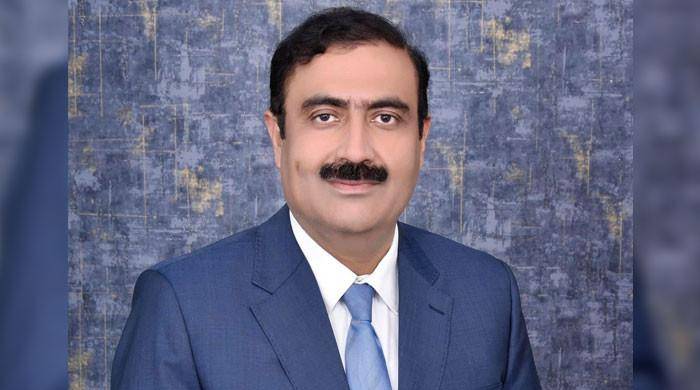
Chief Executive Officer, Drug Regulatory Authority of Pakistan (DRAP), Dr. Obaidullah, told Senate Standing Committee on Health meeting today that the survey examined 771 medicines and brands, representing the top 500 non-essential medicines sold in Pakistan. He said according to the survey, 424 medicines were being sold at higher prices than before and the prices of 329 medicines were reduced. There were only 18 medicines whose prices did not change. According to DRAP data, out of the 424 medicines whose prices increased, the prices of 31 medicines increased by more than 100 percent.
Similarly, the prices of 62 medicines increased by 50 to 100 percent, while the prices of 331 medicines increased by up to 50 percent. According to DRAP, the prices of some medicines increased significantly. Coldrex tablets used for cold, cough and flu, which were previously sold for Rs 27.60 per pack of 100 tablets, are now being sold for Rs 475. The price of this medicine has increased by more than 1600 percent.
Similarly, the price of calcium and vitamin D tablets increased from Rs 330 to around Rs 1327. The price of allergy medicine “Eval Injection” also increased from Rs 432 to Rs 1500. The prices of medicines like Brifen Cream, Labrox, Polyfax Eye Ointment, Lexobron Syrup and Stimatal were also reported to increase by 180 to 240 percent.
CEO Drap told the committee that this survey was conducted to see what the actual market prices of medicines are after the end of price controls and whether this decision has improved the availability of medicines or not. He said that currently 659 pharmaceutical companies and 394 importers are operating in Pakistan, while the annual market for medicines in the country has exceeded Rs 1,000 billion.
The government deregulated the prices of non-essential medicines in 2024. The government argued that due to strict government control, many medicines were disappearing from the market and their manufacture had become unprofitable for companies.
DRAP officials said that all 771 medicines were available in the market at the time of the survey, which shows that the availability of medicines improved after deregulation, however, the increase in prices has also created new difficulties for patients.
Health Minister Mustafa Kamal, while addressing the committee meeting, said that the prices of medicines were deregulated during the caretaker government. According to the law, DRAP can only regulate the prices of essential life-saving medicines. The Ministry of Health has no role in the decrease or increase in the prices of medicines. He has never even had a cup of tea from any pharmaceutical company.
Reporter: Baber Shahbaz Turk