
Gogol’s legacy celebrated on 217th birth anniversary at Russian Centre
Scholars link Gogol’s style to modern Urdu literature and societal critique: Event emphasizes relevance of Gogol’s works in understanding oppression and governance
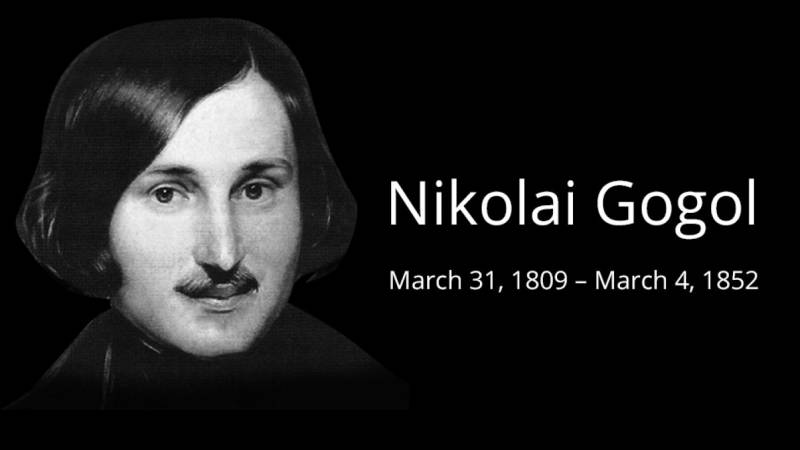
Nikolai Gogol, the world-renowned fiction writer, was remembered for his unique contribution to literature and his skilful critique of societal and political flaws at an event marking his 217th birth anniversary, organised by the Russian Centre for Science, Education, and Culture.
Scholars and literary figures said Gogol’s work remains a guide on how to write about rulers and governance even in today’s world, 24NewsHD TV channel reported on Wednesday.

Dr Amjad Tufail, keynote speaker, noted that Gogol’s writings reflected Ukrainian culture, civilisation, and folk traditions, with stories rooted in rural life. He highlighted that Russian literary giants such as Dostoevsky and Tolstoy praised Gogol’s style and that prominent Urdu writer Ghulam Abbas drew inspiration from his work. Dr Tufail emphasised that the lessons from Gogol today are about analysing those in power.
Chief Guest Prof. Dr Nadeem Bhatti drew parallels between Gogol’s Tsarist Russia and contemporary Pakistan, saying millions of Pakistanis are deprived of basic human rights. He questioned whether Pakistan’s ranking of 164th in human rights, 168th on the Human Development Index, and 26 million out-of-school children signify that its people are “dead souls", echoing the title of Gogol’s famed work.
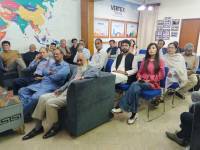
Prof. Dr Ashraf Nizami described Gogol as an internationally significant figure whose truthful depiction of society profoundly influenced Russian literature, while Dr Iftikhar Bukhari pointed out that most literary giants achieved success in their 30s and 40s, yet Gogol, who lived only 42 years, left a global impact. Dr Shouzeb Ali highlighted Gogol’s life and achievements, stressing the relevance of his writings today.
Dr Shahid Hasan, host of the event and Chairman of the Russian Centre for Science, Education, and Culture, said the commemoration was part of the Centre’s tradition of honouring world-renowned literary figures and that this tradition would continue.