
From Heritage to Hospitality: Tourism in Punjab on the Rise
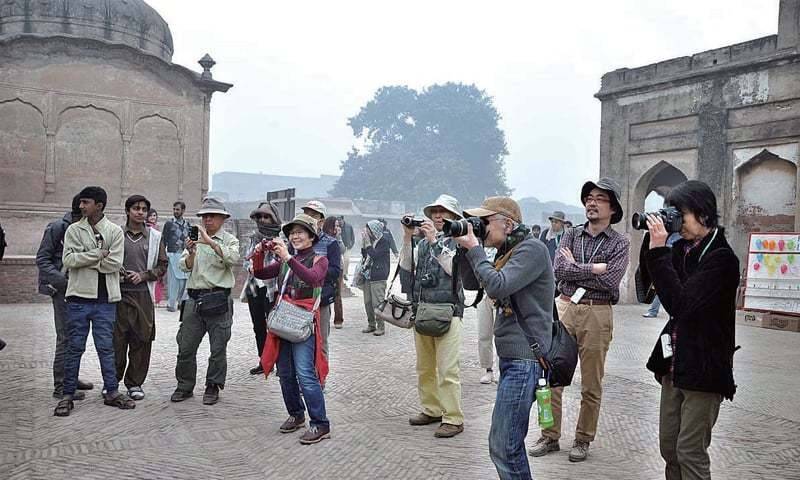

The ancient city of Taxila, once a beacon of the Gandhara civilization, is poised for a renaissance as Punjab’s government embarks on a massive restoration and tourism development program. With a dedicated budget of Rs60 billion, Taxila has been officially declared an International Heritage City, alongside Harappa and Bhera, under new provincial heritage protection laws on the instructions of Chief Minister Punjab. Officials say this designation marks the beginning of a new era for Punjab’s cultural tourism sector.
Taxila, renowned for its ancient university, the Dharmarajika Stupa, and a network of monasteries, has long been considered one of South Asia’s most significant archaeological treasures. However, decades of neglect left many of its historical sites in need of urgent care. The new initiative aims to restore key landmarks, enhance the Taxila Museum, develop open-air exhibits, and create a Gandhara Art Village. Improved access routes, cultural trails, and tourist facilities are also part of the plan, designed to attract both domestic and international visitors.
The government’s broader tourism vision extends beyond preservation. Infrastructure projects such as the 123-kilometre Tourism Expressway, linking Rawalpindi to Muzaffarabad via Murree, are expected to improve connectivity and stimulate the hospitality industry. Authorities are also introducing a digital tourism app that will provide virtual access to more than 160 historical sites across Punjab, including Taxila, offering visitors a preview before they set foot on the ground.
Partnerships between heritage organizations and environmental groups are shaping the development into a sustainable tourism model. The Gandhara Resource Centre and the Climate Hub Forum recently signed an agreement to promote eco-friendly practices, climate education, and community engagement in Taxila. Initiatives such as tree planting, artisan workshops, and climate-friendly infrastructure are being incorporated into the restoration strategy.
Experts, however, caution that the success of these projects will depend on ensuring basic infrastructure, including lodging, dining, transport facilities, and safety measures, before promoting Taxila on the global stage. “Taxila’s potential is undeniable, but it needs the right infrastructure to handle the influx of visitors while preserving its cultural essence,” said Syed Zaheer Hussain Shah, head of the Gandhara Art Village project.
If the plan succeeds, Taxila could become more than an archaeological showcase. It could emerge as a vibrant destination where history and hospitality meet, benefiting local communities, creating jobs, and positioning Punjab as a leading cultural tourism hub in the region. With Pakistan targeting 10 million international tourists by the end of 2025, the revival of Taxila may well serve as a flagship example of how heritage can drive economic growth. Yet, experts warn that unchecked growth could lead to overtourism, risking the very heritage and environment that make Taxila unique.