
Pakistan swelters under intense heatwave as temperatures exceed seasonal norms
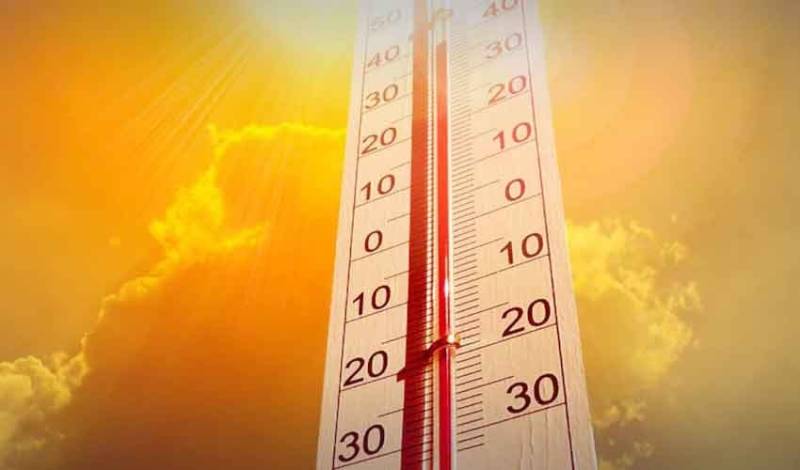

Large parts of Pakistan remain gripped by a severe heatwave, with temperatures soaring well above average levels and prompting emergency alerts from the Provincial Disaster Management Authority (PDMA) and the Meteorological Department.
A PDMA spokesperson reported that the heatwave currently affecting Punjab is expected to continue until June 12, with temperatures forecasted to stay 4 to 7°C above normal.
On Monday, Sargodha emerged as the hottest city in Punjab, recording a scorching 47°C. Other major cities, including Lahore, Multan, and Faisalabad, also faced extreme conditions with highs around 45°C. In Balochistan, the city of Sibi matched these temperatures, also reaching 45°C.
Officials have warned that the heatwave is expected to hit hardest in Bahawalpur, Rahim Yar Khan, Dera Ghazi Khan, and Multan.
Nationwide Heatwave Impact
The Meteorological Department reports that most parts of the country—including Islamabad, Sindh (central and upper regions), Balochistan, and the plains of Khyber Pakhtunkhwa—are facing exceptionally high temperatures. Islamabad recorded a high of 43°C, which is 4°C above the seasonal average.
Other high temperatures recorded on Monday include:
- Faisalabad and Dera Ismail Khan: 44.5°C
- Larkana: 44°C
- Peshawar, Multan, and Bahawalpur: 43°C
- Muzaffarabad: 40°C
- Quetta and Gilgit: 35°C
- Karachi: 34°C
Emergency Response Measures
PDMA Punjab Director General Irfan Ali Kathia confirmed that heatwave response counters have been set up in all hospitals. Clean drinking water is being made available in the Cholistan region, and, following directives from Punjab Chief Minister Maryam Nawaz, all concerned departments are on high alert to deal with heat-related emergencies.
Public Urged to Take Precautions
The Meteorological Department has advised the public—especially children, the elderly, and women—to avoid unnecessary sun exposure and stay well-hydrated to prevent heatstroke.
“Staying indoors during peak heat hours and drinking plenty of water are essential precautions,” said a department spokesperson.