
Law minister briefs NA panel on criminal procedure reforms, proposes 55 amendments
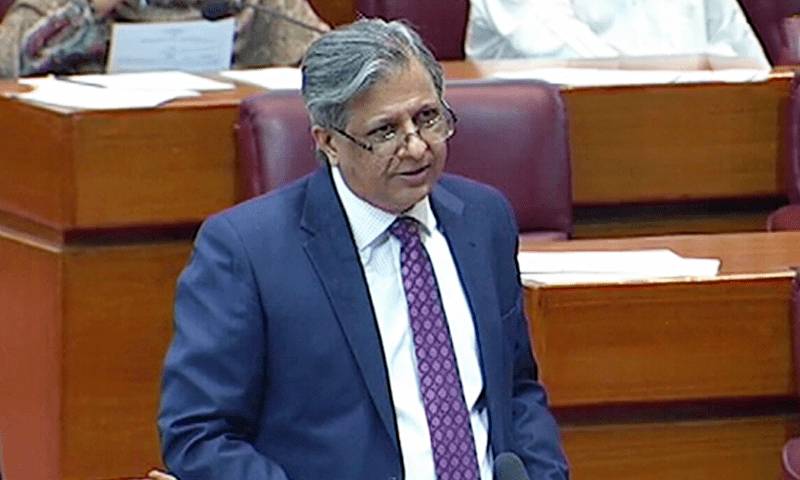

Federal Law Minister Azam Nazeer Tarar on Tuesday told the National Assembly Standing Committee on Interior that the government had proposed around 55 amendments to modernise Pakistan's criminal justice system and improve conviction rates.
Briefing the committee, chaired by Raja Khurram Nawaz, on the Criminal Procedure Amendment Bill 2025, Tarar said the country's criminal justice framework was still largely based on laws inherited from the British era.
"The Code of Criminal Procedure has become law, and it has now been 80 years since the creation of Pakistan," he said, adding that while many old laws remained relevant, certain provisions needed to be updated to reflect changing realities.
Tarar said criminal laws in many countries were reviewed periodically, often every 10 years, to incorporate technological and procedural developments. He noted that modern evidence and communication tools such as video recordings, CCTV footage, SMS messages and WhatsApp communications had become common, but existing laws did not adequately address their evidentiary use.
"WhatsApp messages are often presented in court cases, but due to the absence of proper legal protection and procedures, they are of limited value," he said.
The minister also pointed to the introduction of online FIR registration, saying the legal framework now needed to address how such reports would be processed and transmitted through the criminal justice system.
Tarar said major legal reforms were previously introduced in 1972 and 1991, but no comprehensive review had taken place since then. The proposed amendments, he said, were non-political and aimed at strengthening the justice system.
"The objective is to ensure that offenders do not escape accountability and that complainants receive effective redress," he said.
The law minister argued that the existing legal framework provided numerous protections for accused persons while offering limited support to complainants. He said weaknesses in investigations and legal procedures had contributed to Pakistan's low conviction rate, which he estimated at between 10 and 15 percent.
"There are capacity issues within the police, and investigations are often so weak that judges have little option but to acquit the accused," he said.
Tarar noted that when the Code of Criminal Procedure was originally enacted, there was no prosecution service. However, dedicated prosecution departments had been functioning in all provinces since 2001 and 2002.
He said prosecutors were now well-trained professionals but had no defined role in the existing CrPC framework, a gap the proposed amendments sought to address.
The minister informed lawmakers that the reform package had been prepared after 16 to 17 working sessions with leading criminal lawyers and legal experts from across the country. Suggestions from bar associations, bar councils and judicial officers had also been incorporated into the proposed legislation.
Tarar urged members of the standing committee to devote additional time during and after the budget session to review the proposed amendments in detail so that the reforms could be considered comprehensively.