
Lawmakers raise concerns over treatment of Pakistani parliamentarians at foreign airports
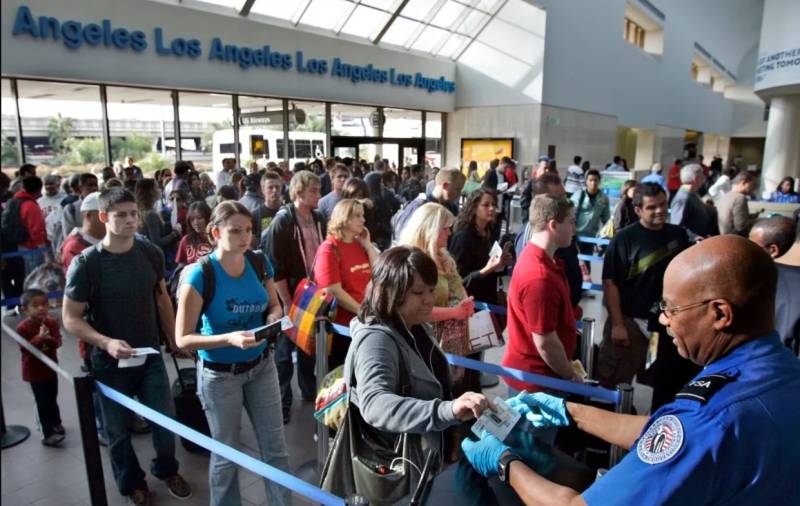

Members of the National Assembly Standing Committee on Interior on Tuesday raised concerns over the treatment of Pakistani parliamentarians at foreign airports, calling for the issue to be taken up through official diplomatic channels.
During a meeting of the committee chaired by Raja Khurram Nawaz, MNA Qadir Patel recounted his experience of being subjected to additional questioning at a foreign airport because of his travel history to Iraq.
Patel said airport authorities questioned him about holding an Iraqi visa and asked why he had travelled to Iraq three times. He said he informed officials that the visits had been made in an official capacity.
"The authorities allowed me to proceed only after consulting a third officer," Patel told the committee.
He also referred to a similar experience involving former Sindh minister Sohail Anwar Siyal, who, according to Patel, was subjected to secondary screening at a foreign airport.
Patel said issues faced by Pakistani lawmakers abroad should be addressed at an official level. He stressed that regardless of their religious affiliation, parliamentarians represented Pakistan and should be treated accordingly.
"Whether a parliamentarian is Sunni, Alavi, Deobandi or Shia, he is first and foremost a parliamentarian of Pakistan," he said, adding that any international arrangements or understandings should apply equally to all Pakistani lawmakers rather than any specific group.
During the meeting, Federal Law Minister Azam Nazeer Tarar also discussed proposed changes related to government fee structures.
Tarar questioned the need for repeated legislative amendments to revise fees every year and suggested introducing a legal mechanism to set annual limits.
He proposed amending the law to authorise the federal cabinet to revise and renew fee schedules when required, rather than seeking fresh legislation on each occasion.
"This practice exists around the world and across the country. Legislation is not repeatedly enacted merely to revise renewal fees," Tarar told the committee.
The remarks came during the committee's broader deliberations on legal and administrative matters related to immigration, passports and regulatory reforms.