
Ultra-processed foods linked to higher risk of disease and death, global study finds
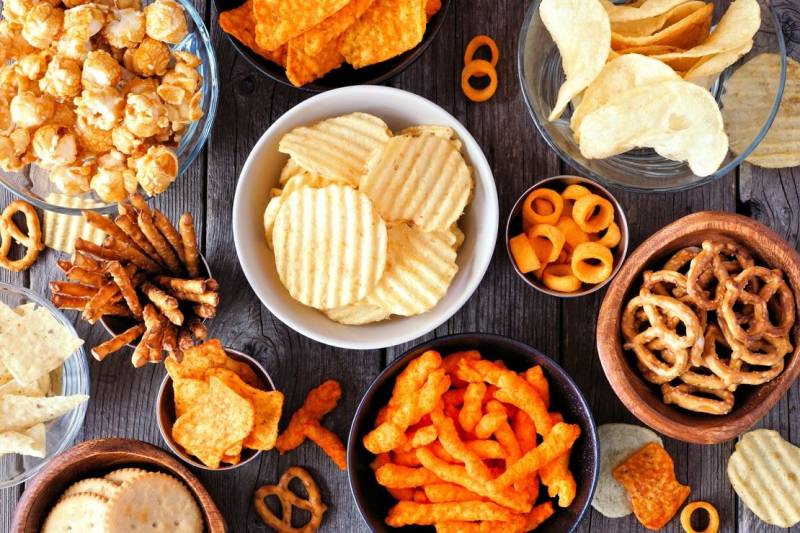

New research unveiled at the ACC Asia 2025 Scientific Meeting reveals a troubling link between the consumption of ultra-processed foods—think soda, chips, packaged cookies, and fast snacks—and a wide range of serious health issues, including hypertension, cancer, heart disease, digestive disorders, and early death.
The comprehensive review, led by Dr. Xiao Liu of Sun Yat-sen Memorial Hospital in China, analyzed 41 long-term cohort studies from across Asia, Europe, the Americas, and Oceania, involving over 8.2 million adults. The findings were clear: every 100 grams of ultra-processed food eaten daily was associated with:
• 14.5% higher risk of hypertension
• 5.9% increase in cardiovascular events
• 1.2% rise in cancer risk
• 19.5% surge in digestive diseases
• 2.6% increase in all-cause mortality
Risks of obesity, diabetes, metabolic syndrome, and even depression and anxiety also trended upward.
“These foods are industrially manufactured, stripped of nutrition, and loaded with sugar, salt, unhealthy fats, and additives,” said Dr. Liu. “They disrupt gut health, fuel inflammation, and impair metabolic function. Over time, they wreak havoc on the body.”
The studies defined ultra-processed foods using the NOVA classification, which includes items like commercial breads, candy, soft drinks, and ready-to-eat meals—basically, anything with a long shelf life and a longer list of ingredients you can't pronounce.
While researchers acknowledged limitations in food definitions and regional dietary variations, they emphasized a clear dose-response relationship: the more ultra-processed food consumed, the worse the health outcomes.
The team recommends reducing intake and pivoting to whole foods—preferably within balanced dietary models like the Mediterranean or DASH diet—and called for stronger regulations around food labeling and additives. They also urged clinicians to counsel patients on recognizing and cutting down these high-risk foods in favor of simpler, minimally processed alternatives.
In short, ultra-processed convenience might be costing more than we realize—not just in calories, but in years of life.