
More details of delayed payments in drama industry emerge
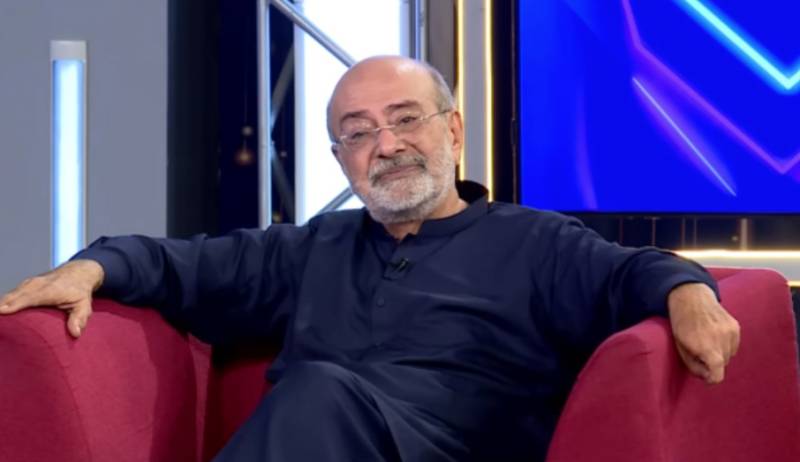

A report has again shed light on the grave financial struggles faced by those working in Pakistan’s drama industry, despite its international acclaim and rising popularity.
The story, shared on BBC Urdu’s official Instagram account, has reignited debate over delayed payments and the alleged delaying tactics employed by producers and television channels.
In the video, prominent figures from the entertainment sector – including directors, senior actors, and actresses – openly voiced their frustrations about not receiving timely compensation for their work.
The clip, reported by journalist Buraq Shabbir with filming and editing by Muhammad Nabeel, quickly gained traction among fans and industry insiders, highlighting the growing dissatisfaction within the creative community.
According to the BBC report, while Pakistani dramas continue to dominate ratings and enjoy immense popularity abroad, the artists and crew behind these productions face deep financial insecurity.
Actors revealed that they often wait months, sometimes even longer, before receiving full payment. Many alleged that production houses deliberately delay payments or break them into unannounced instalments, creating severe difficulties for those who depend on their earnings for daily living.
A senior actor and writer Syed Mohammed Ahmed described the situation as ‘frustrating and disheartening’, pointing out that despite putting in weeks of work, there is no guarantee of timely payment.
He said that the production houses have made actors into labourers. They impose getting scenes done like it is imposed on labourers to transport heavy bricks.
A director said that there is a blame game going on in the drama industry. The production houses blame it on the channels for not paying and the channels blame it on the advertisers for delaying the payments.
Saheefa Jabbar said that when an actor signs a project, there are three to four cheques that he gets throughout the project. He is to be paid one upon signing, but it is just in the books, as nobody gets paid the first cheque.
Muhammad said that six to seven months pass without the artist getting paid. After that, the artist has to plead and even reveal the financial situation of his household to get paid what he has worked hard for.
Hajra said that the clauses of the contract are never in the artist’s favor. Explaining a clause, she said that it demands the artist to bear the cost if the shoot is cancelled for a day because of the actor. But if cancelled by the production house, that is a legit reason.
Actresses echoed similar concerns, stressing that the stress of financial uncertainty adds to the already demanding nature of their profession, where they endure long working hours and emotionally taxing roles.
Director also admitted that the impact of delayed payments extends beyond actors, trickling down to entire production teams.
Makeup artists, technicians, and crew members, often the most vulnerable, are left struggling when their payments are withheld.
“The drama industry is growing, but behind the glamour lies a cycle of struggles,” the director said, urging greater accountability from both production houses and television channels.
The report underscores a glaring contradiction: while Pakistan’s drama industry is a source of national pride and cultural export, those who sustain it often suffer silently under exploitative practices. Calls are now growing louder for stronger contracts, better regulation, and mechanisms that ensure timely and fair compensation.