
Sindh minister alleges province denied fair water share despite improved river flows

Sindh Irrigation Minister Jam Khan Shoro on Thursday said the province was facing a severe water shortage despite improved inflows in the Indus River system, alleging that available water was not being distributed according to Sindh's share.
Addressing a press conference, Shoro said Sindh was currently facing a 41 percent water shortage, which was severely affecting farmers and standing crops across the province.
He said Sindh should be receiving 99,000 cusecs of water under its allocated quota but was currently getting only 57,000 cusecs.
"In contrast, Punjab's share is 110,000 cusecs and it is being supplied 97,000 cusecs," Shoro said.
The minister said Sindh's representative in the Indus River System Authority (IRSA) had strongly protested the water distribution arrangement, arguing that the province's agricultural sector was bearing the brunt of the shortage.
He said crops in Sindh were sown earlier than in Punjab, which he claimed was running one to one-and-a-half months behind in cultivation activities.
"Despite this, Sindh's crops are suffering the most due to the shortage," he said.
Shoro compared current water availability with last year's figures and argued that the present shortage could not be justified by river inflows.
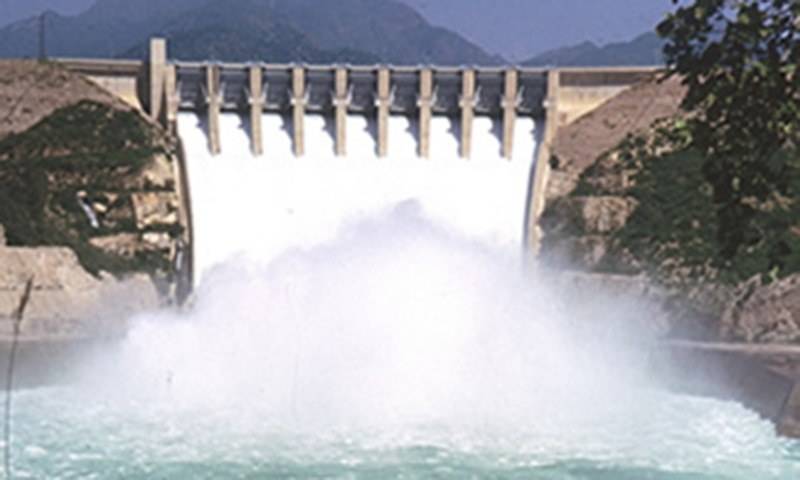
He said that on June 8, 2025, the Indus River was carrying around 71,000 cusecs of water, while inflows from Tarbela Dam stood at approximately 78,000 cusecs. In comparison, he said, inflows from Tarbela had risen to 110,000 cusecs on June 8, 2026.
Similarly, he said inflows from Mangla Dam had increased from around 30,000 cusecs last year to 35,000 cusecs this year.
"The water situation in the dams is better than last year," he said.
According to the minister, Sindh is currently receiving only 29,000 cusecs of released water while additional water is being stored in reservoirs, including Mangla Dam.
"There is a 41 percent shortage in Sindh, yet water is being used to fill dams," he said.
Shoro said Sindh had received around 135,000 cusecs of water during a period of lower overall availability last year, while this year the province was receiving significantly less water despite improved inflows.
"Today there is more water in the system, yet Sindh is being supplied only around 75,000 cusecs," he said.
The minister warned that continued shortages could have serious economic consequences, noting that Sindh's agricultural sector made a substantial contribution to the national economy.
He said the labour and output of Sindh's farmers accounted for a significant portion of the country's economic activity, adding that agriculture contributed heavily to Pakistan's gross domestic product.
Shoro urged water authorities to ensure a fair distribution of available water and provide Sindh its due share to protect crops and farmers from further losses.