
UK to tighten skilled worker visa rules as Labour government unveils sweeping immigration reforms
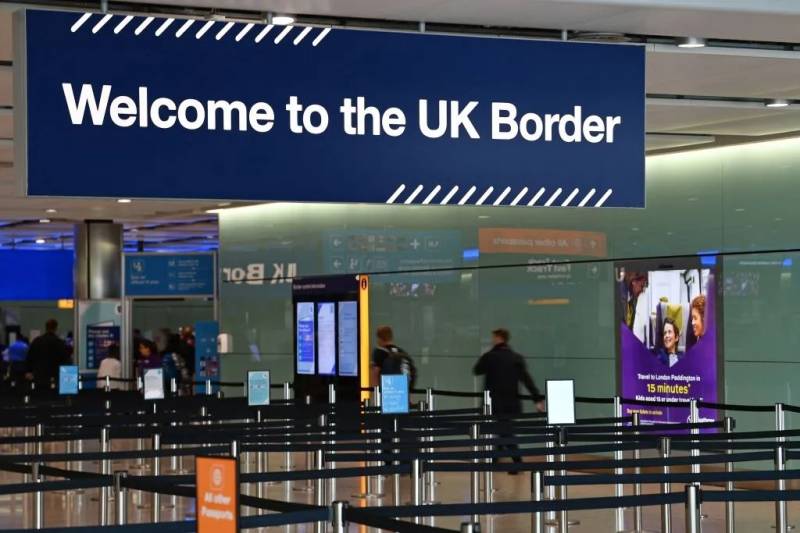

The British government under Prime Minister Keir Starmer is preparing to announce sweeping immigration reforms, including stricter skilled worker visa rules, as part of a broader strategy to curb rising migration levels and address mounting public and political pressure.
According to Bloomberg, the Labour administration’s forthcoming Immigration White Paper will outline tighter requirements for skilled worker applicants and clamp down on lower-skilled migration routes. The reforms are aimed at reducing dependency on foreign labour and aligning immigration policy more closely with the UK’s domestic skills agenda.
Home Secretary Yvette Cooper described the changes as “a fundamental shift” in immigration policy. Speaking to the BBC, she said the measures could result in “up to 50,000 fewer lower skilled visas over the course of the next year.”
Key changes include raising graduate-level requirements for skilled visa applicants and compelling employers to demonstrate genuine labour shortages and investment in domestic workforce training. The care sector, in particular, will see tougher rules on international recruitment. While existing care visas can still be renewed, Cooper cautioned, “employers shouldn’t be recruiting from abroad.”
The Labour-led reforms come in response to record-high migration figures. Net migration peaked at 906,000 in the year ending June 2023, with dependents entering the UK increasing by 360% between 2021 and 2023. Skilled worker visas have more than tripled since the system’s post-Brexit introduction in 2020.
In addition to visa changes, the Home Office is set to expand its deportation powers, allowing earlier removal of foreign nationals convicted of crimes — including those with non-custodial sentences — especially for recent arrivals.
Despite Labour’s overhaul, the Conservative opposition argues the reforms are insufficient. Shadow Home Secretary Chris Philp has called for a legally binding cap on migration and the repeal of the Human Rights Act in immigration-related cases. Cooper, however, dismissed the idea of numerical targets, pointing out the repeated failures of similar Conservative pledges in the past.
As part of further tightening, the government is reportedly considering new restrictions on student visa applications from countries such as Pakistan, Nigeria, and Sri Lanka, amid claims of increased asylum applications by students from these nations.
The reforms reflect the growing political urgency to reduce net migration, which stood at 728,000 for the year ending June 2024, as Labour seeks to balance economic needs with voter sentiment ahead of future elections.