
Aurangzeb warns 4-time high oil cargo rates may force closure of fertilizer plants
Finance minister flags $100m cost for $25m oil cargo in Senate's finance committee meeting: Says monitoring global oil markets daily amid rising insurance costs: Pakistan in contact with Saudi Arabia, UAE, Qatar to manage situation: Saudi Arabia extends its support: State Bank briefs new regulations under FATF compliance requirements: Senate committee forms panel to review banking rules against political figures
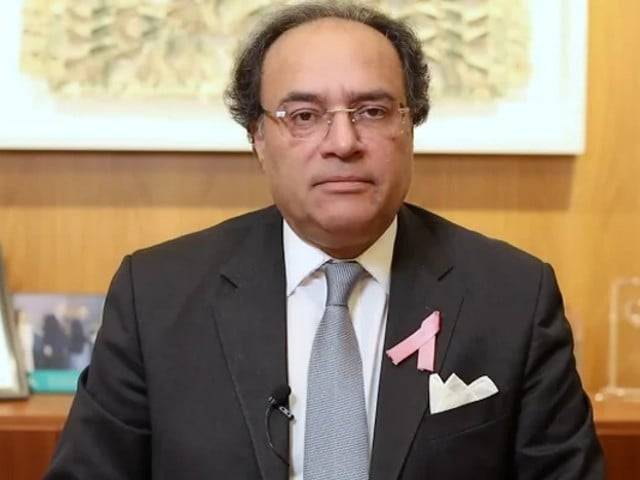

Pakistan’s Finance Minister Muhammad Aurangzeb has warned that surging insurance costs on petroleum imports could significantly increase the country’s energy bill fourfold and may even force the closure of some fertiliser plants.
He made the remarks while briefing a meeting of the Senate Standing Committee on Finance chaired by Saleem Mandviwalla, the 24NewsHD TV channel reported on Thursday.
The meeting reviewed the government’s energy conservation measures and also discussed new banking regulations concerning politically exposed persons introduced by the State Bank of Pakistan (SBP).
During the briefing, Aurangzeb said a special committee had been formed on the directions of Prime Minister Shehbaz Sharif to oversee an energy conservation campaign.
He told the committee that authorities were reviewing the global demand and supply of oil and monitoring international prices on a daily basis.
The finance minister said insurance costs for petroleum imports had risen sharply due to the regional war situation. He explained that a cargo worth $25 million was now costing nearly $100 million once insurance and related expenses were added.
“If we import such cargo, how will we bear the cost?” he asked, warning that extremely expensive energy could compel the government to shut down some fertiliser plants.
Aurangzeb said Pakistan was in constant contact with countries including Saudi Arabia, the United Arab Emirates and Qatar to manage the situation, adding that Saudi Arabia had been extending support during difficult times.
He further informed the committee that some provinces had expressed concern that if petroleum prices were increased further, it might become difficult to control public reaction. Referring to regional developments, he noted that countries such as Bangladesh and Sri Lanka had already faced similar circumstances.
The meeting also discussed new regulations introduced by the State Bank regarding politically exposed persons (PEPs). Senator Farooq H. Naek said the central bank had prepared new rules requiring banks to share tax-related information of important political figures and senior public office holders.
He noted that the regulations extended the definition of politically exposed persons to include their family members, relatives and close associates. Naek argued that under these rules, close associates might face restrictions in conducting business, which could discourage investment in the country.
He maintained that conducting business was the right of every individual and questioned why records should be demanded if there were no suspicious transactions. According to him, the new stringent conditions could negatively affect business activity and investment.
Senator Abdul Qadir also suggested that the banking culture needed reform.
Responding to concerns, a deputy governor of the State Bank told the committee that the regulations had been amended in line with the requirements of the Financial Action Task Force. He warned that failure to comply with FATF conditions could push Pakistan back onto the watchdog’s grey list.
Senator Mandviwalla said the regulations should be reviewed, arguing that the definition of close associates had been expanded too broadly.
The committee later decided to form a special panel to examine the matter of bank accounts held by politically exposed persons and senior public office holders.
Reporter: Waqas Azeem