
Sindh cabinet approves Rs3,451bn budget for 2025-26
Salaries increased by 10%, pensions 7%: Minimum wage set at Rs37,000: Rs326bn health allocation marks 8% budget rise: Rs156bn set for primary education: Rs42bn earmarked for universities: Karachi to receive Rs110bn for six mega projects
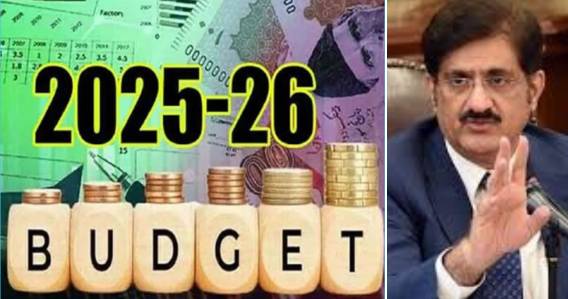

The Sindh Cabinet, under the leadership of Chief Minister Syed Murad Ali Shah, has approved a budget of Rs 3,451.87 billion for the fiscal year 2025–26.
According to the 24NewsHD TV channel, the approval came during a pre-budget cabinet meeting chaired by Chief Minister Murad Ali Shah on Friday afternoon.
According to the Chief Minister’s spokesperson, the cabinet thoroughly reviewed the budget proposals for the new fiscal year during the meeting.
Chief Minister Murad Ali Shah stated that the budget was compiled by incorporating suggestions collected from across the province on the instructions of Pakistan People's Party (PPP) Chairman Bilawal Bhutto Zardari.
He reaffirmed that the Pakistan Peoples Party has always prioritised the public and national interest. “This budget has been drafted keeping public priorities at the forefront,” he said.
The cabinet session included key figures such as the Chief Secretary, provincial ministers, advisers, special assistants, and other concerned officials.
A special session of the Sindh Assembly has been scheduled for today at 3 PM to formally present the budget.
Salaries, pensions and minimum wage:
The Sindh Cabinet approved a 10% ad-hoc increase in salaries for government employees from Grade 1 to 22 and a 7% hike in pensions. Additionally, the minimum monthly wage across the province has been set at Rs 37,000.
Rs411bn for 16 departments:
Sindh has allocated a total of Rs411 billion for 16 different departments in the proposed budget.
As per the proposed budget, Rs 25.8 billion has been allocated for the Works and Services Department, Rs 7.5 billion for the Finance Department, Rs 54 billion for the Transport and Mass Transit Department, Rs 33.9 billion for the Irrigation Department, Rs 3.9 billion for the Agriculture Supply and Price Department.
Rs1.2 billion for the Energy Department, Rs260.7 billion for the Health Department, Rs 54.5 billion for the Local Government Department, Rs 14.7 billion for the Planning and Development Department, Rs 2.6 billion for the Investment Department, Rs 105.7 billion for the SGSE & CD Department, Rs 8.5 billion for the Livestock and Fakhri Department and Rs 12.2 billion for the Soshik Protection Department has been proposed.
Education sector budget:
In a major boost to the education sector, the cabinet approved a Rs523.73 billion allocation for education in the upcoming fiscal year. The breakdown includes: Rs156.20 billion for primary education, Rs42.70 billion for middle/elementary education, Rs77.20 billion for secondary education, Rs39.53 billion for college education, Rs500 million for college building repairs, Rs500 million for scholarships to students studying in foreign universities, Rs2 billion for the Sindh Endowment Fund, Rs1.40 billion to improve Cadet Colleges, and Rs18.50 billion for the financial stabilization of primary schools.
To enhance the province’s higher education infrastructure, Rs500 million have been allocated for the construction and renovation of college buildings, while another Rs 500 million have been earmarked for scholarships for students at universities.
In total, Rs42 billion have been proposed to support 31 public universities and nine autonomous institutions across Sindh. Additionally, Rs800 million will be distributed among press clubs, bar associations, and journalistic organisations.
Health sector:
The health sector witnessed an 8% increase in funding, reaching a total allocation of Rs326 billion. This includes Rs26 billion for the People’s Primary Healthcare Initiative (PPHI) and Rs10 billion for the Gambat Medical Institute.
The Sindh Institute of Urology and Transplantation (SIUT) has been allocated Rs19 billion, while the Shaheed Benazir Bhutto Trauma Centre in Karachi will receive Rs 4 billion.
Larkana Civil Hospital is set to benefit from a Rs10 billion allocation, and Indus Hospital Karachi has been granted Rs 8 billion.
To improve emergency healthcare services, the Sindh Emergency Health Service has been allocated Rs 5 billion, which includes the purchase of 508 new ambulances.
Transport sector:
The transport sector also received significant attention, with funding allocated for 1,000 new buses to operate across the province. Karachi alone will receive 500 new buses, according to the budget documents.
The Sindh budget 2025-26 has made important proposals for the transport sector, which have been passed by the cabinet, according to which 100 new 12-meter EV buses will be operated in Karachi under the rent-to-own model, while 34 new 9-meter EV buses will also be plying on the roads of Karachi soon.
In addition, five double-decker buses will also be activated in Karachi. The routes for pink buses have been increased from three to five in Karachi, where 28 pink buses are operating. A fleet of 1,000 electronic buses will also be brought to Sindh province.
Mega six Karachi projects:
The Sindh government has focused heavily on Karachi in its 2025–26 budget, proposing Rs10 billion for six transformative projects aimed at improving urban infrastructure, mass transit, and sanitation.
According to official sources, foreign project assistance will fund the majority of these projects, contributing approximately Rs97.6 billion, while the Sindh government will provide Rs 13 billion as its share.
The largest allocation, Rs27 billion, has been earmarked for the Yellow Line BRT project, a major public transport initiative expected to ease commuter congestion.
In a bid to enhance urban sanitation, Rs8.8 billion have been allocated for upgrading Karachi’s Water and Sewerage Services, with an additional Rs18.8 billion reserved for Phase II of this improvement initiative.
The CLICK (Competitive and Livable City of Karachi) project, managed under the local government department, has also received a significant boost.
A total of Rs18 billion is designated for general operations, while Rs3 billion will support CLICK’s capital investment component.
To address the city’s mounting garbage issues, the Solid Waste Emergency Project has been allotted Rs 9 billion.
Finally, the ambitious Karachi Redesign Project, aimed at reimagining and restructuring urban layout and planning, has been allocated Rs26 billion.
Condemnation of Israeli attack on Iran:
During the meeting, the Sindh Cabinet also strongly condemned the Israeli attack on Iran, terming it a clear violation of international law, human rights, and global peace norms. Cabinet members expressed solidarity with Iran and called on the international community to act against such aggression.
Reporters: Aajiz Jamali, Ashraf Khan, and Azad Nehrio