
The Abdur Rehman Khetran Controversy: A Test for Balochistan’s Accountability and Counterterrorism Resolve
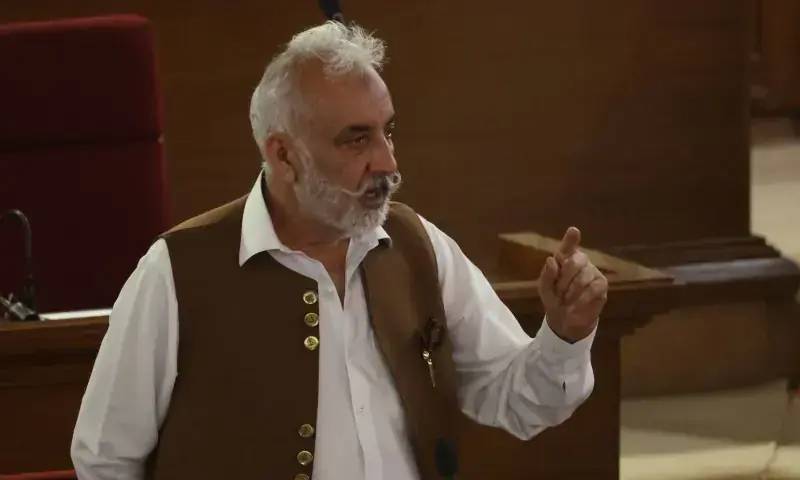
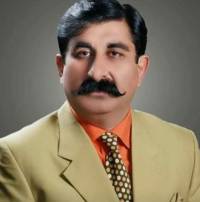
Balochistan has long remained at the centre of Pakistan’s most complex governance and security challenges. The province’s vast geography, political sensitivities, underdeveloped areas and persistent militant threats have made the role of elected representatives and public office holders more critical than anywhere else in the country. In such an environment, allegations against former minister involving corruption, links with militant groups and serious criminal cases raise questions not only about an individual’s conduct but also about the effectiveness of institutions responsible for accountability and rule of law.
The recent removal of former provincial minister Abdur Rehman Khetran from the Balochistan cabinet of Chief Minister Sarfaraz Bugti has once again brought these issues into the national spotlight. According to allegations and reports surrounding the matter, Khetran was removed from the provincial cabinet after serious accusations emerged regarding the misuse of development funds and alleged financial facilitation of terrorist organizations, the Balochistan Liberation Army (BLA) and Balochistan Liberation Front (BLF). These allegations, if proven through a transparent legal process, would represent an extremely serious breach of public trust because the alleged misuse of state resources for activities against the state strikes at the very foundation of governance and national security.
The fight against terrorism requires not only military and intelligence operations but also strong political accountability. No country can successfully defeat terrorist networks if individuals accused of providing financial support or logistical assistance to such groups are allowed to exploit political positions. Terrorist organizations depend heavily on money, communication networks, local influence and safe environments. Therefore, any allegation of financial support from a public office holder requires a thorough and impartial investigation.
The controversy surrounding Abdur Rehman Khetran is not limited to allegations related to terrorism. He has also faced serious accusations in the Garanaz Murri Baloch triple murder case, a matter that attracted significant public attention and drew concern from international human rights organizations. The case relates to the killing of three individuals, including two girls and one boy who had been associated with Khetran’s residence in Barkhan. The incident created widespread outrage and intensified demands for justice and accountability.
In this case, Abdur Rehman Khetran is currently on bail, while his nephew Abdul Ghafoor remains in jail in connection with the same triple murder allegations. Abdul Ghafoor had remained at Khetran’s residence under house arrest for approximately one and a half years before the Balochistan High Court ordered that he be transferred to jail. Meanwhile, Khetran’s two sons, Qasim Shah and Salam Shah, are absconding in relation to the same case. These developments have created serious concerns among observers regarding the pace of legal proceedings and the ability of institutions to ensure that justice is delivered without political influence.
The involvement of international human rights organizations in taking notice of the Garanaz murder case highlights the importance of ensuring a credible investigation. In cases involving powerful political figures, public confidence depends on transparency, evidence-based prosecution and equal treatment before the law. Justice cannot be selective; it must be visible and accessible to every citizen, regardless of social status, political influence or tribal background.
Another allegation linked to Khetran concerns is drug trafficking. A large quantity of ice drugs was seized in Khajoori area of Musakhel while being transported from Quetta towards Barkhan. Drug trafficking is among the most damaging crimes facing societies because it destroys young generations, fuels organized crime and strengthens illegal networks. If individuals holding public office are found involved in such activities, the consequences must be severe because public representatives carry an additional responsibility to protect society.
The broader concern emerging from these allegations is the alleged practice of maintaining connections with both state institutions and anti-state elements. Khetran has been accused of pursuing a “double game” by maintaining political influence while allegedly facilitating terrorist groups. Such allegations require a comprehensive investigation by relevant security and law enforcement institutions. If evidence confirms any involvement in financing terrorist organizations, the matter should be dealt under Pakistan’s anti-terrorism laws.
However, in a democratic society, accusations alone cannot replace judicial determination. The principle of due process remains fundamental. Every accused person has the right to defend himself in a court of law, and punishment must follow established legal procedures. At the same time, political influence should never become a shield against accountability. The credibility of Pakistan’s justice system depends on ensuring that powerful individuals face the same legal standards as ordinary citizens.
For Balochistan, this case carries significance beyond one individual. The province has suffered immensely from terrorism, poverty, weak governance and mistrust between citizens and institutions. Thousands of security personnel and civilians have sacrificed their lives in the fight against terrorism. Any perception that political figures can misuse authority or escape accountability would weaken public confidence and undermine counterterrorism efforts.
The provincial government’s decision to remove Khetran from the cabinet sends a message that allegations involving public officials cannot be ignored. However, removal from office should only be the beginning of a wider accountability process. If investigations establish involvement in terrorism financing, corruption, murder or drug trafficking, legal action must follow without delay. Similarly, if allegations are disproven, the accused should receive justice and his reputation should be restored.
The people of Balochistan deserve leadership that prioritizes development, peace and public welfare rather than controversy and allegations of criminal conduct. Development funds are meant to improve education, healthcare, infrastructure and employment opportunities for the common people , not to serve personal interests or strengthen illegal networks. Misuse of public resources directly harms ordinary citizens who already face significant challenges.
The Abdur Rehman Khetran controversy represents a major test for Pakistan’s institutions. The real issue is not only the fate of one politician but the larger question of whether the rule of law can prevail over political influence. Balochistan requires a new culture of accountability where elected representatives are judged by their service to the people and their commitment to the constitution.
A transparent investigation, fair trial and strict enforcement of law are essential. If anyone is proven guilty of supporting terrorist organizations, corruption, serious crimes or activities against national security, the law must take its course. If found guilty and sentenced Abdur Rehman Khetran should be disqualified from PP 4 Khetran and fresh election should be announced. Only through impartial accountability can public trust be restored and Balochistan move towards lasting peace, stability and development.